THE ADVENTURE COLLECTIVE® · Independent discovery and booking for outdoor travel

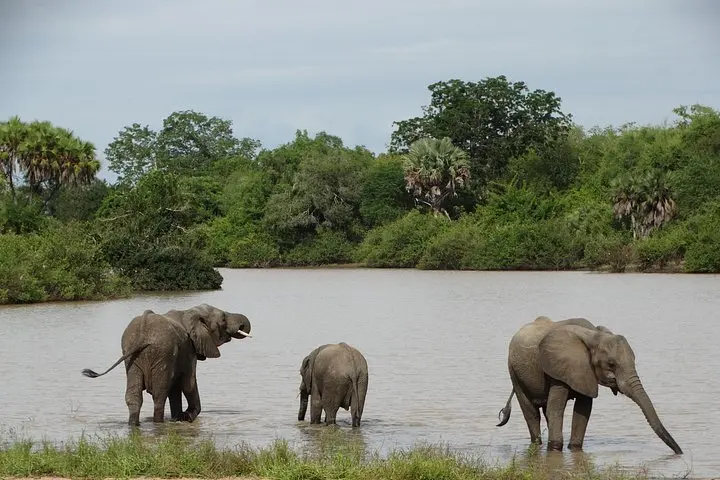
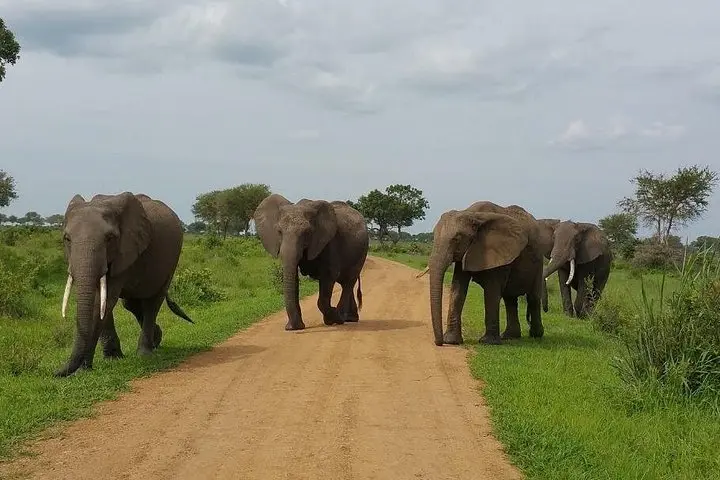
A five‑day camping loop that pairs riverboat safaris on the Rufiji with walking and unlimited game drives through Nyerere (Selous) and Mikumi. Expect close hippos, roaming elephants, and nights in unfenced camps under open skies.
A five‑day camping loop that pairs riverboat safaris on the Rufiji with walking and unlimited game drives through Nyerere (Selous) and Mikumi. Expect close hippos, roaming elephants, and nights in unfenced camps under open skies.
A low, humid dawn lifts off the Rufiji River as your 4x4 crunches toward an open campsite. Hippos shift like submerged boulders and the boat’s bow parts a ribbon of waterbirds; the river dares you to slow down and watch.
Verified experiences and guided adventures in the surrounding area.
Operated by African Pangolin Safaris · Dar es Salaam, Dar es Salaam Region
A low, humid dawn lifts off the Rufiji River as your 4x4 crunches toward an open campsite. Hippos shift like submerged boulders and the boat’s bow parts a ribbon of waterbirds; the river dares you to slow down and watch.
This five‑day loop covers the southern circuit of Tanzania—Nyerere (formerly Selous) Game Reserve and Mikumi National Park—places shaped by riverine floodplains and savanna mosaic. The Rufiji carved channels and oxbow lakes here, feeding grasslands where elephants and wildebeest follow seasonal flows. Mikumi spills onto the southern edge of the Rift’s foothills, its short-grass plains punctuated by termite mounds and the shadow of the Uluguru escarpment.
Culturally, the route threads small farming villages and market towns where Swahili coastal trade met inland Maasai and Hehe herding routes. The parks’ history includes colonial hunting concessions turned protected habitat; today they are critical corridors for wide‑ranging species like wild dog and elephant.
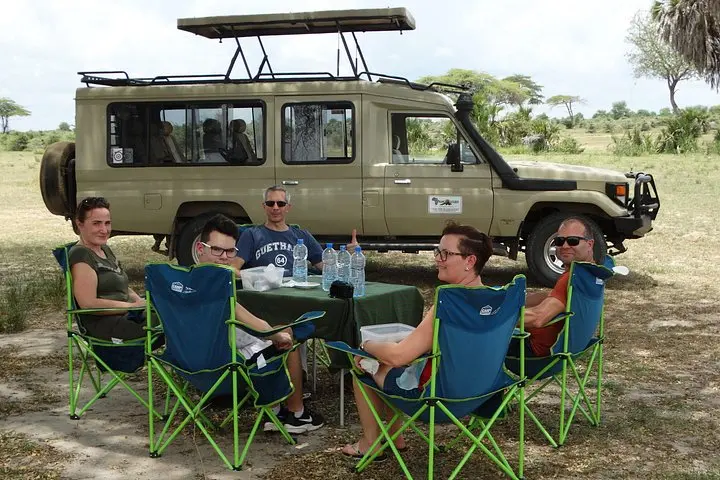
Practically, expect a mix of open‑roof game drives, an early‑morning armed walking safari, and a boat cruise on the Rufiji. Nights are camping—often unfenced—so sound and scent of wildlife are part of the experience. Roads are long and often rough; prepare for full transfer days and early starts.
Bring layered clothing for cool mornings, sun protection, and a small daypack for walks. Hydration, insect repellent, and respect for ranger briefings keep the trip safe. With basic fitness and an appetite for raw, close encounters, this circuit delivers classic East African wildlife and riverine drama.
Yes—travelers need a valid passport and any required Tanzanian visa; confirm entry rules well in advance.
Children are allowed but must be accompanied by adults; some walking activities may not be suitable for very young kids.
This is a camping safari with nights at designated campsites (inside reserve where noted), meals as per itinerary, and communal facilities.
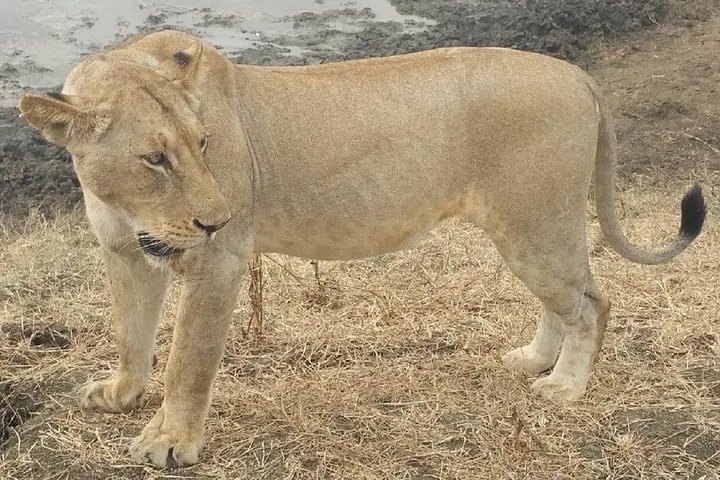
Selous and Mikumi have elephants, lions and buffalo; sightings depend on season and luck—leopards and rhino are rare in these sections.
African Pangolin Safaris operates guided outdoor trips and adventures with an emphasis on safety, stewardship, and memorable experiences.
A low, humid dawn lifts off the Rufiji River as your 4x4 crunches toward an open campsite. Hippos shift like submerged boulders and the boat’s bow parts a ribbon of waterbirds; the river dares you to slow down and watch.
A low, humid dawn lifts off the Rufiji River as your 4x4 crunches toward an open campsite. Hippos shift like submerged boulders and the boat’s bow parts a ribbon of waterbirds; the river dares you to slow down and watch.
This five‑day loop covers the southern circuit of Tanzania—Nyerere (formerly Selous) Game Reserve and Mikumi National Park—places shaped by riverine floodplains and savanna mosaic. The Rufiji carved channels and oxbow lakes here, feeding grasslands where elephants and wildebeest follow seasonal flows. Mikumi spills onto the southern edge of the Rift’s foothills, its short-grass plains punctuated by termite mounds and the shadow of the Uluguru escarpment.
Culturally, the route threads small farming villages and market towns where Swahili coastal trade met inland Maasai and Hehe herding routes. The parks’ history includes colonial hunting concessions turned protected habitat; today they are critical corridors for wide‑ranging species like wild dog and elephant.
Practically, expect a mix of open‑roof game drives, an early‑morning armed walking safari, and a boat cruise on the Rufiji. Nights are camping—often unfenced—so sound and scent of wildlife are part of the experience. Roads are long and often rough; prepare for full transfer days and early starts.
Bring layered clothing for cool mornings, sun protection, and a small daypack for walks. Hydration, insect repellent, and respect for ranger briefings keep the trip safe. With basic fitness and an appetite for raw, close encounters, this circuit delivers classic East African wildlife and riverine drama.