THE ADVENTURE COLLECTIVE® · Independent discovery and booking for outdoor travel

Explore Central Vietnam in five days: climb Marble Mountains, ride the Ba Na cable car to the Golden Bridge, float a lantern in Hoi An and trace royal history in Hue. This practical guide tells you what to expect and how to prepare.
Explore Central Vietnam in five days: climb Marble Mountains, ride the Ba Na cable car to the Golden Bridge, float a lantern in Hoi An and trace royal history in Hue. This practical guide tells you what to expect and how to prepare.
The morning air off Da Nang’s shore is warm and salty as the minivan eases away from the city, the Marble Mountains rising like weathered spires to the south and the Hai Van Pass uncoiling a dramatic ribbon of road toward Hue.
Verified experiences and guided adventures in the surrounding area.
Operated by Authentic Travel VIETNAM · Da Nang, Da Nang
The morning air off Da Nang’s shore is warm and salty as the minivan eases away from the city, the Marble Mountains rising like weathered spires to the south and the Hai Van Pass uncoiling a dramatic ribbon of road toward Hue.
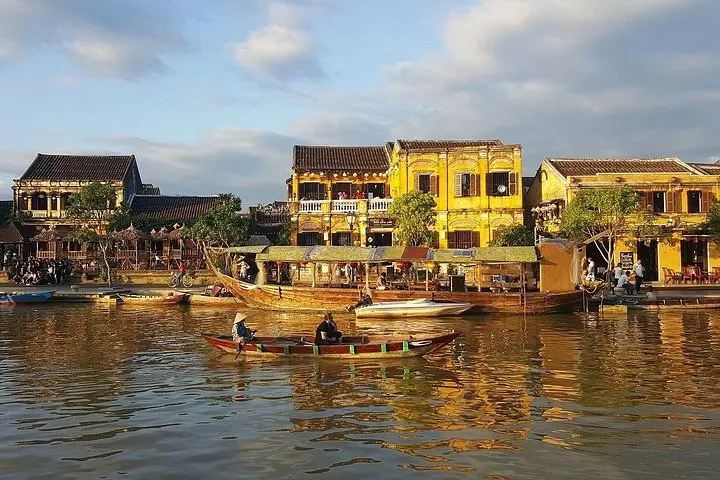
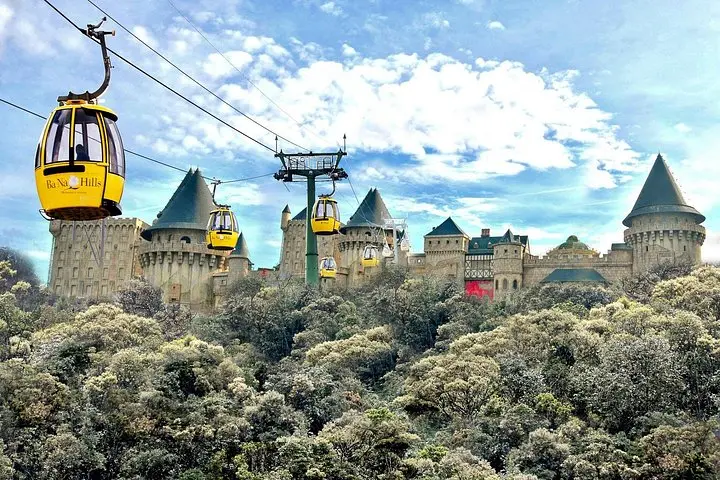
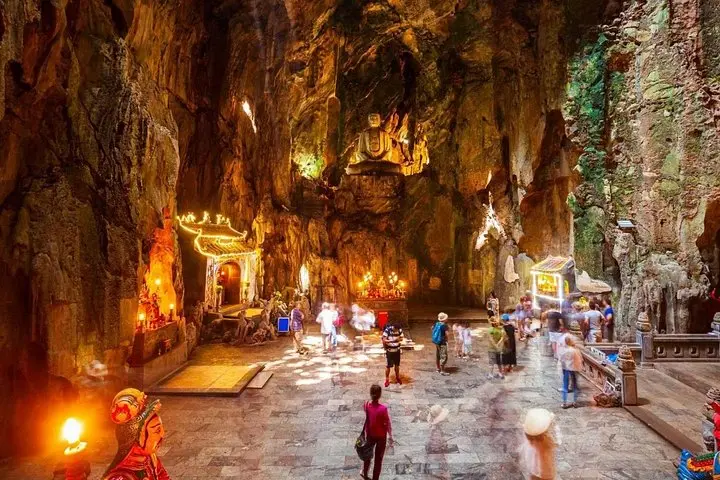
Over five days you move between limestone caves and French-colonial streets: Marble Mountains’ caves and pagodas reveal centuries of limestone karst sculpted by wind and rain; Ba Na Hills lifts you on one of Southeast Asia’s longest cable cars to the Golden Bridge and a cool, manicured French Village; Hoi An’s narrow lanes and covered bridge keep the feel of a trading port that linked China, Japan and Europe; Hue lays its Nguyen-dynasty citadel, royal tombs and incense scented pagodas along the Perfume River.
Culturally, this route traces Central Vietnam’s layered history—Cham and Vietnamese influences, then French colonial imprint—while the coast and lagoons sustain fishing and basket-boat traditions still practiced at Cam Thanh.
Practical guide: plan lightweight days with sturdy walking shoes for uneven temple steps and cave paths, a rain layer for sudden tropical downpours, and sun protection for long stretches on Lang Co Beach or the Hai Van outlook. Expect junctions of steep stairs (Marble Mountains, Ba Na viewpoints), short hikes inside caves, and several easy urban walks in Hoi An and Hue. Optimal timing is the dry season (February–August) for clearer skies; mornings and late afternoons are best for photography and cooler temperatures. Carry local currency for small vendors, stay hydrated in humid heat, and leave extra time on the Hai Van Pass for photo stops.
The itinerary includes several meals (lunches and some dinners specified); confirm exact meal count at booking and notify dietary needs in advance.
Yes—pickup from Da Nang area hotels is included; a fixed meeting point is available if pickup is not requested.
Expect moderate walking with stairs at Marble Mountains, Ba Na Hills and Hue citadel; the tour notes suitability for all fitness levels but mobility limitations should be reported ahead of time.
Dry season (February–August) offers clearer skies and easier beach conditions; the rainy season brings heavier showers and occasional travel delays.
Authentic Travel VIETNAM operates guided outdoor trips and adventures with an emphasis on safety, stewardship, and memorable experiences.

The morning air off Da Nang’s shore is warm and salty as the minivan eases away from the city, the Marble Mountains rising like weathered spires to the south and the Hai Van Pass uncoiling a dramatic ribbon of road toward Hue.
The morning air off Da Nang’s shore is warm and salty as the minivan eases away from the city, the Marble Mountains rising like weathered spires to the south and the Hai Van Pass uncoiling a dramatic ribbon of road toward Hue.
Over five days you move between limestone caves and French-colonial streets: Marble Mountains’ caves and pagodas reveal centuries of limestone karst sculpted by wind and rain; Ba Na Hills lifts you on one of Southeast Asia’s longest cable cars to the Golden Bridge and a cool, manicured French Village; Hoi An’s narrow lanes and covered bridge keep the feel of a trading port that linked China, Japan and Europe; Hue lays its Nguyen-dynasty citadel, royal tombs and incense scented pagodas along the Perfume River.
Culturally, this route traces Central Vietnam’s layered history—Cham and Vietnamese influences, then French colonial imprint—while the coast and lagoons sustain fishing and basket-boat traditions still practiced at Cam Thanh.
Practical guide: plan lightweight days with sturdy walking shoes for uneven temple steps and cave paths, a rain layer for sudden tropical downpours, and sun protection for long stretches on Lang Co Beach or the Hai Van outlook. Expect junctions of steep stairs (Marble Mountains, Ba Na viewpoints), short hikes inside caves, and several easy urban walks in Hoi An and Hue. Optimal timing is the dry season (February–August) for clearer skies; mornings and late afternoons are best for photography and cooler temperatures. Carry local currency for small vendors, stay hydrated in humid heat, and leave extra time on the Hai Van Pass for photo stops.