THE ADVENTURE COLLECTIVE® · Independent discovery and booking for outdoor travel

A five-day circuit from San Cristóbal de las Casas that links colonial towns, the Palenque ruins, the vertical walls of Sumidero Canyon and the blue pools of Agua Azul and Montebello. Expect boat rides, waterfall viewpoints and short hikes with local cultural stops.
A five-day circuit from San Cristóbal de las Casas that links colonial towns, the Palenque ruins, the vertical walls of Sumidero Canyon and the blue pools of Agua Azul and Montebello. Expect boat rides, waterfall viewpoints and short hikes with local cultural stops.
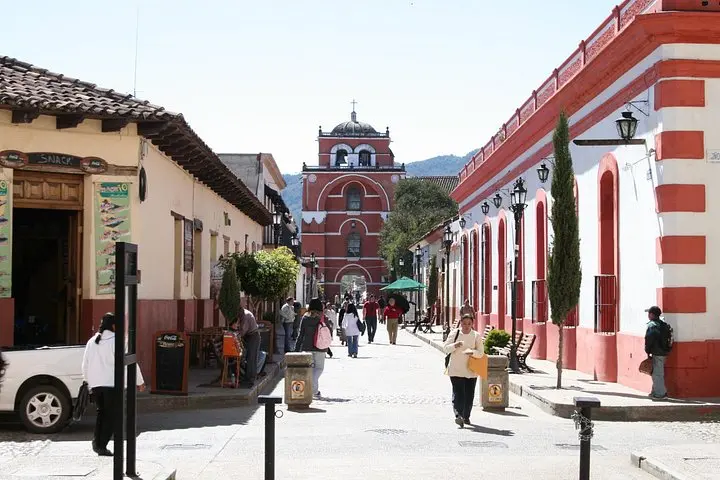
You step off the bus into San Cristóbal de las Casas as highland fog thins over red-tile roofs and market stalls. The air is cool, coffee-scented and alive with Tzotzil chatter; over five days that same region will open into limestone canyons, turquoise pools and emerald jungle.
Verified experiences and guided adventures in the surrounding area.
Operated by Syctravel.com · San Cristóbal de las Casas, Chiapas
You step off the bus into San Cristóbal de las Casas as highland fog thins over red-tile roofs and market stalls. The air is cool, coffee-scented and alive with Tzotzil chatter; over five days that same region will open into limestone canyons, turquoise pools and emerald jungle.
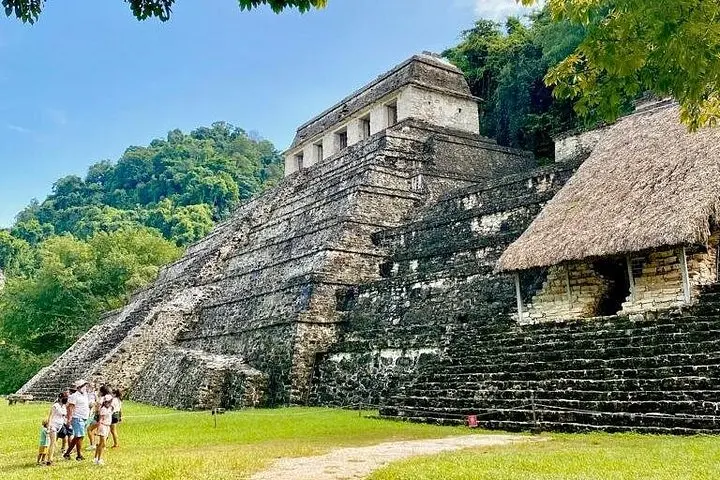
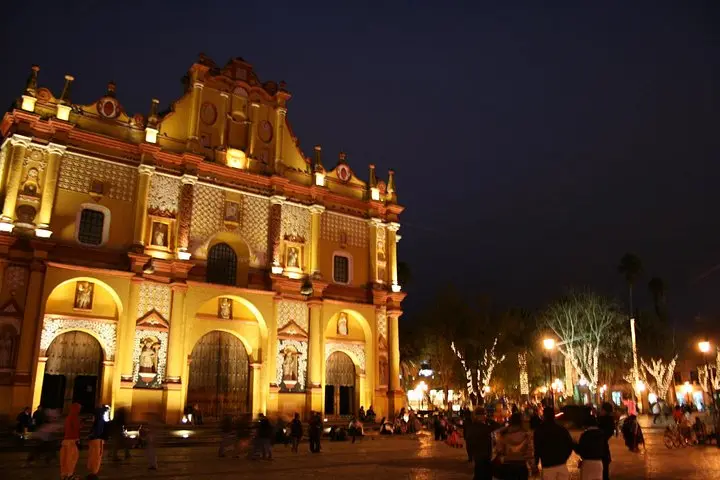
This itinerary threads colonial history and deep-time geology. San Cristóbal, founded in 1528, carries Spanish baroque churches beside indigenous plazas; Palenque preserves Classic Maya inscriptions and riverine plazas carved into karst terrain. Sumidero Canyon, carved by tectonic rifts and the Graben system, rises in sheer limestone walls that the Grijalva River dares you to navigate. Agua Azul and Misol-Ha are owed to travertine and limestone chemistry—water sculpting pools and cascades over millennia—while Montebello’s lakes occupy collapsed karst basins shaded by pine and broadleaf forest.
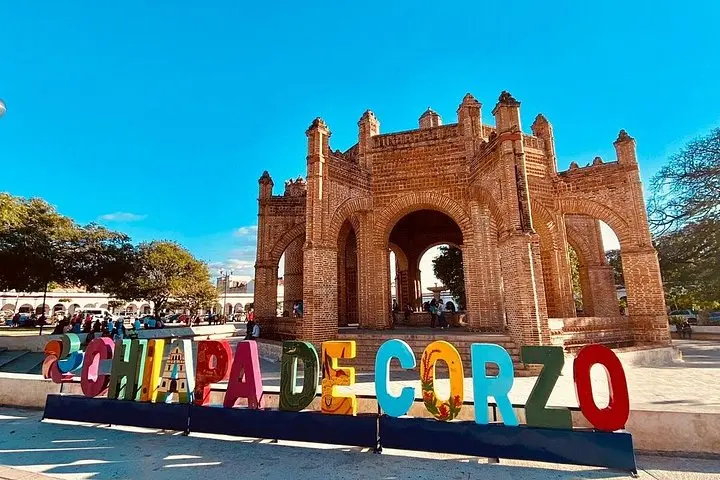
Expect guided drives between sites, short to moderate walks at archaeological zones and waterfall viewpoints, and one or two boat segments in the Sumidero. Local culture is visible at every stop: Chiapa de Corzo’s Mudejar fountain, Chamula’s unique church rituals, and markets where textiles and lacquerware are made.
Practical guidance: travel light but bring a sturdy pair of hiking shoes, a quick-dry layer, sun and rain protection, and a refillable water bottle. Days can be long—pack snacks and medications. Swim in designated areas only and follow guide instructions at river currents and cliff edges. Bring cash for entrance fees and tipping; know that rural roads can be bumpy and schedules flexible. This itinerary balances immersive nature with cultural encounters—rigid plans give way to good boots and a curious attitude.
Hikes are generally short to moderate (30–90 minutes) on uneven surfaces; no technical climbing required but good mobility is recommended.
The tour description lists tickets to all places visited as included, but bring small cash for local purchases and optional activities.
Swimming is allowed in designated pools like parts of Agua Azul; always follow guide instructions about currents and safe areas.
Spanish is the primary language; guides may offer English—confirm at booking if you need an English-speaking guide.
Syctravel.com operates guided outdoor trips and adventures with an emphasis on safety, stewardship, and memorable experiences.
You step off the bus into San Cristóbal de las Casas as highland fog thins over red-tile roofs and market stalls. The air is cool, coffee-scented and alive with Tzotzil chatter; over five days that same region will open into limestone canyons, turquoise pools and emerald jungle.
You step off the bus into San Cristóbal de las Casas as highland fog thins over red-tile roofs and market stalls. The air is cool, coffee-scented and alive with Tzotzil chatter; over five days that same region will open into limestone canyons, turquoise pools and emerald jungle.
This itinerary threads colonial history and deep-time geology. San Cristóbal, founded in 1528, carries Spanish baroque churches beside indigenous plazas; Palenque preserves Classic Maya inscriptions and riverine plazas carved into karst terrain. Sumidero Canyon, carved by tectonic rifts and the Graben system, rises in sheer limestone walls that the Grijalva River dares you to navigate. Agua Azul and Misol-Ha are owed to travertine and limestone chemistry—water sculpting pools and cascades over millennia—while Montebello’s lakes occupy collapsed karst basins shaded by pine and broadleaf forest.
Expect guided drives between sites, short to moderate walks at archaeological zones and waterfall viewpoints, and one or two boat segments in the Sumidero. Local culture is visible at every stop: Chiapa de Corzo’s Mudejar fountain, Chamula’s unique church rituals, and markets where textiles and lacquerware are made.
Practical guidance: travel light but bring a sturdy pair of hiking shoes, a quick-dry layer, sun and rain protection, and a refillable water bottle. Days can be long—pack snacks and medications. Swim in designated areas only and follow guide instructions at river currents and cliff edges. Bring cash for entrance fees and tipping; know that rural roads can be bumpy and schedules flexible. This itinerary balances immersive nature with cultural encounters—rigid plans give way to good boots and a curious attitude.