THE ADVENTURE COLLECTIVE® · Independent discovery and booking for outdoor travel

A compact 4–5 day trek from Sundarijal to Nagarkot that threads rhododendron forests and village trails to deliver sunrise views of the high Himalaya. Ideal for hikers with limited time who want big mountain panoramas and local culture.
A compact 4–5 day trek from Sundarijal to Nagarkot that threads rhododendron forests and village trails to deliver sunrise views of the high Himalaya. Ideal for hikers with limited time who want big mountain panoramas and local culture.
A cool pre-dawn wind pushes across the terrace as you leave Kathmandu behind and climb into the green shoulder of the Kathmandu Valley. The trail rises from Sundarijal, threading through maple and rhododendron that lean over narrow stone steps, and opens onto a ridgeline where the horizon suddenly widens — a sweep of Himalayan summits, from Annapurna’s western massifs to Langtang and distant Everest peaks, revealed in clean morning light.
Verified experiences and guided adventures in the surrounding area.
Operated by Osho world Adventure · Kathmandu, Bagmati Province
A cool pre-dawn wind pushes across the terrace as you leave Kathmandu behind and climb into the green shoulder of the Kathmandu Valley. The trail rises from Sundarijal, threading through maple and rhododendron that lean over narrow stone steps, and opens onto a ridgeline where the horizon suddenly widens — a sweep of Himalayan summits, from Annapurna’s western massifs to Langtang and distant Everest peaks, revealed in clean morning light.
This 4–5 day trek follows traditional village tracks and forested ridges that have been used for generations by Newar and Tamang communities. Geologically the route sits on the lower flanks of the Mahabharat Range; soil, spring-fed streams and terraced fields mark the human imprint. Chisapani sits on a pine-lined ridge; Nagarkot has long been a lookout point for sunrise and strategic views over the valley and high Himalaya.
Expect easy-to-moderate walking: stone steps, dirt tracks and short ascents to 2,100–2,200 m, with tea-house stays and simple local meals. Mornings are best for mountain photography and afternoons for village strolls and local markets. Guides usually handle permits (TIMS) and logistics; porters are available for extra comfort.
Practical notes: pack layered clothing for temperature swings, bring a reliable headlamp for early starts, and carry water treatment or a refillable bottle — taps can be limited on ridge sections. Respect local customs in villages, support teahouse economies by ordering meals, and avoid single-use plastics. This is a short Himalayan trek that blends accessible terrain with big-mountain views—ideal for travelers who want a compact, culturally rich introduction to Nepali trekking.
Yes—TIMS and local trekking permits are standard; most operators include these in the package and handle paperwork.
Teahouse lodges and village guesthouses along the route serve simple Nepali meals (dal bhat, tea, noodles); the trip usually includes three meals per trekking day.
Maximum altitude is modest (around 2,100–2,200 m), so serious altitude sickness is unlikely, but pace yourself and communicate symptoms to your guide.
Autumn (Sept–Nov) and spring (Mar–May) offer the clearest mountain views; winter is cold with crisp visibility, while monsoon months bring heavier rain and slippery trails.
Osho world Adventure operates guided outdoor trips and adventures with an emphasis on safety, stewardship, and memorable experiences.
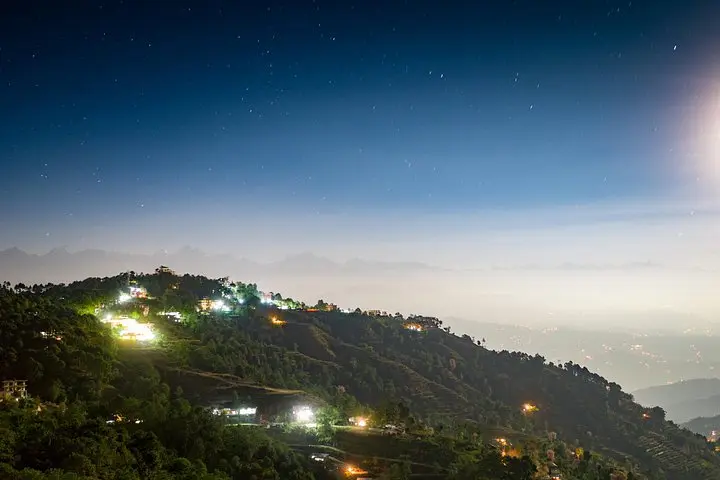
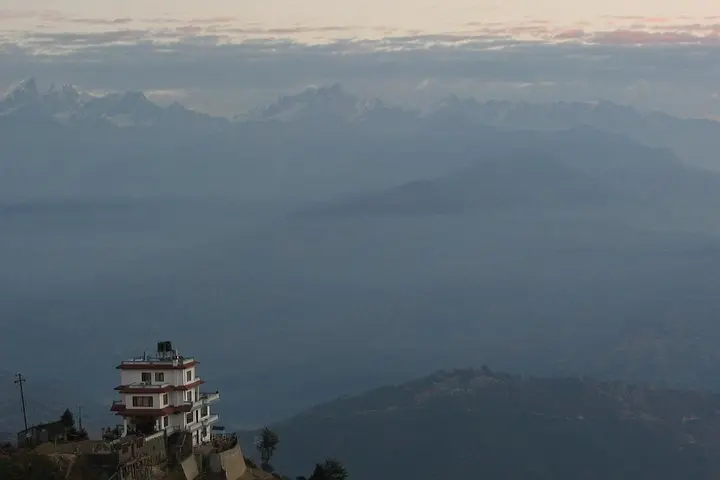
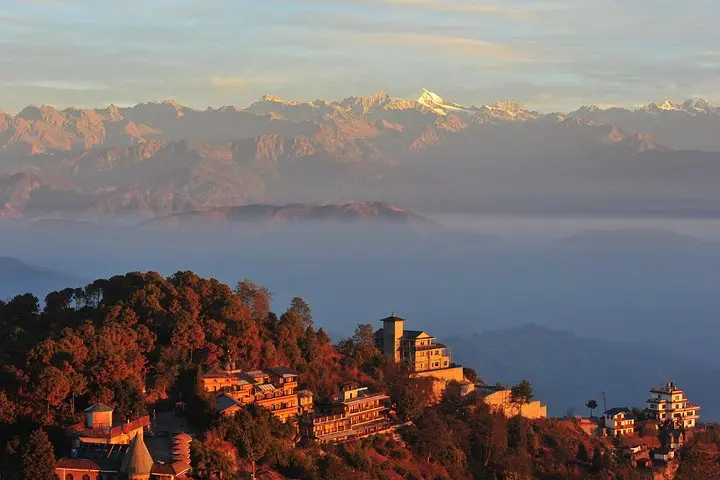
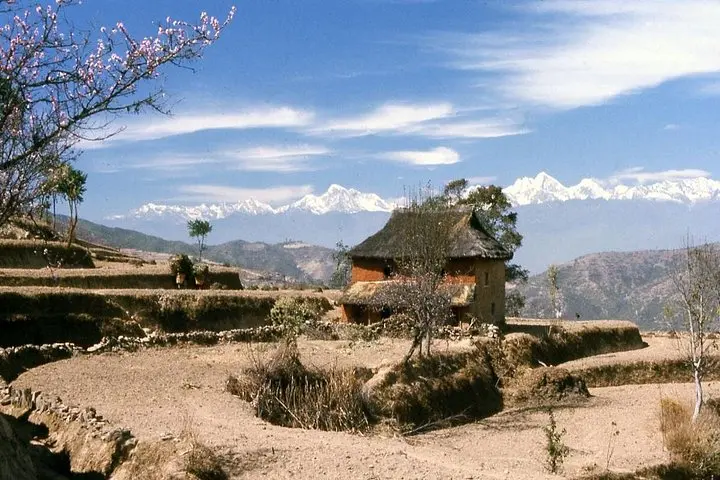
A cool pre-dawn wind pushes across the terrace as you leave Kathmandu behind and climb into the green shoulder of the Kathmandu Valley. The trail rises from Sundarijal, threading through maple and rhododendron that lean over narrow stone steps, and opens onto a ridgeline where the horizon suddenly widens — a sweep of Himalayan summits, from Annapurna’s western massifs to Langtang and distant Everest peaks, revealed in clean morning light.
A cool pre-dawn wind pushes across the terrace as you leave Kathmandu behind and climb into the green shoulder of the Kathmandu Valley. The trail rises from Sundarijal, threading through maple and rhododendron that lean over narrow stone steps, and opens onto a ridgeline where the horizon suddenly widens — a sweep of Himalayan summits, from Annapurna’s western massifs to Langtang and distant Everest peaks, revealed in clean morning light.
This 4–5 day trek follows traditional village tracks and forested ridges that have been used for generations by Newar and Tamang communities. Geologically the route sits on the lower flanks of the Mahabharat Range; soil, spring-fed streams and terraced fields mark the human imprint. Chisapani sits on a pine-lined ridge; Nagarkot has long been a lookout point for sunrise and strategic views over the valley and high Himalaya.
Expect easy-to-moderate walking: stone steps, dirt tracks and short ascents to 2,100–2,200 m, with tea-house stays and simple local meals. Mornings are best for mountain photography and afternoons for village strolls and local markets. Guides usually handle permits (TIMS) and logistics; porters are available for extra comfort.
Practical notes: pack layered clothing for temperature swings, bring a reliable headlamp for early starts, and carry water treatment or a refillable bottle — taps can be limited on ridge sections. Respect local customs in villages, support teahouse economies by ordering meals, and avoid single-use plastics. This is a short Himalayan trek that blends accessible terrain with big-mountain views—ideal for travelers who want a compact, culturally rich introduction to Nepali trekking.