THE ADVENTURE COLLECTIVE® · Independent discovery and booking for outdoor travel

Spend five days moving from Kathmandu into jungle and mountains: canoe the Rapti, track rhino footprints on forest trails, then swap wildlife for lakefront sunsets and an Annapurna sunrise at Sarangkot. Practical transport and wildlife tips help you plan each day.
Spend five days moving from Kathmandu into jungle and mountains: canoe the Rapti, track rhino footprints on forest trails, then swap wildlife for lakefront sunsets and an Annapurna sunrise at Sarangkot. Practical transport and wildlife tips help you plan each day.
Dawn finds you on a tourist coach threading down into Nepal’s lowland Terai, humidity already pressing against the windows as sal forest and elephant grass slide by. By midday the air changes — the Rapti River calls you to a wooden canoe that skirts a bank where gharials and marsh mugger crocodiles warm themselves in the sun. A jeep grumbles through the park at dusk, nostrils of rhino and the flash of deer moving like punctuation in the undergrowth.
Verified experiences and guided adventures in the surrounding area.
Operated by Liberty Holidays · Kathmandu, Bagmati Province
Dawn finds you on a tourist coach threading down into Nepal’s lowland Terai, humidity already pressing against the windows as sal forest and elephant grass slide by. By midday the air changes — the Rapti River calls you to a wooden canoe that skirts a bank where gharials and marsh mugger crocodiles warm themselves in the sun. A jeep grumbles through the park at dusk, nostrils of rhino and the flash of deer moving like punctuation in the undergrowth.
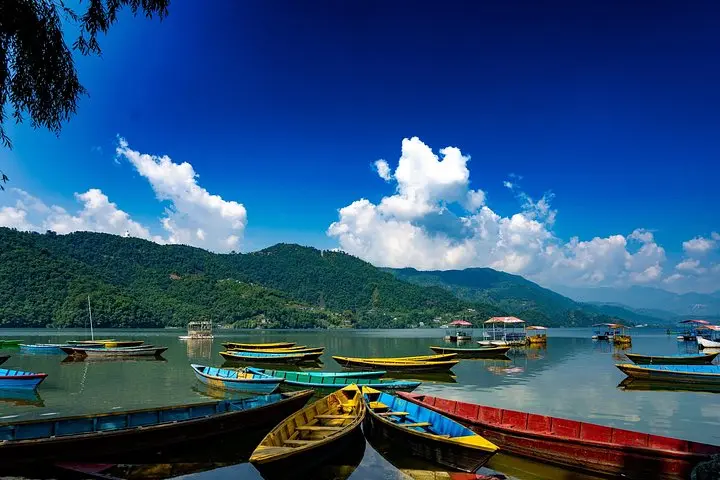
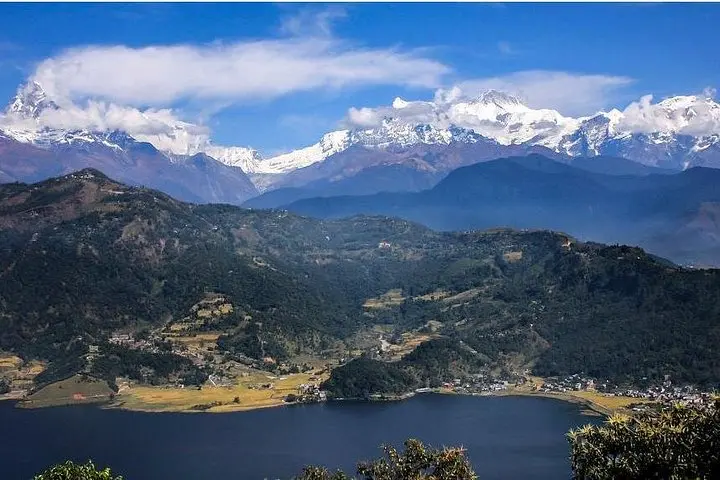
Chitwan National Park, created in 1973 and a UNESCO World Heritage Site, preserves subtropical forest and riverine floodplain that evolved on the Siwalik foothills’ alluvial soils. Pokhara sits upriver at a higher elevation (roughly 740–800 m), a lakeside city that developed as a trade and trekking gateway to the Annapurna range; Sarangkot (about 1,600 m) gives a sunrise stage to the Himalaya.
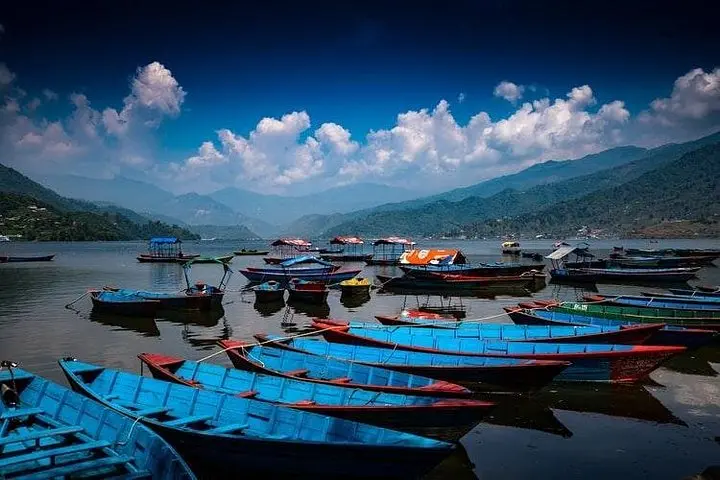
Culture threads through both places — Tharu villages in Chitwan practice floodplain agriculture and offer cultural dance evenings, while Pokhara’s lakeside hums with boatmen, cafés and mountain museums.
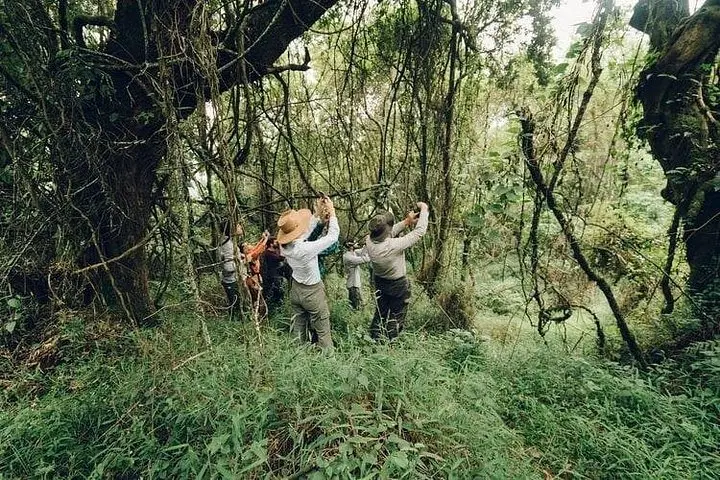
Practical guidance: the tour is transport-heavy (Kathmandu–Chitwan ~5–6 hours; Chitwan–Pokhara ~5 hours). Expect short jungle walks (flat, muddy trails) and gentle boat rides on Fewa Lake. Bring sturdy walking shoes, light layers for cool mornings in Sarangkot, insect protection for the jungle and binoculars for birding. Wildlife sightings are never guaranteed; patience and quiet increase your odds. Plan travel time conservatively — roads are scenic but slow — and respect local guides and park rules during safaris.
No — sightings depend on season, animal movement and luck; guided canoe rides and jeep safaris maximize opportunities but cannot guarantee sightings of tigers or rhinoceros.
Consult your doctor for routine vaccinations and consider protection against Japanese encephalitis and typhoid; bring anti-malarial advice for some Terai areas and carry basic first-aid supplies.
Most activities are low-impact: short jungle walks, canoe rides and guided village visits; travelers with limited mobility should check specific transfer details with the operator.
Yes — the tour includes hotel pickup and drop-off in Kathmandu; provide your hotel name and location at booking so the operator can confirm pickup logistics.
Liberty Holidays operates guided outdoor trips and adventures with an emphasis on safety, stewardship, and memorable experiences.
Dawn finds you on a tourist coach threading down into Nepal’s lowland Terai, humidity already pressing against the windows as sal forest and elephant grass slide by. By midday the air changes — the Rapti River calls you to a wooden canoe that skirts a bank where gharials and marsh mugger crocodiles warm themselves in the sun. A jeep grumbles through the park at dusk, nostrils of rhino and the flash of deer moving like punctuation in the undergrowth.
Dawn finds you on a tourist coach threading down into Nepal’s lowland Terai, humidity already pressing against the windows as sal forest and elephant grass slide by. By midday the air changes — the Rapti River calls you to a wooden canoe that skirts a bank where gharials and marsh mugger crocodiles warm themselves in the sun. A jeep grumbles through the park at dusk, nostrils of rhino and the flash of deer moving like punctuation in the undergrowth.
Chitwan National Park, created in 1973 and a UNESCO World Heritage Site, preserves subtropical forest and riverine floodplain that evolved on the Siwalik foothills’ alluvial soils. Pokhara sits upriver at a higher elevation (roughly 740–800 m), a lakeside city that developed as a trade and trekking gateway to the Annapurna range; Sarangkot (about 1,600 m) gives a sunrise stage to the Himalaya.
Culture threads through both places — Tharu villages in Chitwan practice floodplain agriculture and offer cultural dance evenings, while Pokhara’s lakeside hums with boatmen, cafés and mountain museums.
Practical guidance: the tour is transport-heavy (Kathmandu–Chitwan ~5–6 hours; Chitwan–Pokhara ~5 hours). Expect short jungle walks (flat, muddy trails) and gentle boat rides on Fewa Lake. Bring sturdy walking shoes, light layers for cool mornings in Sarangkot, insect protection for the jungle and binoculars for birding. Wildlife sightings are never guaranteed; patience and quiet increase your odds. Plan travel time conservatively — roads are scenic but slow — and respect local guides and park rules during safaris.