THE ADVENTURE COLLECTIVE® · Independent discovery and booking for outdoor travel

A concise five-day loop through Jordan’s essentials: Byzantine mosaics at Madaba, the carved corridors of Petra, a Bedouin jeep through Wadi Rum and the buoyant waters of the Dead Sea. Practical guidance for timing, gear and local customs included.
A concise five-day loop through Jordan’s essentials: Byzantine mosaics at Madaba, the carved corridors of Petra, a Bedouin jeep through Wadi Rum and the buoyant waters of the Dead Sea. Practical guidance for timing, gear and local customs included.
You step out of the air-conditioned van into a dry wind that tastes faintly of spice and stone. The sun is already high over Wadi Musa and the rose-red cliffs of Petra edge the horizon like an open page. Over five days this compact loop—Amman, Mount Nebo, Madaba, Petra, Wadi Rum, Aqaba and the Dead Sea—moves you through desert canyons, Byzantine mosaics and Bedouin camps, with the odd modern convenience: bottled water, Wi‑Fi in the van, and an English-speaking driver who stitches the days together.
Verified experiences and guided adventures in the surrounding area.
Operated by BookingJordan.com · Wadi Musa, Ma'an Governorate
You step out of the air-conditioned van into a dry wind that tastes faintly of spice and stone. The sun is already high over Wadi Musa and the rose-red cliffs of Petra edge the horizon like an open page. Over five days this compact loop—Amman, Mount Nebo, Madaba, Petra, Wadi Rum, Aqaba and the Dead Sea—moves you through desert canyons, Byzantine mosaics and Bedouin camps, with the odd modern convenience: bottled water, Wi‑Fi in the van, and an English-speaking driver who stitches the days together.
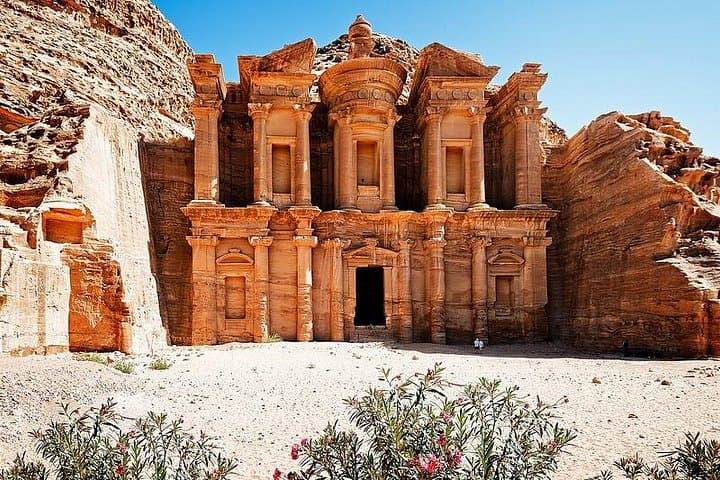
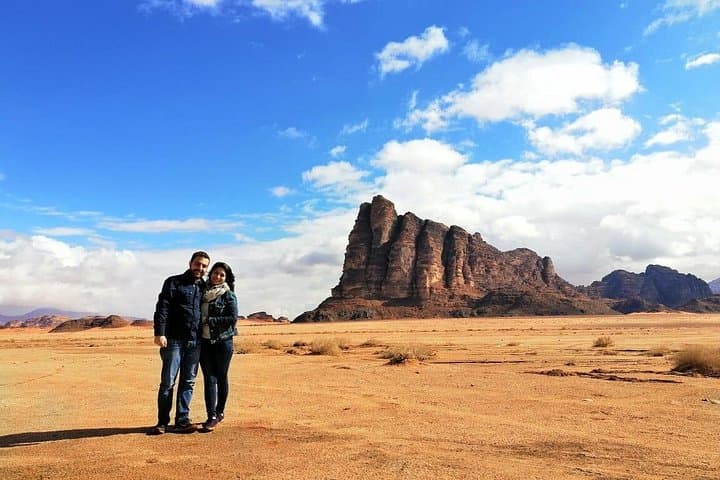
Petra is the headline: a Nabataean city hewn into sandstone from the 6th century B.C., its Siq funneling you toward the Treasury like a theatrical reveal. Walk past carved façades and royal tombs, then climb the stairway to El Deir for a broader view. Wadi Rum is a different kind of architecture—millennia of wind and sand chiseling soft granite into arches, narrow canyons and sweeping dunes. Here 4x4 Bedouin jeeps cut red tracks across the plain and camp life—tea, stories and a sky that keeps its constellations—takes over.
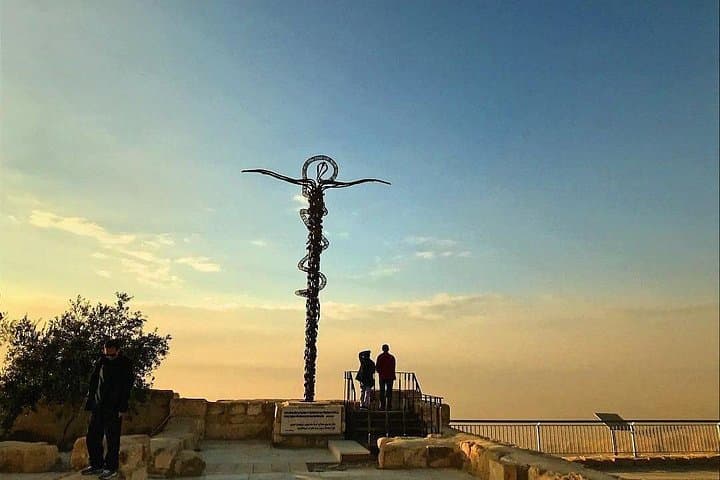
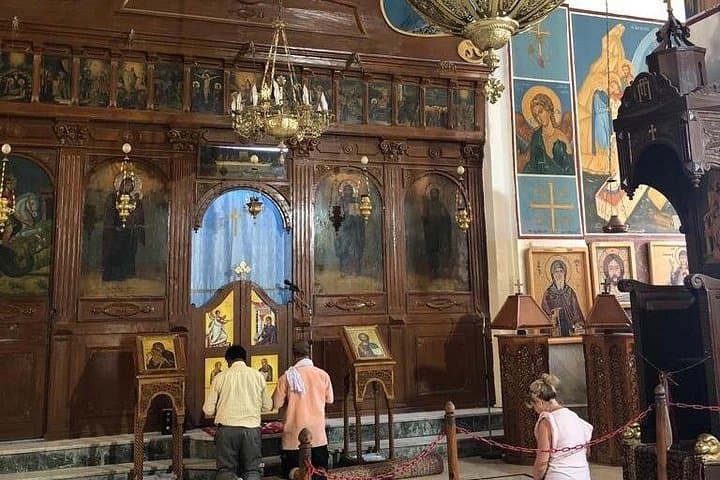
History and geology are companions on this route. Mount Nebo gives a Bible-era panorama toward the Jordan Valley and Dead Sea; Madaba keeps a 6th‑century mosaic map that pins the land to its ancient names. The Dead Sea, lying over 400 meters below sea level, is a demonstration of extremes: mineral-dense water that refuses to let you sink and shoreline salt crusts that flake into abstract shapes. Aqaba brings a coastal note: Mamluk forts, Ottoman traces and a mercantile souq that nods to centuries of Red Sea trade.
Practicalities matter here. Expect long driving days—transfers of up to four hours between some stops; bring a small daypack for Petra’s stairs and a warm layer for desert nights. Petra’s guided segment runs about 2.5 hours with a licensed local guide; after that you’ll want two to three more hours to explore on your own or tackle the 800-step hike to the Monastery. Wadi Rum’s three-hour 4x4 tour provides the highlights; jeep comfort is basic and seat belts may be absent. At the Dead Sea, swimwear and water sandals are essential; avoid shaving before floating and rinse thoroughly after.
Timing: visit Petra early in the morning to beat heat and crowds, and schedule Wadi Rum for golden hour if your itinerary allows. Respect local customs—modest dress in towns and deference when visiting Bedouin camps. Finally, travel with patience: the landscape is generous but unhurried. This is Jordan on human terms—raw rock, intense light, and routes that invite you to walk a little slower and look a little longer.
Yes—an English-speaking local guide accompanies your group in Petra for approximately 2.5 hours as listed, after which you have free time to explore independently.
Wadi Rum 4x4s are traditional and rustic—expect basic seating, no air conditioning, and occasional bumpy transfers; wear layers and secure loose items.
You float rather than swim—enter slowly, avoid splashing, don’t submerge your head, and rinse off thoroughly afterward; water sandals help on the salt‑crusted shore.
This tour involves moderate walking: Petra includes stair climbs up to 800 steps if you choose the Monastery; expect several hours of walking on uneven surfaces across days.
Meals vary by provider; the itinerary highlights accommodations and transfers—confirm which meals are included when booking or prepare to purchase local meals en route.
Tip modestly for guides, drivers and camp staff (a few JDs per person is common); dress conservatively in towns and ask permission before photographing people in villages or camps.
BookingJordan.com operates guided outdoor trips and adventures with an emphasis on safety, stewardship, and memorable experiences.
You step out of the air-conditioned van into a dry wind that tastes faintly of spice and stone. The sun is already high over Wadi Musa and the rose-red cliffs of Petra edge the horizon like an open page. Over five days this compact loop—Amman, Mount Nebo, Madaba, Petra, Wadi Rum, Aqaba and the Dead Sea—moves you through desert canyons, Byzantine mosaics and Bedouin camps, with the odd modern convenience: bottled water, Wi‑Fi in the van, and an English-speaking driver who stitches the days together.
You step out of the air-conditioned van into a dry wind that tastes faintly of spice and stone. The sun is already high over Wadi Musa and the rose-red cliffs of Petra edge the horizon like an open page. Over five days this compact loop—Amman, Mount Nebo, Madaba, Petra, Wadi Rum, Aqaba and the Dead Sea—moves you through desert canyons, Byzantine mosaics and Bedouin camps, with the odd modern convenience: bottled water, Wi‑Fi in the van, and an English-speaking driver who stitches the days together.
Petra is the headline: a Nabataean city hewn into sandstone from the 6th century B.C., its Siq funneling you toward the Treasury like a theatrical reveal. Walk past carved façades and royal tombs, then climb the stairway to El Deir for a broader view. Wadi Rum is a different kind of architecture—millennia of wind and sand chiseling soft granite into arches, narrow canyons and sweeping dunes. Here 4x4 Bedouin jeeps cut red tracks across the plain and camp life—tea, stories and a sky that keeps its constellations—takes over.
History and geology are companions on this route. Mount Nebo gives a Bible-era panorama toward the Jordan Valley and Dead Sea; Madaba keeps a 6th‑century mosaic map that pins the land to its ancient names. The Dead Sea, lying over 400 meters below sea level, is a demonstration of extremes: mineral-dense water that refuses to let you sink and shoreline salt crusts that flake into abstract shapes. Aqaba brings a coastal note: Mamluk forts, Ottoman traces and a mercantile souq that nods to centuries of Red Sea trade.
Practicalities matter here. Expect long driving days—transfers of up to four hours between some stops; bring a small daypack for Petra’s stairs and a warm layer for desert nights. Petra’s guided segment runs about 2.5 hours with a licensed local guide; after that you’ll want two to three more hours to explore on your own or tackle the 800-step hike to the Monastery. Wadi Rum’s three-hour 4x4 tour provides the highlights; jeep comfort is basic and seat belts may be absent. At the Dead Sea, swimwear and water sandals are essential; avoid shaving before floating and rinse thoroughly after.
Timing: visit Petra early in the morning to beat heat and crowds, and schedule Wadi Rum for golden hour if your itinerary allows. Respect local customs—modest dress in towns and deference when visiting Bedouin camps. Finally, travel with patience: the landscape is generous but unhurried. This is Jordan on human terms—raw rock, intense light, and routes that invite you to walk a little slower and look a little longer.