THE ADVENTURE COLLECTIVE® · Independent discovery and booking for outdoor travel

A five-day route from Addis to Yirgacheffe and Awassa that traces coffee from farm to cup. Expect dusty roads, cooperative visits, multiple tastings and lodge stays amid highland plantations.
A five-day route from Addis to Yirgacheffe and Awassa that traces coffee from farm to cup. Expect dusty roads, cooperative visits, multiple tastings and lodge stays amid highland plantations.
You step from Bole International into air thick with roasted bean and diesel: Addis Ababa is the first cup and the last, a city of markets and history that launches this five-day circuit through Ethiopia’s highland coffee country.
Verified experiences and guided adventures in the surrounding area.
Operated by Enat Ethiopia Tours · Addis Ababa, Addis Ababa
You step from Bole International into air thick with roasted bean and diesel: Addis Ababa is the first cup and the last, a city of markets and history that launches this five-day circuit through Ethiopia’s highland coffee country.
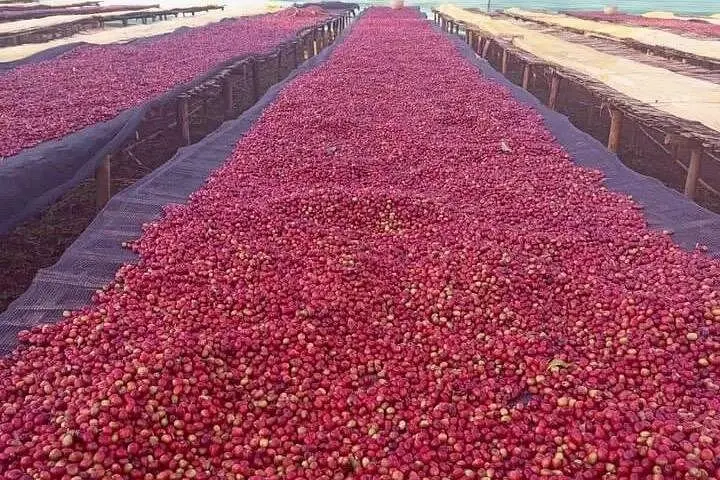
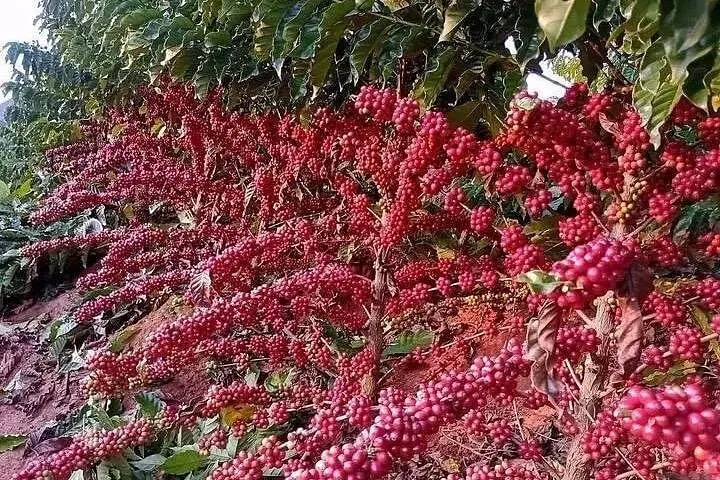
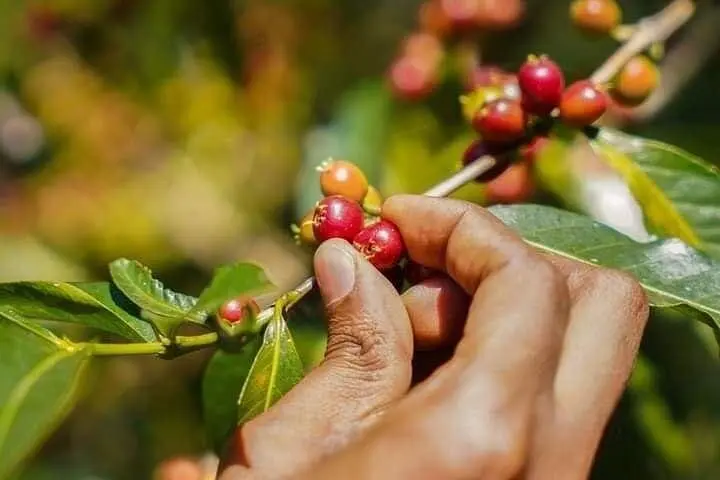
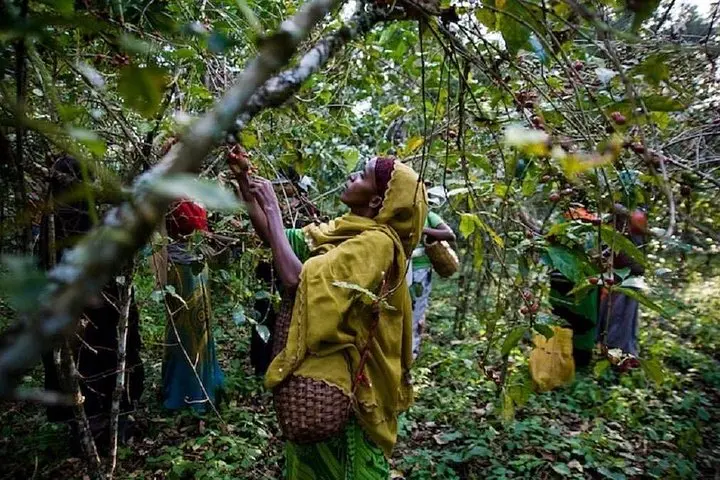
From the urban sprawl you descend into the Great Rift Valley, where red soil and ridgelines produce the floral, tea-like cups associated with Yirgacheffe. Along winding roads, cooperative farms appear as green bands on the hills; pickers move among shrubs the way wind moves through grass. Awassa’s lakeside fish market hums with trade; in small towns you’ll find coffee processors where cherries are sorted, fermented and dried under sun.
Ethiopia’s coffee story is inseparable from its geology and culture — Arabica evolved in these highlands and coffee ceremonies remain a social backbone. A stop at the National Museum in Addis connects the territory’s deep human history with today’s living agricultural landscapes.
Practically: the tour is primarily road-based with light farm walks and visits to processing stations. Expect steady drives between towns, early mornings for tastings and dusty roads around cooperatives. Altitude reaches roughly 1,900–2,200 m; stay hydrated and move slowly the first day. Bring sun protection and closed shoes for plantation paths; pack a small daypack for tastings and village visits.
Accommodation ranges from city hotels to lodges surrounded by coffee plots; meals include local dishes and multiple coffee tastings. The trip pairs cultural immersion with sensory education — you’ll leave not only with souvenir beans but with a clearer sense of how landscape and people brew the world’s coffee.
No — the tour is designed for all levels; guides explain cultivation, processing and tasting in accessible terms.
Expect several hours of driving between Addis Ababa, Awassa and Yirgacheffe with short walks at farms; drives are on paved and gravel roads.
Yes — breakfasts, lunches and dinners listed in the itinerary and accommodations per the program are included.
The tour is rated easy and suitable for most ages, but those with cardiovascular concerns should consult a doctor due to altitude and travel demands.
Enat Ethiopia Tours operates guided outdoor trips and adventures with an emphasis on safety, stewardship, and memorable experiences.
You step from Bole International into air thick with roasted bean and diesel: Addis Ababa is the first cup and the last, a city of markets and history that launches this five-day circuit through Ethiopia’s highland coffee country.
You step from Bole International into air thick with roasted bean and diesel: Addis Ababa is the first cup and the last, a city of markets and history that launches this five-day circuit through Ethiopia’s highland coffee country.
From the urban sprawl you descend into the Great Rift Valley, where red soil and ridgelines produce the floral, tea-like cups associated with Yirgacheffe. Along winding roads, cooperative farms appear as green bands on the hills; pickers move among shrubs the way wind moves through grass. Awassa’s lakeside fish market hums with trade; in small towns you’ll find coffee processors where cherries are sorted, fermented and dried under sun.
Ethiopia’s coffee story is inseparable from its geology and culture — Arabica evolved in these highlands and coffee ceremonies remain a social backbone. A stop at the National Museum in Addis connects the territory’s deep human history with today’s living agricultural landscapes.
Practically: the tour is primarily road-based with light farm walks and visits to processing stations. Expect steady drives between towns, early mornings for tastings and dusty roads around cooperatives. Altitude reaches roughly 1,900–2,200 m; stay hydrated and move slowly the first day. Bring sun protection and closed shoes for plantation paths; pack a small daypack for tastings and village visits.
Accommodation ranges from city hotels to lodges surrounded by coffee plots; meals include local dishes and multiple coffee tastings. The trip pairs cultural immersion with sensory education — you’ll leave not only with souvenir beans but with a clearer sense of how landscape and people brew the world’s coffee.