THE ADVENTURE COLLECTIVE® · Independent discovery and booking for outdoor travel

Five days of high-Andean archaeology, market stops, and the living Inca bridge—this tour links Cusco, the Sacred Valley, Machu Picchu, and the annual-maintained Q’eswachaka suspension bridge. Expect altitude shifts, train travel, and guided visits to major Inca sites.
Five days of high-Andean archaeology, market stops, and the living Inca bridge—this tour links Cusco, the Sacred Valley, Machu Picchu, and the annual-maintained Q’eswachaka suspension bridge. Expect altitude shifts, train travel, and guided visits to major Inca sites.
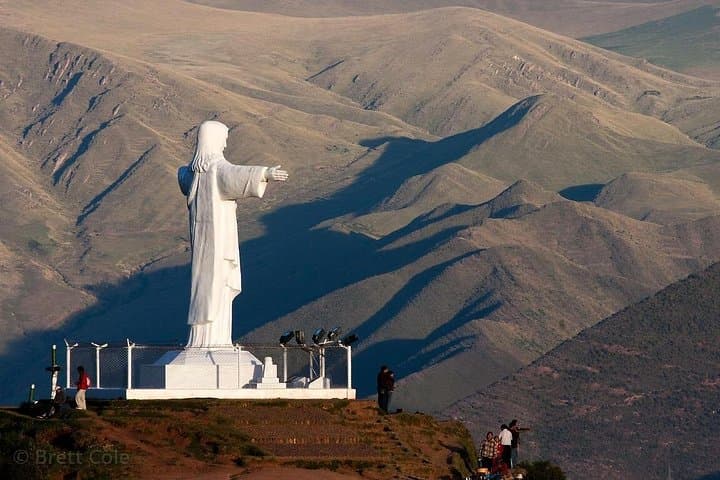
A thin mountain light breaks over the Plaza de Armas as the group gathers for a pick-up in Cusco, the city’s high-altitude calm pressing around you at 3,400 meters. Over five days the itinerary pushes across Andean floors: cobbled colonial streets, terraced Inca farmlands in the Sacred Valley, the thunder of the Apurímac gorge at Q’eswachaka, and the stepped ruins of Machu Picchu where stone meets cloud.
Verified experiences and guided adventures in the surrounding area.
Operated by Chullos Travel Peru · Cusco, Cusco
A thin mountain light breaks over the Plaza de Armas as the group gathers for a pick-up in Cusco, the city’s high-altitude calm pressing around you at 3,400 meters. Over five days the itinerary pushes across Andean floors: cobbled colonial streets, terraced Inca farmlands in the Sacred Valley, the thunder of the Apurímac gorge at Q’eswachaka, and the stepped ruins of Machu Picchu where stone meets cloud.
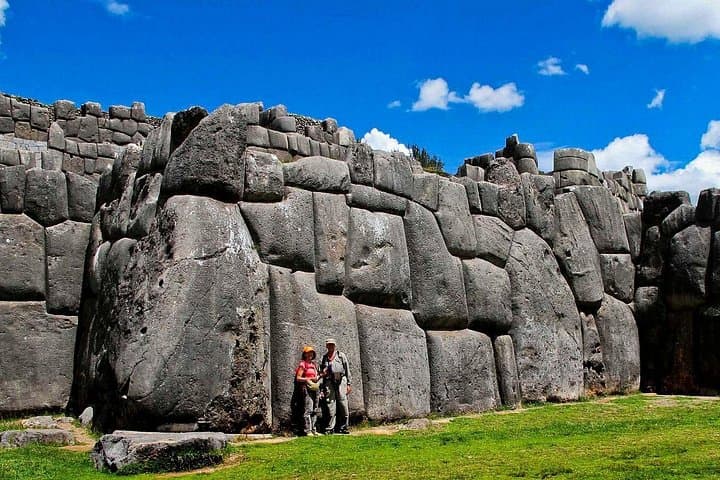
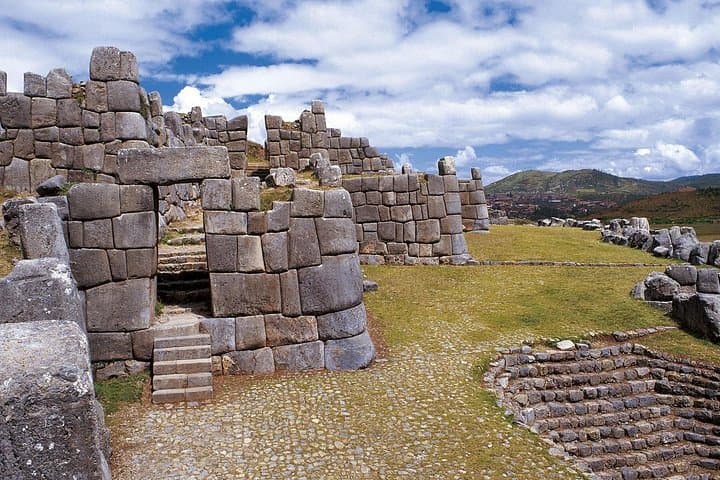
This route threads history and geology. Cusco was the Inca administrative heart; nearby terraces and temples at Pisac and Ollantaytambo show agricultural engineering carved into glacially-sculpted valley walls. The Q’eswachaka bridge preserves an ancestral practice of building ichu-fiber suspension spans across the Apurímac, still rebuilt annually by local communities. Machu Picchu sits on a granite promontory 2,430 m above sea level, its plazas and steep stairways revealing sophisticated drainage and stone-cutting techniques adapted to seismic ground.
Culturally the trip balances guided archaeological interpretation with moments of local exchange: market stops, Andean meals in Urubamba, and witnessing community craftsmanship at the bridge.
Practical edge: expect frequent altitude shifts—plan 24–48 hours to acclimatize in Cusco, carry water and sun protection, and wear stiff-soled shoes for uneven stone terraces and short steep climbs. Machu Picchu access follows assigned circuits and requires passport-linked tickets; trains from Ollantaytambo to Aguas Calientes are timed and included. Guided visits typically run about two hours in the citadel with additional walking in towns and at Q’eswachaka. Travel days involve long bus transfers—pack layers for sun, rain, and cool nights.
Yes—tickets are linked to a passport number and you must present the same passport on entry and for train boarding.
Guided circuits typically last about two hours; additional time in Aguas Calientes for lunch and travel is included in the day plan.
Yes—Cusco sits around 3,400 m. Allow 24–48 hours to acclimatize, hydrate, and avoid heavy exertion immediately after arrival.
Tickets are controlled by Peru’s Ministry of Culture; the tour operator notes a full refund if no valid Machu Picchu admission is available for your booking.
Chullos Travel Peru operates guided outdoor trips and adventures with an emphasis on safety, stewardship, and memorable experiences.

A thin mountain light breaks over the Plaza de Armas as the group gathers for a pick-up in Cusco, the city’s high-altitude calm pressing around you at 3,400 meters. Over five days the itinerary pushes across Andean floors: cobbled colonial streets, terraced Inca farmlands in the Sacred Valley, the thunder of the Apurímac gorge at Q’eswachaka, and the stepped ruins of Machu Picchu where stone meets cloud.
A thin mountain light breaks over the Plaza de Armas as the group gathers for a pick-up in Cusco, the city’s high-altitude calm pressing around you at 3,400 meters. Over five days the itinerary pushes across Andean floors: cobbled colonial streets, terraced Inca farmlands in the Sacred Valley, the thunder of the Apurímac gorge at Q’eswachaka, and the stepped ruins of Machu Picchu where stone meets cloud.
This route threads history and geology. Cusco was the Inca administrative heart; nearby terraces and temples at Pisac and Ollantaytambo show agricultural engineering carved into glacially-sculpted valley walls. The Q’eswachaka bridge preserves an ancestral practice of building ichu-fiber suspension spans across the Apurímac, still rebuilt annually by local communities. Machu Picchu sits on a granite promontory 2,430 m above sea level, its plazas and steep stairways revealing sophisticated drainage and stone-cutting techniques adapted to seismic ground.
Culturally the trip balances guided archaeological interpretation with moments of local exchange: market stops, Andean meals in Urubamba, and witnessing community craftsmanship at the bridge.
Practical edge: expect frequent altitude shifts—plan 24–48 hours to acclimatize in Cusco, carry water and sun protection, and wear stiff-soled shoes for uneven stone terraces and short steep climbs. Machu Picchu access follows assigned circuits and requires passport-linked tickets; trains from Ollantaytambo to Aguas Calientes are timed and included. Guided visits typically run about two hours in the citadel with additional walking in towns and at Q’eswachaka. Travel days involve long bus transfers—pack layers for sun, rain, and cool nights.