THE ADVENTURE COLLECTIVE® · Independent discovery and booking for outdoor travel

A compact five‑day loop from Cusco through the Sacred Valley to Machu Picchu, Humantay Lake and Rainbow Mountain. Expect high‑altitude day hikes, controlled Machu Picchu entry, and early starts—perfect for travelers wanting archaeology and alpine scenery in one trip.
A compact five‑day loop from Cusco through the Sacred Valley to Machu Picchu, Humantay Lake and Rainbow Mountain. Expect high‑altitude day hikes, controlled Machu Picchu entry, and early starts—perfect for travelers wanting archaeology and alpine scenery in one trip.
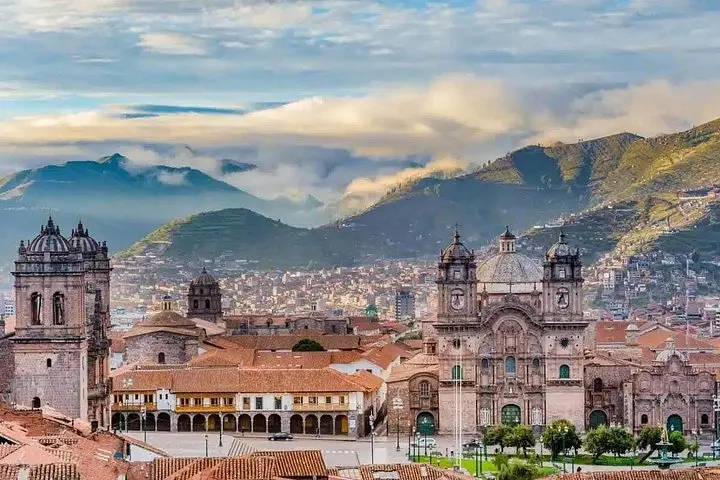
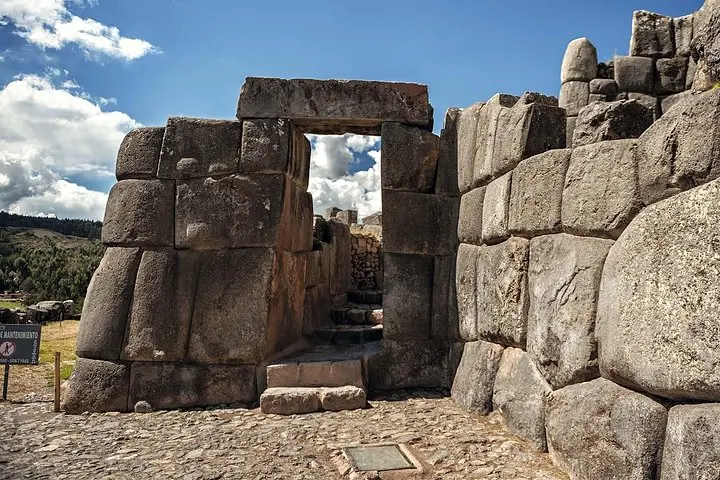
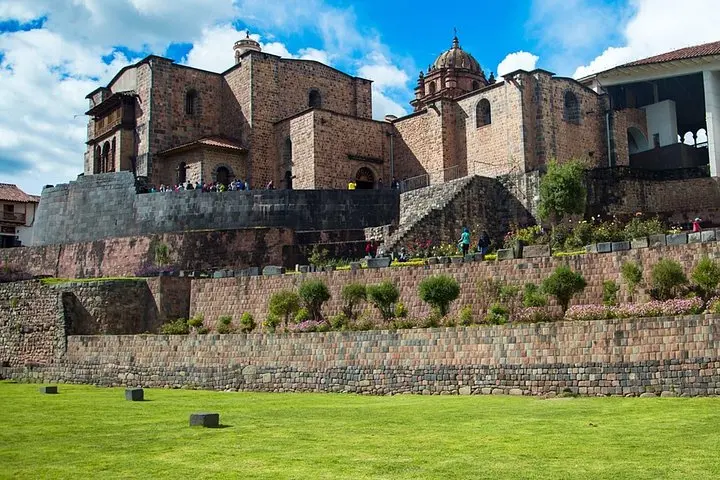
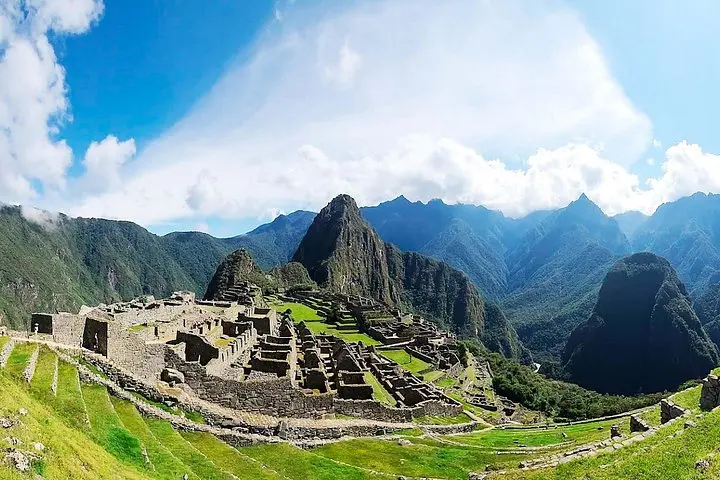
The day begins before dawn in Cusco, the cold air tasting of wood smoke as minibuses thread uphill toward puna grasslands. By sunrise the Andes stretch into serrated ridgelines; the train to Aguas Calientes slips along river canyons while the peaks hold light like a dare. This five‑day route pairs city archaeology with high‑altitude walking: Qoricancha and Sacsayhuamán’s carved stone, a full day at Machu Picchu, a two‑hour ascent to turquoise Humantay Lake (≈4,200 m), and the steep climb to Rainbow Mountain (Vinicunca, ≈5,200 m).
Verified experiences and guided adventures in the surrounding area.
Operated by Amaru Explorer Peru · Cusco, Cusco Region
The day begins before dawn in Cusco, the cold air tasting of wood smoke as minibuses thread uphill toward puna grasslands. By sunrise the Andes stretch into serrated ridgelines; the train to Aguas Calientes slips along river canyons while the peaks hold light like a dare. This five‑day route pairs city archaeology with high‑altitude walking: Qoricancha and Sacsayhuamán’s carved stone, a full day at Machu Picchu, a two‑hour ascent to turquoise Humantay Lake (≈4,200 m), and the steep climb to Rainbow Mountain (Vinicunca, ≈5,200 m).
Cusco sits at roughly 3,400 m and was the Inca capital and ceremonial nexus; the nearby valley geology records uplift, glacial scouring, and mineral bands that dye mountains red and ochre. Machu Picchu perches on a sandstone ridge cut by the Urubamba; Humantay is an alpine moraine lake fed by glacier melt; Rainbow Mountain’s stripes come from iron, copper and other oxidized minerals exposed by erosion.
Practical guidance matters here: allow the first day to acclimatize, carry a lightweight rain shell and sun protection, and expect early departures (3–5 a.m.). Machu Picchu entry is controlled by Peru’s Ministry of Culture—ticket availability varies and may affect itineraries. Hikes are non‑technical but exposure and thin air make pace and hydration vital; trekking poles shorten the climb and layered insulation keeps you comfortable during rapid weather shifts.
Plan for steep uphill sections, exposed wind on ridgelines, and mud in the wet season. With proper pacing and respect for altitude, this package delivers both archaeological depth and high‑altitude alpine drama in one compact itinerary.
Yes. Tickets are issued by Peru’s Ministry of Culture and sell out on peak dates; the operator will attempt to secure available circuits but availability can change—book early and expect specific circuit assignments.
Both are non‑technical but steep; Humantay is roughly a 2‑hour ascent from the parking area and Rainbow Mountain involves sustained uphill walking at higher elevation—both demand steady breathing and pacing.
Possibly—symptoms range from mild headache and fatigue to nausea; acclimatize in Cusco, hydrate, avoid heavy alcohol, and inform guides if symptoms worsen so they can adjust plans.
Typical inclusions are 3‑star hotel, transport, professional guide, entrance fees listed by the operator (Humantay/Rainbow) and lunch in Machu Picchu; Machu Picchu ticket types depend on current availability.
Amaru Explorer Peru operates guided outdoor trips and adventures with an emphasis on safety, stewardship, and memorable experiences.
The day begins before dawn in Cusco, the cold air tasting of wood smoke as minibuses thread uphill toward puna grasslands. By sunrise the Andes stretch into serrated ridgelines; the train to Aguas Calientes slips along river canyons while the peaks hold light like a dare. This five‑day route pairs city archaeology with high‑altitude walking: Qoricancha and Sacsayhuamán’s carved stone, a full day at Machu Picchu, a two‑hour ascent to turquoise Humantay Lake (≈4,200 m), and the steep climb to Rainbow Mountain (Vinicunca, ≈5,200 m).
The day begins before dawn in Cusco, the cold air tasting of wood smoke as minibuses thread uphill toward puna grasslands. By sunrise the Andes stretch into serrated ridgelines; the train to Aguas Calientes slips along river canyons while the peaks hold light like a dare. This five‑day route pairs city archaeology with high‑altitude walking: Qoricancha and Sacsayhuamán’s carved stone, a full day at Machu Picchu, a two‑hour ascent to turquoise Humantay Lake (≈4,200 m), and the steep climb to Rainbow Mountain (Vinicunca, ≈5,200 m).
Cusco sits at roughly 3,400 m and was the Inca capital and ceremonial nexus; the nearby valley geology records uplift, glacial scouring, and mineral bands that dye mountains red and ochre. Machu Picchu perches on a sandstone ridge cut by the Urubamba; Humantay is an alpine moraine lake fed by glacier melt; Rainbow Mountain’s stripes come from iron, copper and other oxidized minerals exposed by erosion.
Practical guidance matters here: allow the first day to acclimatize, carry a lightweight rain shell and sun protection, and expect early departures (3–5 a.m.). Machu Picchu entry is controlled by Peru’s Ministry of Culture—ticket availability varies and may affect itineraries. Hikes are non‑technical but exposure and thin air make pace and hydration vital; trekking poles shorten the climb and layered insulation keeps you comfortable during rapid weather shifts.
Plan for steep uphill sections, exposed wind on ridgelines, and mud in the wet season. With proper pacing and respect for altitude, this package delivers both archaeological depth and high‑altitude alpine drama in one compact itinerary.