THE ADVENTURE COLLECTIVE® · Independent discovery and booking for outdoor travel

A compact five-day loop through Cusco, the Sacred Valley, Machu Picchu and Humantay Lake that combines guided archaeology, high-altitude hiking and train travel. Perfect for travelers who want cultural context, manageable hikes, and iconic Andean scenery.
A compact five-day loop through Cusco, the Sacred Valley, Machu Picchu and Humantay Lake that combines guided archaeology, high-altitude hiking and train travel. Perfect for travelers who want cultural context, manageable hikes, and iconic Andean scenery.
Dawn in Cusco arrives thin and electric—the plaza congeals into pale light while minibuses hum toward the Andes. On this five-day loop travelers move from cobbled colonial streets to high mountain passes, trading city air for the crystalline silence of Humantay Lake and the stone stairways of Machu Picchu.
Verified experiences and guided adventures in the surrounding area.
Operated by MachuPicchu Journey · Cusco, Cusco Region
Dawn in Cusco arrives thin and electric—the plaza congeals into pale light while minibuses hum toward the Andes. On this five-day loop travelers move from cobbled colonial streets to high mountain passes, trading city air for the crystalline silence of Humantay Lake and the stone stairways of Machu Picchu.
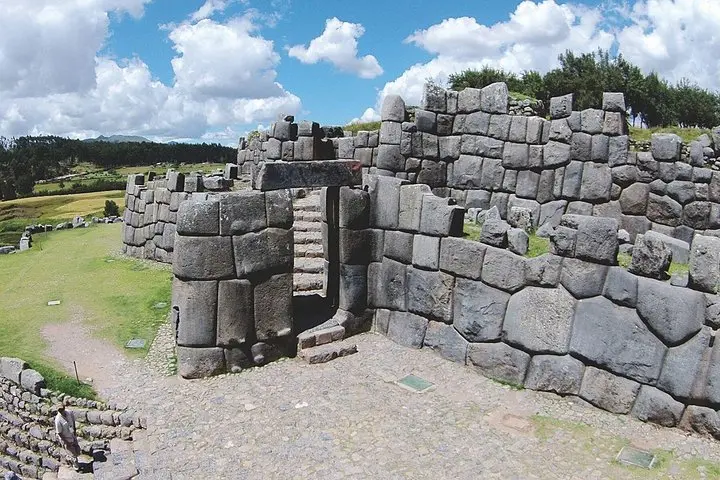
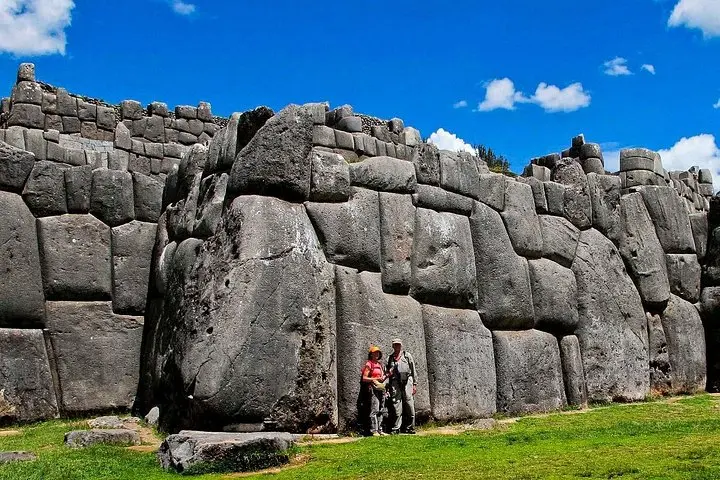
The route threads Inca history with Spanish colonial layers: Koricancha’s polished stone, the defensive terraces of Sacsayhuamán, Pisaq’s agricultural benches and Ollantaytambo’s Sun Temple reveal different chapters of Andean civilization. Geologically the Sacred Valley follows the Urubamba River, carved through uplifted volcanic and metamorphic rock, creating steep terraces that amplify views and microclimates.
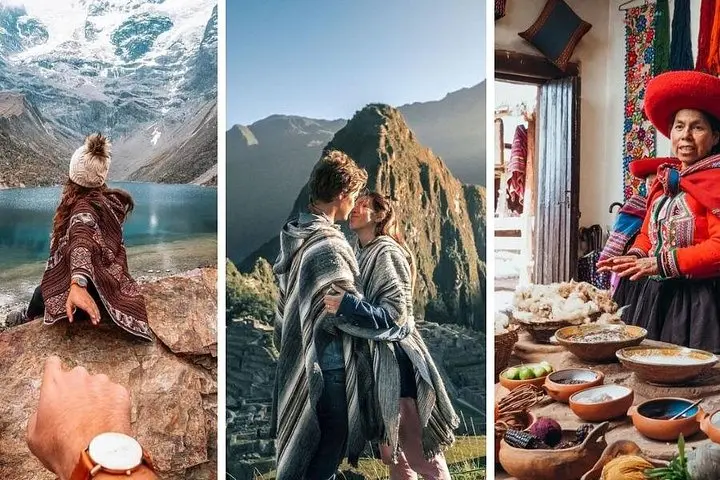
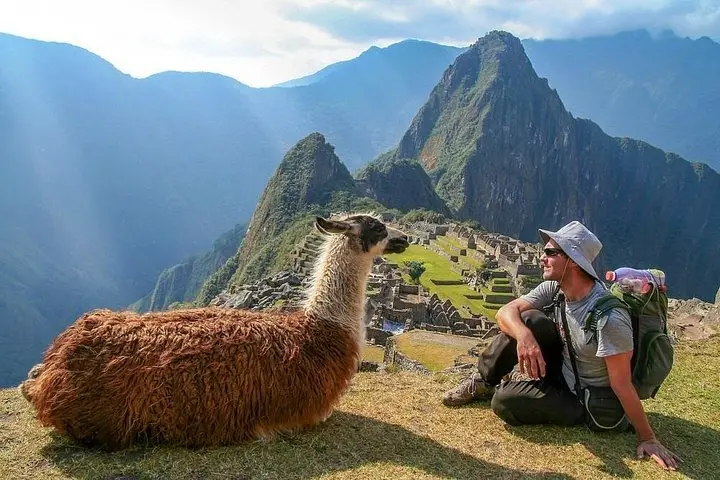
Culture here is tactile—Quechua-speaking farmers, market stalls of alpaca textiles and highland cuisine punctuate the itinerary. Humantay Lake sits beneath a glacier-fed cirque at about 3,870 m (12,700 ft); expect thin air, bright sun and sudden weather shifts. Machu Picchu perches at ≈2,430 m (7,970 ft), where guided walks through agricultural, urban and ritual sectors clarify how the site negotiated steep slopes and water.
Practically, the program packs trains, buses and multiple short hikes: the Humantay approach is a steep 1.5–2 hour ascent on rocky trails; Machu Picchu includes a guided 2–3 hour circuit plus free exploration. Bring layered insulation, sun protection, and small-daypack essentials; plan a slow first day to acclimatize. Hydrate, move deliberately on descents, and carry photocopies of passports for trains and entry. Timing your visit for clear morning weather increases the chance of unobstructed views of the citadel.
The trail is a steep 1.5–2 hour ascent from Soraypampa to the lake at ~3,870 m; it's short but demanding—take your time and use poles if needed.
This itinerary lists Machu Picchu entry as included but subject to availability—confirm ticket type and times before departure.
Major transfers, trains and most luggage movement are handled by the operator; bring a daypack for hikes and essentials.
Yes—symptoms are common at these elevations. Acclimatize in Cusco, hydrate, rest and consider medication after consulting a physician.
MachuPicchu Journey operates guided outdoor trips and adventures with an emphasis on safety, stewardship, and memorable experiences.
Dawn in Cusco arrives thin and electric—the plaza congeals into pale light while minibuses hum toward the Andes. On this five-day loop travelers move from cobbled colonial streets to high mountain passes, trading city air for the crystalline silence of Humantay Lake and the stone stairways of Machu Picchu.
Dawn in Cusco arrives thin and electric—the plaza congeals into pale light while minibuses hum toward the Andes. On this five-day loop travelers move from cobbled colonial streets to high mountain passes, trading city air for the crystalline silence of Humantay Lake and the stone stairways of Machu Picchu.
The route threads Inca history with Spanish colonial layers: Koricancha’s polished stone, the defensive terraces of Sacsayhuamán, Pisaq’s agricultural benches and Ollantaytambo’s Sun Temple reveal different chapters of Andean civilization. Geologically the Sacred Valley follows the Urubamba River, carved through uplifted volcanic and metamorphic rock, creating steep terraces that amplify views and microclimates.
Culture here is tactile—Quechua-speaking farmers, market stalls of alpaca textiles and highland cuisine punctuate the itinerary. Humantay Lake sits beneath a glacier-fed cirque at about 3,870 m (12,700 ft); expect thin air, bright sun and sudden weather shifts. Machu Picchu perches at ≈2,430 m (7,970 ft), where guided walks through agricultural, urban and ritual sectors clarify how the site negotiated steep slopes and water.
Practically, the program packs trains, buses and multiple short hikes: the Humantay approach is a steep 1.5–2 hour ascent on rocky trails; Machu Picchu includes a guided 2–3 hour circuit plus free exploration. Bring layered insulation, sun protection, and small-daypack essentials; plan a slow first day to acclimatize. Hydrate, move deliberately on descents, and carry photocopies of passports for trains and entry. Timing your visit for clear morning weather increases the chance of unobstructed views of the citadel.