THE ADVENTURE COLLECTIVE® · Independent discovery and booking for outdoor travel

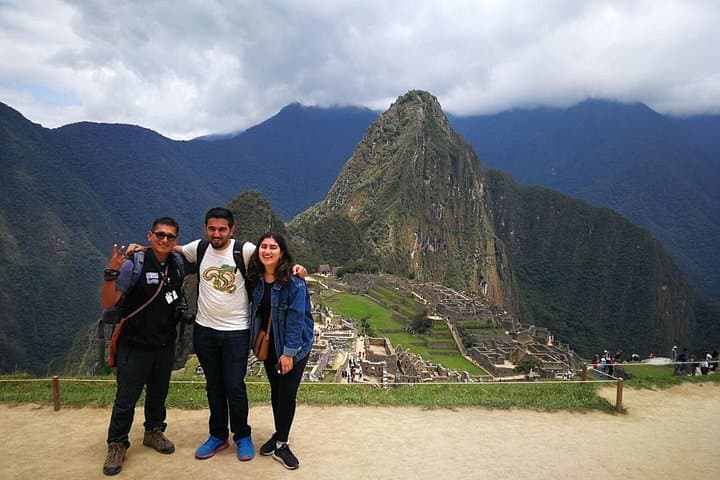
Move from Cusco’s ancient plazas through the agricultural terraces of the Sacred Valley to the terraces and salt pans of Maras and the citadel of Machu Picchu. This five-day guided tour blends history, geology and manageable walking with train and bus transfers.
Move from Cusco’s ancient plazas through the agricultural terraces of the Sacred Valley to the terraces and salt pans of Maras and the citadel of Machu Picchu. This five-day guided tour blends history, geology and manageable walking with train and bus transfers.
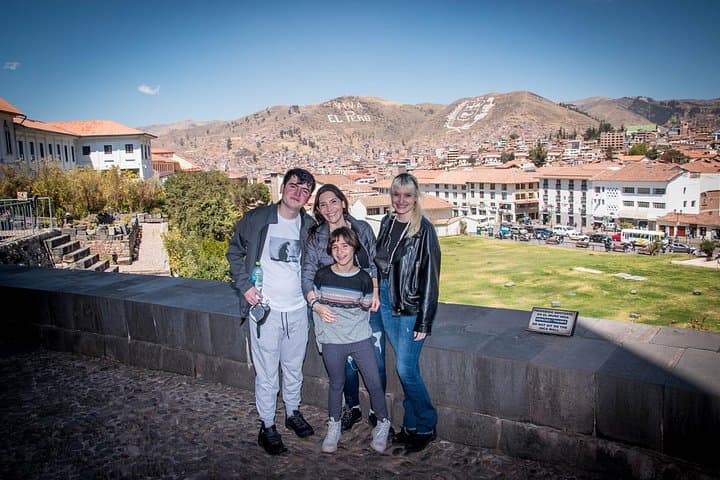
You step out of a thin, cool air into Cusco’s cobbled Plaza de Armas, stone facades catching morning light while vendors tuck alpaca blankets into carts. Over five days you move from high-altitude city streets to terraced farms and the green bowl of Machu Picchu, following Inca roads, train tracks and river valleys that still carry the rhythm of Andean life.
Verified experiences and guided adventures in the surrounding area.
Operated by Kantu Peru Tours · Cusco, Cusco
You step out of a thin, cool air into Cusco’s cobbled Plaza de Armas, stone facades catching morning light while vendors tuck alpaca blankets into carts. Over five days you move from high-altitude city streets to terraced farms and the green bowl of Machu Picchu, following Inca roads, train tracks and river valleys that still carry the rhythm of Andean life.
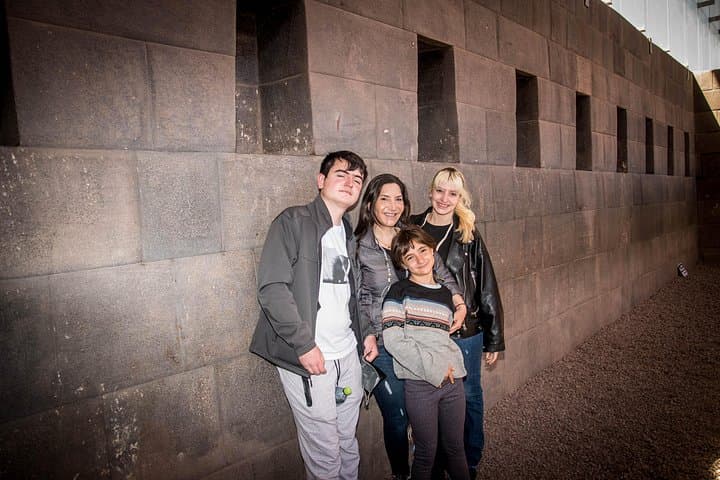
Cusco was the administrative core of the Inca Empire; nearby sites like Sacsayhuamán, Qoricancha and Pisac reveal their masonry, agricultural engineering and ritual spaces. The Sacred Valley’s alluvial soils and predictable microclimates produced maize and quinoa, while Moray’s concentric terraces likely functioned as an experimental agricultural laboratory. At Maras, thousand-year-old salt pans bubble with mineral-rich springs, a living example of human-environment adaptation.
Expect guided walks rather than strenuous mountaineering: city tours involve uneven stone streets, Sacred Valley stops include terraces and short climbs, and Machu Picchu’s official 2-hour guided circuit covers staircases and narrow paths. Trains run between Ollantaytambo and Aguas Calientes; buses shuttle visitors up to the citadel.
Practical notes: carry your passport for Machu Picchu entry, prepare for altitude (rest, hydrate, avoid heavy exertion on day one), and buy Huayna Picchu or Machu Picchu Mountain tickets well in advance if desired. Layered clothing, sun protection and comfortable, grippy footwear make daily transitions—from chilly mornings to warm afternoons—more manageable. With sensible pacing, this itinerary mixes culture, geology and lived Andean traditions into a compact, accessible adventure.
Yes; authorities match ticket names to passport information at the control gate, so bring the original passport used at booking.
Walks are moderate—city tours and archaeological sites involve uneven cobbles and staircases; nothing requires technical climbing but expect sustained walking at altitude.
The itinerary lists round-trip train and the CONSETUR bus to Machu Picchu as included; verify transfer points and times with your operator before travel.
If Circuit 2 is sold out, operators will offer alternate circuits (1 or 3) depending on availability; guides will explain differences on arrival.
Kantu Peru Tours operates guided outdoor trips and adventures with an emphasis on safety, stewardship, and memorable experiences.

You step out of a thin, cool air into Cusco’s cobbled Plaza de Armas, stone facades catching morning light while vendors tuck alpaca blankets into carts. Over five days you move from high-altitude city streets to terraced farms and the green bowl of Machu Picchu, following Inca roads, train tracks and river valleys that still carry the rhythm of Andean life.
You step out of a thin, cool air into Cusco’s cobbled Plaza de Armas, stone facades catching morning light while vendors tuck alpaca blankets into carts. Over five days you move from high-altitude city streets to terraced farms and the green bowl of Machu Picchu, following Inca roads, train tracks and river valleys that still carry the rhythm of Andean life.
Cusco was the administrative core of the Inca Empire; nearby sites like Sacsayhuamán, Qoricancha and Pisac reveal their masonry, agricultural engineering and ritual spaces. The Sacred Valley’s alluvial soils and predictable microclimates produced maize and quinoa, while Moray’s concentric terraces likely functioned as an experimental agricultural laboratory. At Maras, thousand-year-old salt pans bubble with mineral-rich springs, a living example of human-environment adaptation.
Expect guided walks rather than strenuous mountaineering: city tours involve uneven stone streets, Sacred Valley stops include terraces and short climbs, and Machu Picchu’s official 2-hour guided circuit covers staircases and narrow paths. Trains run between Ollantaytambo and Aguas Calientes; buses shuttle visitors up to the citadel.
Practical notes: carry your passport for Machu Picchu entry, prepare for altitude (rest, hydrate, avoid heavy exertion on day one), and buy Huayna Picchu or Machu Picchu Mountain tickets well in advance if desired. Layered clothing, sun protection and comfortable, grippy footwear make daily transitions—from chilly mornings to warm afternoons—more manageable. With sensible pacing, this itinerary mixes culture, geology and lived Andean traditions into a compact, accessible adventure.