THE ADVENTURE COLLECTIVE® · Independent discovery and booking for outdoor travel

Float through primetime Amazonia on a 5-day journey from Quito to Cuyabeno Reserve and back via Papallacta’s hot springs. Expect canoe wildlife watching, a Tarapuy community visit, jungle hikes, and thermal pools to unwind.
Float through primetime Amazonia on a 5-day journey from Quito to Cuyabeno Reserve and back via Papallacta’s hot springs. Expect canoe wildlife watching, a Tarapuy community visit, jungle hikes, and thermal pools to unwind.
You push off at dusk and the river takes your canoe downstream—dark water mirroring a ceiling of green while distant insects draw a steady chorus. In the Cuyabeno Reserve, the jungle feels immediate: trunks rising straight from saturated soil, orchids clinging to branches, and the odd splash as a fisher-sized caiman slips into shadow. By day the forest opens into light-filled clearings where pink river dolphins tumble; by night it tightens into sound and scent.
Verified experiences and guided adventures in the surrounding area.
Operated by Rebecca Adventure Travel · Cuyabeno, Sucumbíos
You push off at dusk and the river takes your canoe downstream—dark water mirroring a ceiling of green while distant insects draw a steady chorus. In the Cuyabeno Reserve, the jungle feels immediate: trunks rising straight from saturated soil, orchids clinging to branches, and the odd splash as a fisher-sized caiman slips into shadow. By day the forest opens into light-filled clearings where pink river dolphins tumble; by night it tightens into sound and scent.
The Cuyabeno basin is part of the western Amazon, carved by river channels over millennia and fed by Andean runoff. Indigenous communities like Tarapuy have lived here for generations, working manioc into casabe and navigating seasonal floods with intimate knowledge of the waterways. The final days at Papallacta shift altitude: volcanic soils and thermal springs east of Quito offer a mineral-soaked reset and an instructive contrast to the lowland rainforest.
Practical guidance: expect long travel days from Quito (roughly 8–10 hours by road + canoe transfers). Accommodations are simple eco-lodge rooms with shared meals; rubber boots and lifejackets are typically provided. Bring waterproof protection for electronics, a reliable headlamp, and insect repellent with DEET. Hydration and sun protection matter during river and lagoon swims; follow guides for wildlife viewing and nocturnal canoe trips—they know where caimans and dolphins concentrate.
Timing matters: river levels change what trails and channels are accessible, and some sightings depend on weather. This trip is low-impact but remote—pack for basic comforts and leave no trace when exploring the jungle and thermal pools.
Most itineraries include private transfer from Quito; expect 8–10 hours by road to the Cuyabeno bridge, then a canoe transfer into the lodge.
The program is family-friendly but involves long transfers and uneven jungle trails—not recommended for travelers with serious mobility limitations or recent spinal injuries.
Common sightings include river dolphins, macaws and other birds, howler and capuchin monkeys, and nocturnal caimans during guided night canoe trips—sightings depend on season and weather.
Lodge meals are communal and based on local ingredients; notify booking operators in advance about allergies or dietary needs so staff can accommodate when possible.
Rebecca Adventure Travel operates guided outdoor trips and adventures with an emphasis on safety, stewardship, and memorable experiences.
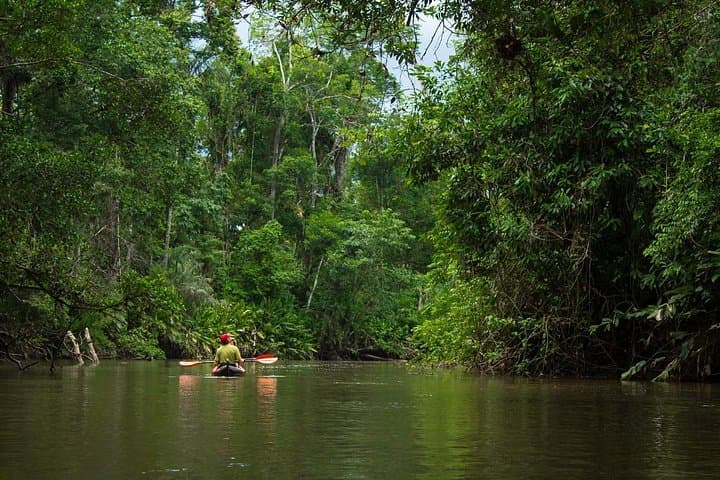


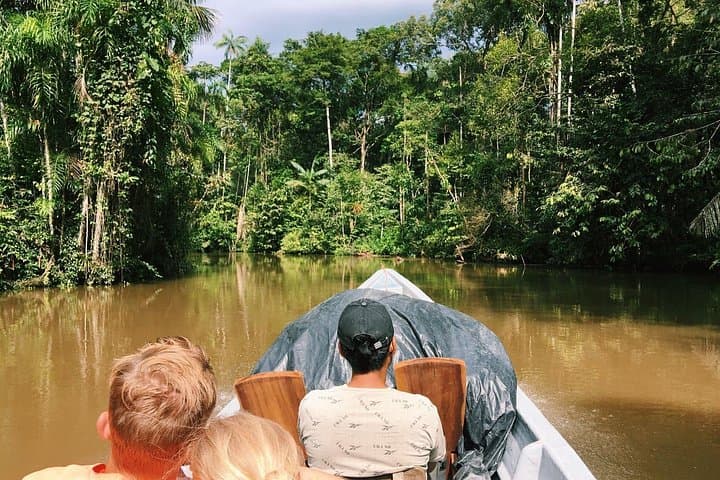
You push off at dusk and the river takes your canoe downstream—dark water mirroring a ceiling of green while distant insects draw a steady chorus. In the Cuyabeno Reserve, the jungle feels immediate: trunks rising straight from saturated soil, orchids clinging to branches, and the odd splash as a fisher-sized caiman slips into shadow. By day the forest opens into light-filled clearings where pink river dolphins tumble; by night it tightens into sound and scent.
You push off at dusk and the river takes your canoe downstream—dark water mirroring a ceiling of green while distant insects draw a steady chorus. In the Cuyabeno Reserve, the jungle feels immediate: trunks rising straight from saturated soil, orchids clinging to branches, and the odd splash as a fisher-sized caiman slips into shadow. By day the forest opens into light-filled clearings where pink river dolphins tumble; by night it tightens into sound and scent.
The Cuyabeno basin is part of the western Amazon, carved by river channels over millennia and fed by Andean runoff. Indigenous communities like Tarapuy have lived here for generations, working manioc into casabe and navigating seasonal floods with intimate knowledge of the waterways. The final days at Papallacta shift altitude: volcanic soils and thermal springs east of Quito offer a mineral-soaked reset and an instructive contrast to the lowland rainforest.
Practical guidance: expect long travel days from Quito (roughly 8–10 hours by road + canoe transfers). Accommodations are simple eco-lodge rooms with shared meals; rubber boots and lifejackets are typically provided. Bring waterproof protection for electronics, a reliable headlamp, and insect repellent with DEET. Hydration and sun protection matter during river and lagoon swims; follow guides for wildlife viewing and nocturnal canoe trips—they know where caimans and dolphins concentrate.
Timing matters: river levels change what trails and channels are accessible, and some sightings depend on weather. This trip is low-impact but remote—pack for basic comforts and leave no trace when exploring the jungle and thermal pools.