THE ADVENTURE COLLECTIVE® · Independent discovery and booking for outdoor travel

Slow the pace and let the Nile carry you between Luxor and Aswan on a 5-day dahabiya cruise. Visit Karnak, the Valley of the Kings, Edfu, Kom Ombo and Philae while enjoying full-board comfort and guided shore visits.
Slow the pace and let the Nile carry you between Luxor and Aswan on a 5-day dahabiya cruise. Visit Karnak, the Valley of the Kings, Edfu, Kom Ombo and Philae while enjoying full-board comfort and guided shore visits.
Dawn on the Nile feels deliberate: a low sun bathes sandstone pylons as the dahabiya slips from the riverbank and the current nudges the hull south. On this five-day itinerary you cross Egypt’s living artery between Luxor and Aswan, trading desert road time for slow-moving water, shaded decks, and laddered stone temples that rise from palm-fringed banks.
Verified experiences and guided adventures in the surrounding area.
Operated by Egypt Best Day Tours · Luxor, Luxor Governorate
Dawn on the Nile feels deliberate: a low sun bathes sandstone pylons as the dahabiya slips from the riverbank and the current nudges the hull south. On this five-day itinerary you cross Egypt’s living artery between Luxor and Aswan, trading desert road time for slow-moving water, shaded decks, and laddered stone temples that rise from palm-fringed banks.
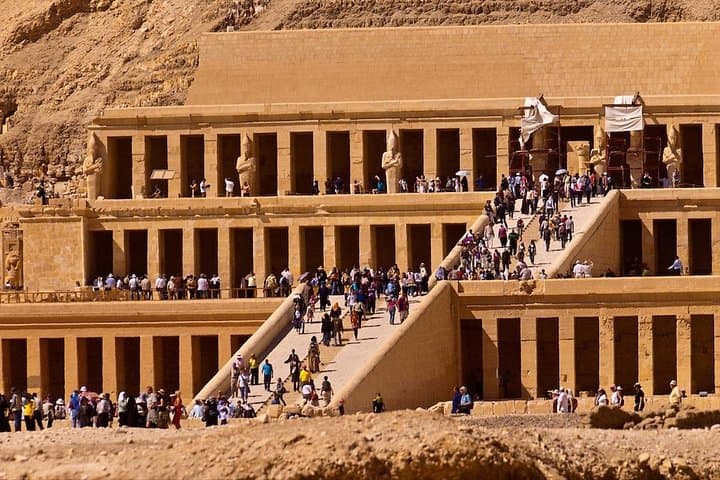
The route threads New Kingdom powerhouses—Karnak and Luxor—then moves past the Valley of the Kings and Hatshepsut’s terraced mortuary temple, before stopping at Edfu’s remarkably intact Temple of Horus and Kom Ombo’s dual shrines. Philae, rebuilt on Agilika Island during UNESCO’s rescue from the 1960s dam projects, is the cultural peak: its colonnades and reliefs speak to millennia of ritual and Nile-driven economy.
Geologically the Nile carved a fertile corridor through Nubian and Nilotic deposits, creating islands and floodplain soils that supported ancient settlement and the stone quarrying that built these monuments. Culturally, expect layers: pharaonic state religion, Coptic vestiges, and modern Nubian communities who still fish and farm along the banks.
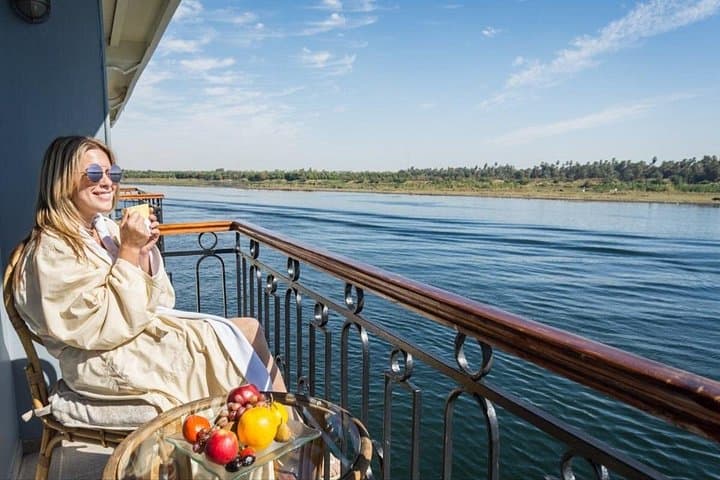
Practically: plan early starts to avoid heat at open sites, keep photocopies of travel documents handy for transfers, and carry small-denomination Egyptian pounds for entrance supplements, local guides, and tips. Footwear should be sturdy enough for uneven temple steps and comfortable for dock landings. Hydrate thoroughly—the sun is relentless—yet mornings and evenings onboard are pleasantly cool. The trip balances easy onboard living with active, often hot, days ashore: pack accordingly and let the Nile set the pace.
Full board (breakfast, lunch, dinner) is included aboard the dahabiya; soft drinks and speciality items may be extra—confirm specifics with the operator.
Many nationalities require an Egyptian visa; check entry requirements before travel and carry passport copies and the printed e-visa or stamping receipt.
Standard entrances are usually not included in tour price—budget extra for site tickets and any optional tomb permits (e.g., specific tombs in the Valley of the Kings).
Yes—this dahabiya option is paced and suitable for a wide range of ages, though participants should manage boarding steps and temple walks.
Egypt Best Day Tours operates guided outdoor trips and adventures with an emphasis on safety, stewardship, and memorable experiences.
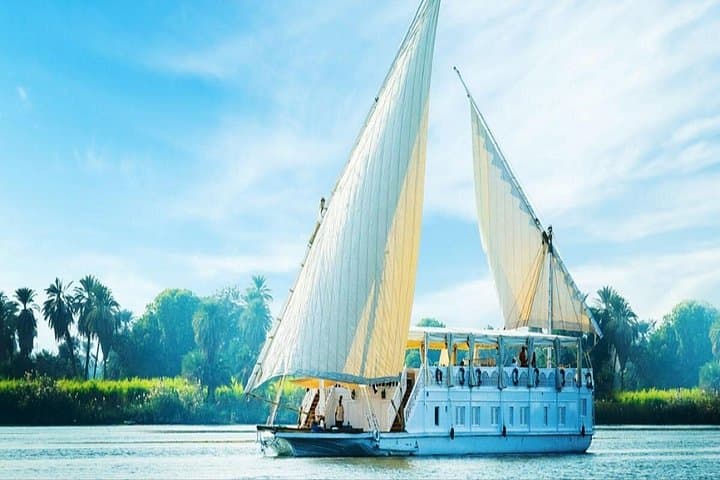
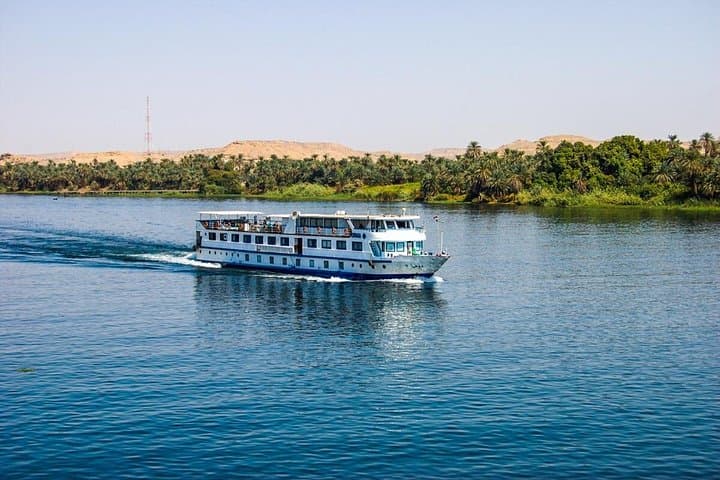
Dawn on the Nile feels deliberate: a low sun bathes sandstone pylons as the dahabiya slips from the riverbank and the current nudges the hull south. On this five-day itinerary you cross Egypt’s living artery between Luxor and Aswan, trading desert road time for slow-moving water, shaded decks, and laddered stone temples that rise from palm-fringed banks.
Dawn on the Nile feels deliberate: a low sun bathes sandstone pylons as the dahabiya slips from the riverbank and the current nudges the hull south. On this five-day itinerary you cross Egypt’s living artery between Luxor and Aswan, trading desert road time for slow-moving water, shaded decks, and laddered stone temples that rise from palm-fringed banks.
The route threads New Kingdom powerhouses—Karnak and Luxor—then moves past the Valley of the Kings and Hatshepsut’s terraced mortuary temple, before stopping at Edfu’s remarkably intact Temple of Horus and Kom Ombo’s dual shrines. Philae, rebuilt on Agilika Island during UNESCO’s rescue from the 1960s dam projects, is the cultural peak: its colonnades and reliefs speak to millennia of ritual and Nile-driven economy.
Geologically the Nile carved a fertile corridor through Nubian and Nilotic deposits, creating islands and floodplain soils that supported ancient settlement and the stone quarrying that built these monuments. Culturally, expect layers: pharaonic state religion, Coptic vestiges, and modern Nubian communities who still fish and farm along the banks.
Practically: plan early starts to avoid heat at open sites, keep photocopies of travel documents handy for transfers, and carry small-denomination Egyptian pounds for entrance supplements, local guides, and tips. Footwear should be sturdy enough for uneven temple steps and comfortable for dock landings. Hydrate thoroughly—the sun is relentless—yet mornings and evenings onboard are pleasantly cool. The trip balances easy onboard living with active, often hot, days ashore: pack accordingly and let the Nile set the pace.