THE ADVENTURE COLLECTIVE® · Independent discovery and booking for outdoor travel

Sail the Nile aboard a traditional dahabiya from Luxor to Aswan over five days, visiting the Valley of the Kings, Karnak, Edfu, Kom Ombo and Philae. This slow river voyage combines archaeological highlights with comfortable onboard nights and expert Egyptologist commentary.
Sail the Nile aboard a traditional dahabiya from Luxor to Aswan over five days, visiting the Valley of the Kings, Karnak, Edfu, Kom Ombo and Philae. This slow river voyage combines archaeological highlights with comfortable onboard nights and expert Egyptologist commentary.
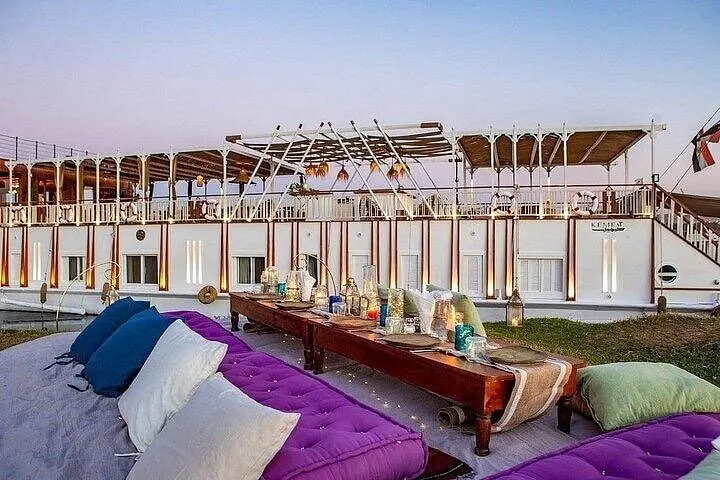
The dahabiya glides away from Luxor as the city’s minarets and temple pylons shrink into ochre and palm-fringed shoreline. On deck the Nile breathes cool air across the sun-baked stone, villages slip by like pages, and the slow rhythm of sailing sets the pace for five days of archaeology and river life.
Verified experiences and guided adventures in the surrounding area.
Operated by Roxana Travel · Luxor, Luxor Governorate
The dahabiya glides away from Luxor as the city’s minarets and temple pylons shrink into ochre and palm-fringed shoreline. On deck the Nile breathes cool air across the sun-baked stone, villages slip by like pages, and the slow rhythm of sailing sets the pace for five days of archaeology and river life.
This voyage traces the heart of Upper Egypt: the Valley of the Kings and Hatshepsut’s mortuary temple, the hypostyle hush of Karnak, the Ptolemaic precision of Edfu and Kom Ombo, ending among Aswan’s granite quarries and the island temples of Philae. Geologically the trip follows the Nile’s sedimentary corridor carved through sandstone and granite, where ancient masons quarried obelisks and temples from living rock. Culturally you’ll encounter modern Nubian villages and the layered history of pharaonic, Ptolemaic, and Roman presences stacked along the riverbank.
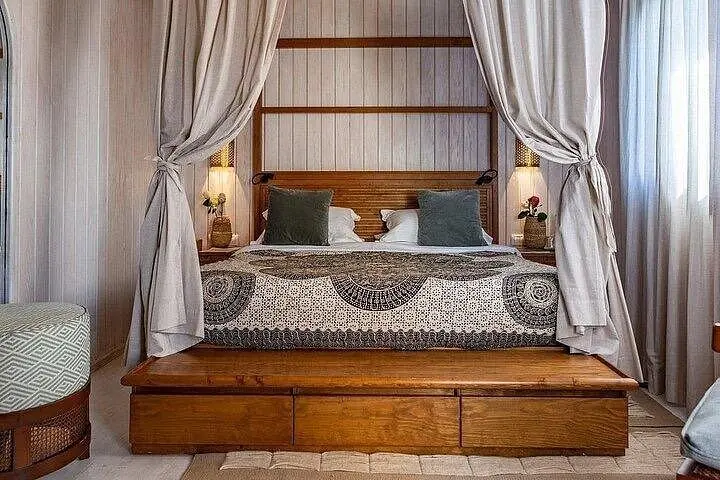
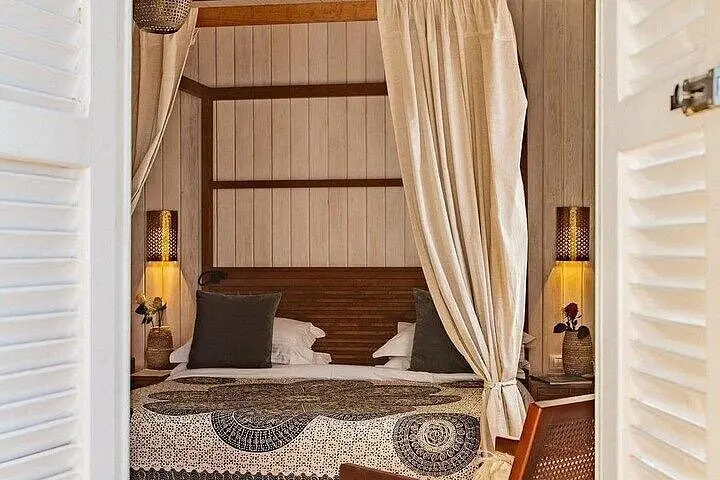
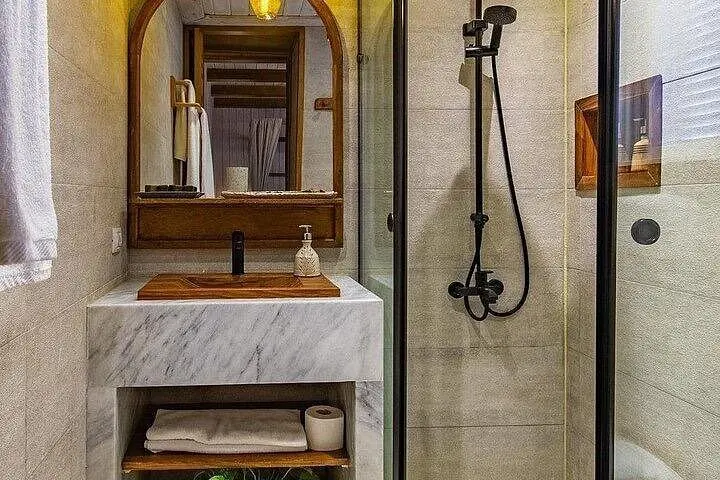
Practical guide: expect light-to-moderate walking over uneven stone, short boat transfers to island temples, and daily excursions led by an Egyptologist. Accommodations are four nights aboard a five-star dahabiya with full board included; mornings and dusk are best for sightseeing to avoid peak sun. Bring breathable layers, sturdy walking shoes, sun protection, and a refillable bottle for long temple walks. Respect restrictions inside tombs (no flash photography in many sites), listen to guides about fragile surfaces, and budget extra time for security and ticket lines. By traveling slowly on a dahabiya you trade fuss for atmosphere — the river will push you forward at its own measured pace.
The cruise itself is relaxed; daily shore excursions involve moderate walking, stairs and uneven surfaces—average mobility is sufficient.
Yes—entrance fees to listed sites and full board (breakfast, lunch, dinner) for four nights onboard are included in the package.
Many nationalities require a visa for Egypt—check the current Egyptian consulate guidance and obtain a tourist visa before travel if required.
Access to tomb interiors depends on the site and may restrict photography or flash—follow your Egyptologist’s instructions and site rules.
Roxana Travel operates guided outdoor trips and adventures with an emphasis on safety, stewardship, and memorable experiences.
The dahabiya glides away from Luxor as the city’s minarets and temple pylons shrink into ochre and palm-fringed shoreline. On deck the Nile breathes cool air across the sun-baked stone, villages slip by like pages, and the slow rhythm of sailing sets the pace for five days of archaeology and river life.
The dahabiya glides away from Luxor as the city’s minarets and temple pylons shrink into ochre and palm-fringed shoreline. On deck the Nile breathes cool air across the sun-baked stone, villages slip by like pages, and the slow rhythm of sailing sets the pace for five days of archaeology and river life.
This voyage traces the heart of Upper Egypt: the Valley of the Kings and Hatshepsut’s mortuary temple, the hypostyle hush of Karnak, the Ptolemaic precision of Edfu and Kom Ombo, ending among Aswan’s granite quarries and the island temples of Philae. Geologically the trip follows the Nile’s sedimentary corridor carved through sandstone and granite, where ancient masons quarried obelisks and temples from living rock. Culturally you’ll encounter modern Nubian villages and the layered history of pharaonic, Ptolemaic, and Roman presences stacked along the riverbank.
Practical guide: expect light-to-moderate walking over uneven stone, short boat transfers to island temples, and daily excursions led by an Egyptologist. Accommodations are four nights aboard a five-star dahabiya with full board included; mornings and dusk are best for sightseeing to avoid peak sun. Bring breathable layers, sturdy walking shoes, sun protection, and a refillable bottle for long temple walks. Respect restrictions inside tombs (no flash photography in many sites), listen to guides about fragile surfaces, and budget extra time for security and ticket lines. By traveling slowly on a dahabiya you trade fuss for atmosphere — the river will push you forward at its own measured pace.