THE ADVENTURE COLLECTIVE® · Independent discovery and booking for outdoor travel

Pair the devotional stillness of Lalibela’s rock-hewn churches with the otherworldly geology of the Denakil Depression on this 5-day guided loop. Expect long drives, overnight camping at Erta Ale, salt flats, and intimate cultural encounters.
Pair the devotional stillness of Lalibela’s rock-hewn churches with the otherworldly geology of the Denakil Depression on this 5-day guided loop. Expect long drives, overnight camping at Erta Ale, salt flats, and intimate cultural encounters.
Dawn breaks over Lalibela and the air smells faintly of coffee and dust; you step from a narrow lane into a courtyard of rock-hewn doorways, then a few days later the same sun will beat down on salt flats where camels queue like patient lines on a conveyor belt.
Verified experiences and guided adventures in the surrounding area.
Operated by The Local Side of Ethiopia · Lalibela, Amhara Region
Dawn breaks over Lalibela and the air smells faintly of coffee and dust; you step from a narrow lane into a courtyard of rock-hewn doorways, then a few days later the same sun will beat down on salt flats where camels queue like patient lines on a conveyor belt.
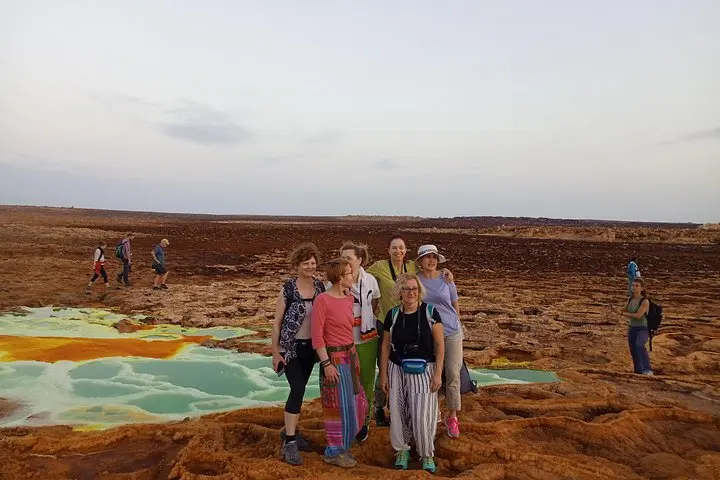
This five-day loop pairs Ethiopia’s highland devotion with the earth’s raw interior. Lalibela’s 12th-century monolithic churches were carved from living rock under Zagwe rulers; each doorway and tunnel still channels morning prayers. The itinerary then descends across the highlands to the Afar lowlands where Erta Ale — a shield volcano with one of the world’s rare permanent lava lakes — breathes and roils, and Dallol lays down neon terraces from hydrothermal salts.
Geology and culture are inseparable here: ancient trade routes moved salt and ideas, and Afar miners still cut salt into bricks by hand. The landscapes demand attention — heat will press at your skin, wind will push fine salt crystals across your path, and the lava will glow like a living furnace.
Practicalities matter. Expect long drives on rough roads, short but steep night treks to the Erta Ale rim, and basic camping in remote sites. Travel with a licensed guide, carry generous water (and a filter if you prefer), and pack layered, breathable clothing for hot days and cooler nights. Start Lalibela early to avoid crowds at the churches, time Erta Ale’s rim vigil for sunset and the hours after dark, and allow a day to acclimatize before heavy exertion. Respect local customs: modest dress in Lalibela and patience around salt-mining operations. With preparation, the trip offers sharp contrasts — sacred stone, boiling earth, and a people whose livelihoods are written into the land.
Visits are generally safe when accompanied by experienced local guides and operators who handle permits, security, and the challenging logistics; follow guide instructions and avoid venturing off established routes.
The final trek is short (30–60 minutes) but steep over lava and scree at night; it requires sure-footedness and steady pace more than technical climbing skills.
Standard travel vaccines are recommended; bring medications for heat, rehydration salts, and consult a doctor about altitude advice for highland arrivals — carry any personal prescriptions.
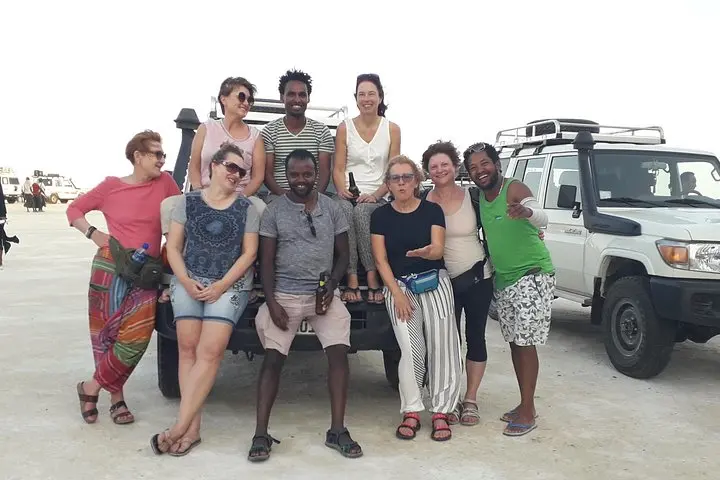
Typical inclusions are guided tours in Lalibela, transport in air-conditioned vehicles, some meals, bottled water, local guides for Denakil, and basic camping accommodation as listed — confirm specifics with the operator.
The Local Side of Ethiopia operates guided outdoor trips and adventures with an emphasis on safety, stewardship, and memorable experiences.

Dawn breaks over Lalibela and the air smells faintly of coffee and dust; you step from a narrow lane into a courtyard of rock-hewn doorways, then a few days later the same sun will beat down on salt flats where camels queue like patient lines on a conveyor belt.
Dawn breaks over Lalibela and the air smells faintly of coffee and dust; you step from a narrow lane into a courtyard of rock-hewn doorways, then a few days later the same sun will beat down on salt flats where camels queue like patient lines on a conveyor belt.
This five-day loop pairs Ethiopia’s highland devotion with the earth’s raw interior. Lalibela’s 12th-century monolithic churches were carved from living rock under Zagwe rulers; each doorway and tunnel still channels morning prayers. The itinerary then descends across the highlands to the Afar lowlands where Erta Ale — a shield volcano with one of the world’s rare permanent lava lakes — breathes and roils, and Dallol lays down neon terraces from hydrothermal salts.
Geology and culture are inseparable here: ancient trade routes moved salt and ideas, and Afar miners still cut salt into bricks by hand. The landscapes demand attention — heat will press at your skin, wind will push fine salt crystals across your path, and the lava will glow like a living furnace.
Practicalities matter. Expect long drives on rough roads, short but steep night treks to the Erta Ale rim, and basic camping in remote sites. Travel with a licensed guide, carry generous water (and a filter if you prefer), and pack layered, breathable clothing for hot days and cooler nights. Start Lalibela early to avoid crowds at the churches, time Erta Ale’s rim vigil for sunset and the hours after dark, and allow a day to acclimatize before heavy exertion. Respect local customs: modest dress in Lalibela and patience around salt-mining operations. With preparation, the trip offers sharp contrasts — sacred stone, boiling earth, and a people whose livelihoods are written into the land.