THE ADVENTURE COLLECTIVE® · Independent discovery and booking for outdoor travel

Five days across Egypt’s western oases—El Bahariya, El Farafra, El Kharga and El Dakhla—combine wind‑sculpted deserts, Roman and Pharaonic sites, hot springs and nights under stars. This private package includes transport, guides, meals and camping.
Five days across Egypt’s western oases—El Bahariya, El Farafra, El Kharga and El Dakhla—combine wind‑sculpted deserts, Roman and Pharaonic sites, hot springs and nights under stars. This private package includes transport, guides, meals and camping.
You step out of the air‑conditioned vehicle into a silence that feels deliberate; wind sculpts the sand and the chalky silhouettes of the White Desert loom like slow-moving sculptures. The first day’s drive from Cairo unfolds across flat, mineral plains until the Black Desert’s basalt ridges appear, dark and angular against the pale horizon. Nights are wide and cold, days sun‑bright and blistering — the desert insists on attention.
Verified experiences and guided adventures in the surrounding area.
Operated by Emo Tours Sweden · El Bahariya Oasis, New Valley Governorate
You step out of the air‑conditioned vehicle into a silence that feels deliberate; wind sculpts the sand and the chalky silhouettes of the White Desert loom like slow-moving sculptures. The first day’s drive from Cairo unfolds across flat, mineral plains until the Black Desert’s basalt ridges appear, dark and angular against the pale horizon. Nights are wide and cold, days sun‑bright and blistering — the desert insists on attention.
These oases—El Bahariya, El Farafra, El Kharga and El Dakhla—have been waypoints for caravans, Roman administrators and Pharaonic pilgrims. Geologically, the chalk and limestone of the White Desert are wind‑carved gypsum and marl; Crystal Mountain owes its shimmer to quartz and iron deposits exposed by erosion. Culturally, Bedouin camps and small village museums like Badr preserve crafts and stories that modern roads almost bypass.
Practically, expect long drives between sites, short walks among formations, evening camps with simple facilities, and guided visits to the Temple of Hibis and Deir El Hagar. Hydration and sun protection are nonnegotiable; temperatures swing hard between day and night. Take layers for cool nights, sturdy boots for gypsum riprap, and a small flashlight for wandering between tents.
This private itinerary bundles transport, most meals and permits, letting you focus on the landscape: crystalline rocks that catch the sun, thermal pools in Farafra that invite a pause, and mud‑brick alleys in Al‑Qasr that feel lived in. Move deliberately, tread lightly, and the Western Desert gives up its quiet rewards.
The itinerary is rated easy—most exploration is short, guided walks; however, there are several long road transfers between oases.
Overnight stays are primarily in basic, organized desert camps with mattresses and communal facilities; expect simple showers and shared toilets at some stops.
Most breakfasts, lunches and dinners are included; potable water is provided, but bring a refillable bottle for day use.
The operator notes it’s suitable for most ages, but it’s not recommended for pregnant travelers; check medical needs and long‑drive tolerance for young children.
Emo Tours Sweden operates guided outdoor trips and adventures with an emphasis on safety, stewardship, and memorable experiences.
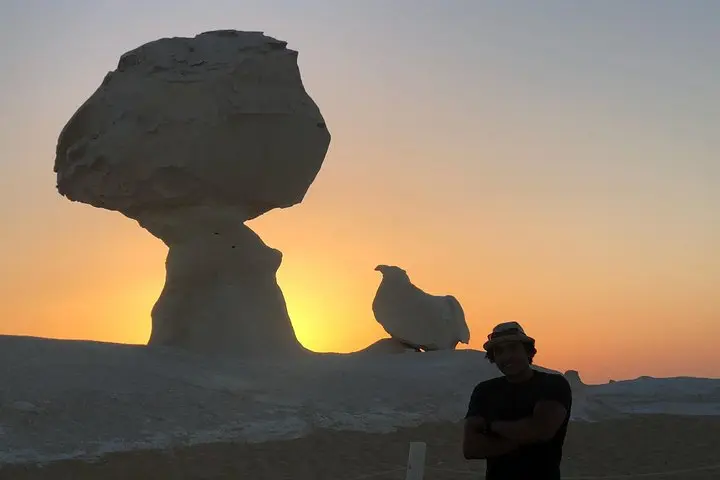
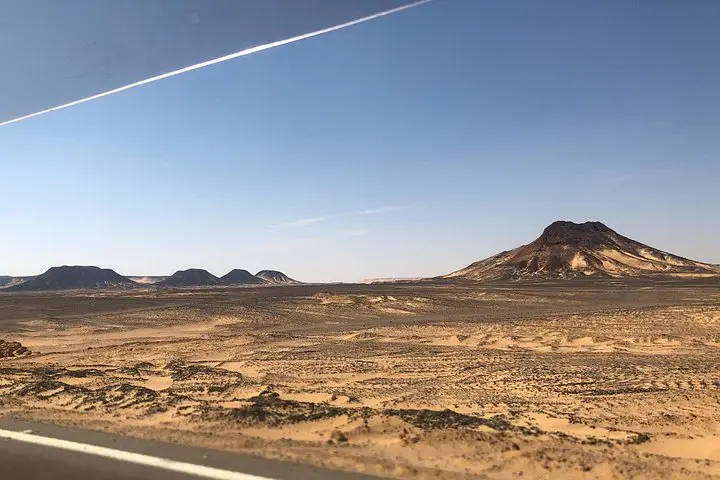
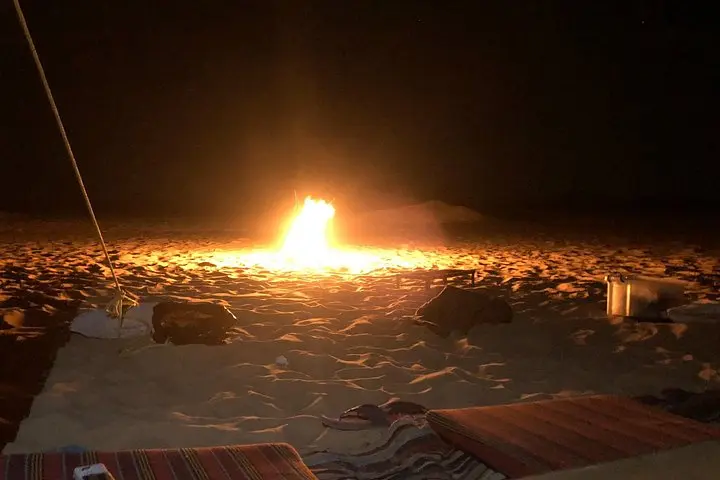
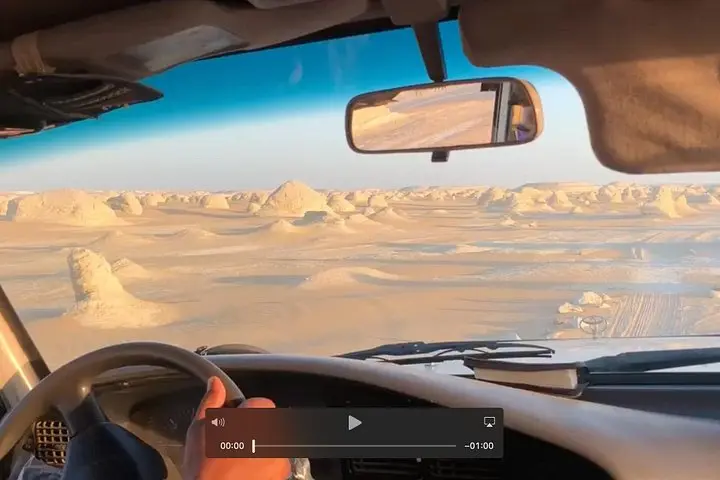
You step out of the air‑conditioned vehicle into a silence that feels deliberate; wind sculpts the sand and the chalky silhouettes of the White Desert loom like slow-moving sculptures. The first day’s drive from Cairo unfolds across flat, mineral plains until the Black Desert’s basalt ridges appear, dark and angular against the pale horizon. Nights are wide and cold, days sun‑bright and blistering — the desert insists on attention.
You step out of the air‑conditioned vehicle into a silence that feels deliberate; wind sculpts the sand and the chalky silhouettes of the White Desert loom like slow-moving sculptures. The first day’s drive from Cairo unfolds across flat, mineral plains until the Black Desert’s basalt ridges appear, dark and angular against the pale horizon. Nights are wide and cold, days sun‑bright and blistering — the desert insists on attention.
These oases—El Bahariya, El Farafra, El Kharga and El Dakhla—have been waypoints for caravans, Roman administrators and Pharaonic pilgrims. Geologically, the chalk and limestone of the White Desert are wind‑carved gypsum and marl; Crystal Mountain owes its shimmer to quartz and iron deposits exposed by erosion. Culturally, Bedouin camps and small village museums like Badr preserve crafts and stories that modern roads almost bypass.
Practically, expect long drives between sites, short walks among formations, evening camps with simple facilities, and guided visits to the Temple of Hibis and Deir El Hagar. Hydration and sun protection are nonnegotiable; temperatures swing hard between day and night. Take layers for cool nights, sturdy boots for gypsum riprap, and a small flashlight for wandering between tents.
This private itinerary bundles transport, most meals and permits, letting you focus on the landscape: crystalline rocks that catch the sun, thermal pools in Farafra that invite a pause, and mud‑brick alleys in Al‑Qasr that feel lived in. Move deliberately, tread lightly, and the Western Desert gives up its quiet rewards.