THE ADVENTURE COLLECTIVE® · Independent discovery and booking for outdoor travel

A compact, guided five-day route through Cusco, the Sacred Valley and Machu Picchu that blends Inca archaeology with colonial culture. Expect high-altitude walking, controlled Machu Picchu entry windows, and a steady rhythm of history and landscape.
A compact, guided five-day route through Cusco, the Sacred Valley and Machu Picchu that blends Inca archaeology with colonial culture. Expect high-altitude walking, controlled Machu Picchu entry windows, and a steady rhythm of history and landscape.
You step off the plane into thin air and cold light—Cusco’s cobbled streets rise and fall like living memory. Mountain air pulls at your lungs, and the Urubamba River below the Sacred Valley dares you to follow where the Incas once walked.
Verified experiences and guided adventures in the surrounding area.
Operated by VIPAC Travel · Cusco, Cusco
You step off the plane into thin air and cold light—Cusco’s cobbled streets rise and fall like living memory. Mountain air pulls at your lungs, and the Urubamba River below the Sacred Valley dares you to follow where the Incas once walked.
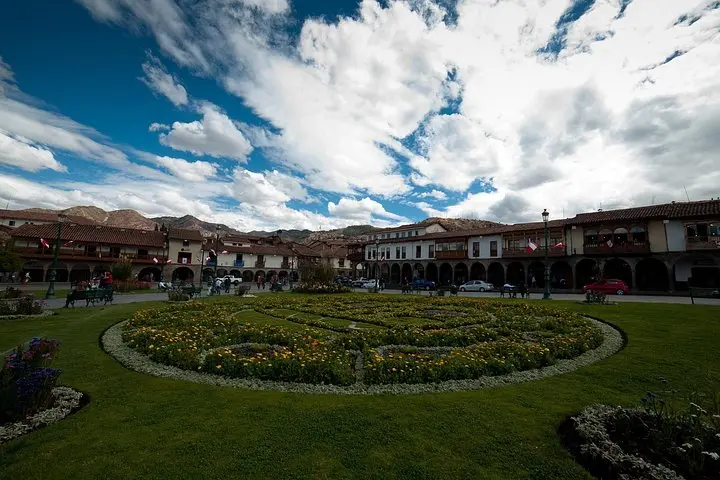
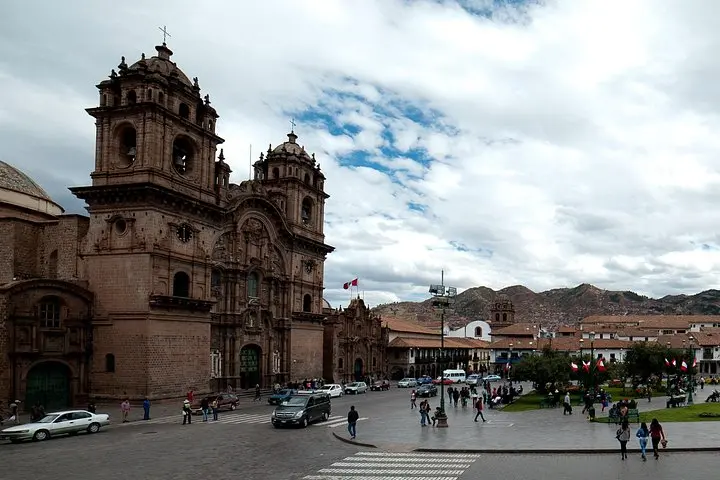
Over five days the route threads colonial plazas and high-altitude agricultural experiments: Sacsayhuamán’s massive stonework, Tambomachay’s sacred fountains, and the concentric amphitheater of Moray where Inca engineers modeled microclimates. Geologically, the landscape is young and steep—folded Andean volcanic rock carved by the Urubamba; terraces cling to slopes to hold soil and water.
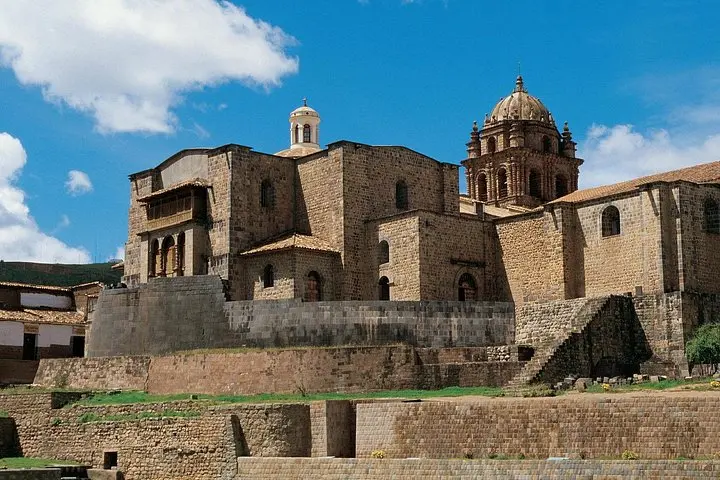
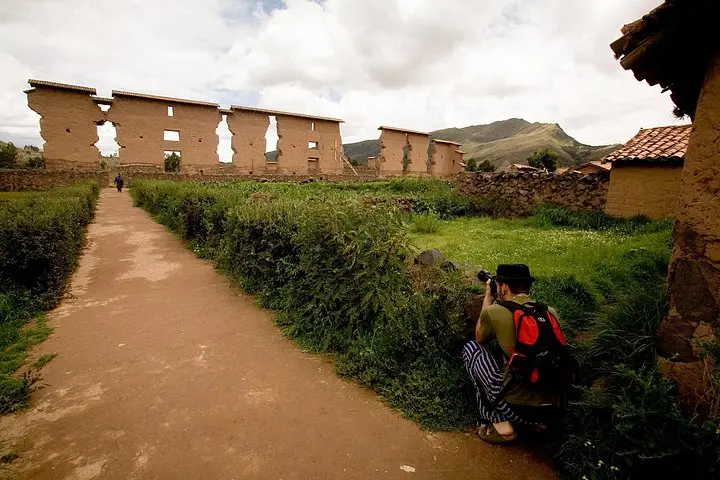
Culture arrives in layers: Quechua customs persist in market stalls and textile patterns, while Spanish baroque sits atop Inca foundations in Koricancha. Small towns like Ollantaytambo still function as living Inca settlements, and Aguas Calientes (Machu Picchu town) is the practical base for the citadel’s sunrise crowds.
Practical guidance: plan for altitude—spend your first day slow, hydrate liberally, and avoid heavy exertion until you acclimatize. Weather shifts fast: expect sun, wind, and afternoon rain showers in the wet season (Nov–Mar). Machu Picchu operates strict entry windows and non-refundable tickets—book them to the minute.
Footing is uneven; bring sturdy shoes, layered clothing, and a small daypack for water, snacks, and your passport (required for entrance). Travel windows are long but manageable with guided transfers; this itinerary balances cultural depth with accessible walking at altitude, offering an immersive, organized route through the heart of the Inca world.
This tour includes transfers to Machu Picchu but entrance tickets are strictly non-refundable and date changes typically require purchasing a new ticket.
No special fitness is required, but you should be comfortable walking up to a few hours at a time on uneven surfaces and be prepared for high elevation.
Acclimatize gradually, stay hydrated, avoid heavy meals and alcohol on arrival, and consider medication like acetazolamide only after consulting your doctor.
Cusco and many Sacred Valley hotels have Wi‑Fi; service on trains and in Aguas Calientes is limited and can be slow.
VIPAC Travel operates guided outdoor trips and adventures with an emphasis on safety, stewardship, and memorable experiences.
You step off the plane into thin air and cold light—Cusco’s cobbled streets rise and fall like living memory. Mountain air pulls at your lungs, and the Urubamba River below the Sacred Valley dares you to follow where the Incas once walked.
You step off the plane into thin air and cold light—Cusco’s cobbled streets rise and fall like living memory. Mountain air pulls at your lungs, and the Urubamba River below the Sacred Valley dares you to follow where the Incas once walked.
Over five days the route threads colonial plazas and high-altitude agricultural experiments: Sacsayhuamán’s massive stonework, Tambomachay’s sacred fountains, and the concentric amphitheater of Moray where Inca engineers modeled microclimates. Geologically, the landscape is young and steep—folded Andean volcanic rock carved by the Urubamba; terraces cling to slopes to hold soil and water.
Culture arrives in layers: Quechua customs persist in market stalls and textile patterns, while Spanish baroque sits atop Inca foundations in Koricancha. Small towns like Ollantaytambo still function as living Inca settlements, and Aguas Calientes (Machu Picchu town) is the practical base for the citadel’s sunrise crowds.
Practical guidance: plan for altitude—spend your first day slow, hydrate liberally, and avoid heavy exertion until you acclimatize. Weather shifts fast: expect sun, wind, and afternoon rain showers in the wet season (Nov–Mar). Machu Picchu operates strict entry windows and non-refundable tickets—book them to the minute.
Footing is uneven; bring sturdy shoes, layered clothing, and a small daypack for water, snacks, and your passport (required for entrance). Travel windows are long but manageable with guided transfers; this itinerary balances cultural depth with accessible walking at altitude, offering an immersive, organized route through the heart of the Inca world.