THE ADVENTURE COLLECTIVE® · Independent discovery and booking for outdoor travel

A compact five-day loop through Ethiopia’s highlands: museums and markets in Addis, island monasteries on Lake Tana, the thunder of the Blue Nile, castle streets of Gondar, alpine plateaus of the Simiens and the unforgettable rock churches of Lalibela. Practical, high-altitude cultural and nature travel.
A compact five-day loop through Ethiopia’s highlands: museums and markets in Addis, island monasteries on Lake Tana, the thunder of the Blue Nile, castle streets of Gondar, alpine plateaus of the Simiens and the unforgettable rock churches of Lalibela. Practical, high-altitude cultural and nature travel.
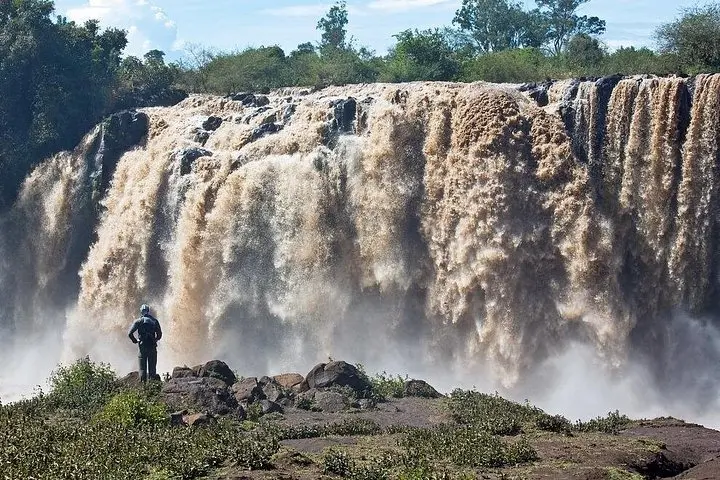
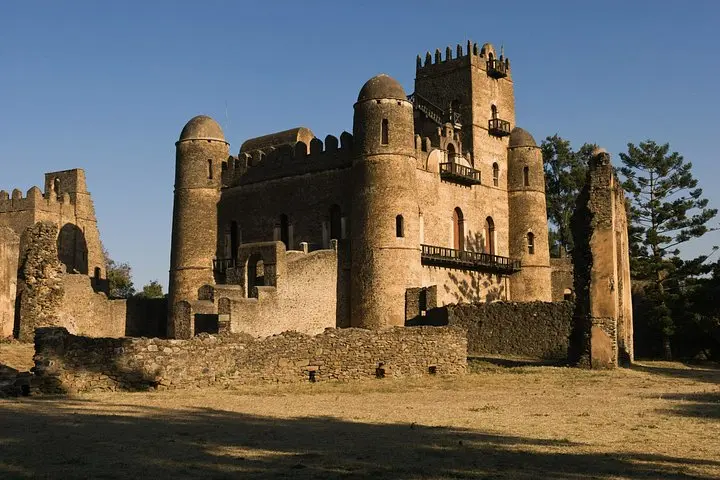
You step out of Addis Ababa’s cool dawn into a city that sits high and watchful — around 2,355 m — and feel Ethiopia’s layered history pressing close. Over five days the trip moves from museum halls where “Lucy” rests, to the lake-belt of Bahir Dar where the Nile dares the cliff at Tis Issat (Blue Nile Falls), then into Gondar’s castleed courtyards and the ragged, wind-scoured ridges of the Simien massif before the rock-hewn churches of Lalibela draw the route to its close.
Verified experiences and guided adventures in the surrounding area.
Operated by Papyrus Tours · Addis Ababa, Addis Ababa
You step out of Addis Ababa’s cool dawn into a city that sits high and watchful — around 2,355 m — and feel Ethiopia’s layered history pressing close. Over five days the trip moves from museum halls where “Lucy” rests, to the lake-belt of Bahir Dar where the Nile dares the cliff at Tis Issat (Blue Nile Falls), then into Gondar’s castleed courtyards and the ragged, wind-scoured ridges of the Simien massif before the rock-hewn churches of Lalibela draw the route to its close.
These places map geological time and human faith: Lake Tana’s 37 islands host medieval monasteries and icons; the Blue Nile drops roughly 45 m, spraying rainbows into the gorge; the Simien Mountains are a volcanic plateau with peaks over 4,000 m (Ras Dashen ≈ 4,543 m) and endemic gelada troops grazing on steep terraces. Gondar’s 17th-century castles and Lalibela’s 12th-century rock-cut churches are cultural anchors that explain why Ethiopia is called the Land of Origins.
Practical guide: plan for short domestic flights (Addis–Bahir Dar, Gondar–Lalibela) and several long drives (Bahir Dar–Gondar ≈ 2.5 hours; Gondar–Simien ≈ 2 hours). Expect moderate walking at altitude — brief hikes to falls and viewpoints, not technical climbs — and basic services in smaller towns. Carry layers for cold mornings, sunscreen for high UV, and a water system for refillable bottles. Allow extra time for photography and local markets; timing the Blue Nile’s flow and early-morning light in Lalibela rewards patience.
Yes—several stops (Addis, Simien plateau) are high; acclimatize, hydrate, avoid heavy exertion on day one, and consult a doctor about medication if you have concerns.
Domestic flights (Addis–Bahir Dar, Gondar–Lalibela) are part of the itinerary; schedules can shift so allow flexibility for connections.
Mostly moderate walking on uneven stone and dirt paths with short steep sections (e.g., Blue Nile Falls descent, church steps in Lalibela); no technical climbing.
Street and market food is generally fine if you choose busy, well-cooked options; bottled water is provided but carry your own for hikes.
Papyrus Tours operates guided outdoor trips and adventures with an emphasis on safety, stewardship, and memorable experiences.
You step out of Addis Ababa’s cool dawn into a city that sits high and watchful — around 2,355 m — and feel Ethiopia’s layered history pressing close. Over five days the trip moves from museum halls where “Lucy” rests, to the lake-belt of Bahir Dar where the Nile dares the cliff at Tis Issat (Blue Nile Falls), then into Gondar’s castleed courtyards and the ragged, wind-scoured ridges of the Simien massif before the rock-hewn churches of Lalibela draw the route to its close.
You step out of Addis Ababa’s cool dawn into a city that sits high and watchful — around 2,355 m — and feel Ethiopia’s layered history pressing close. Over five days the trip moves from museum halls where “Lucy” rests, to the lake-belt of Bahir Dar where the Nile dares the cliff at Tis Issat (Blue Nile Falls), then into Gondar’s castleed courtyards and the ragged, wind-scoured ridges of the Simien massif before the rock-hewn churches of Lalibela draw the route to its close.
These places map geological time and human faith: Lake Tana’s 37 islands host medieval monasteries and icons; the Blue Nile drops roughly 45 m, spraying rainbows into the gorge; the Simien Mountains are a volcanic plateau with peaks over 4,000 m (Ras Dashen ≈ 4,543 m) and endemic gelada troops grazing on steep terraces. Gondar’s 17th-century castles and Lalibela’s 12th-century rock-cut churches are cultural anchors that explain why Ethiopia is called the Land of Origins.
Practical guide: plan for short domestic flights (Addis–Bahir Dar, Gondar–Lalibela) and several long drives (Bahir Dar–Gondar ≈ 2.5 hours; Gondar–Simien ≈ 2 hours). Expect moderate walking at altitude — brief hikes to falls and viewpoints, not technical climbs — and basic services in smaller towns. Carry layers for cold mornings, sunscreen for high UV, and a water system for refillable bottles. Allow extra time for photography and local markets; timing the Blue Nile’s flow and early-morning light in Lalibela rewards patience.