THE ADVENTURE COLLECTIVE® · Independent discovery and booking for outdoor travel

Fly into the heart of the Serengeti to witness the Great Migration’s most intense moments: Mara River crossings and big-cat hunting grounds. This five-day itinerary combines short domestic flights with guided game drives and luxury tented camps for an efficient, wildlife-focused safari.
Fly into the heart of the Serengeti to witness the Great Migration’s most intense moments: Mara River crossings and big-cat hunting grounds. This five-day itinerary combines short domestic flights with guided game drives and luxury tented camps for an efficient, wildlife-focused safari.
A pale dawn light stretches across the Serengeti as your small plane noses toward Kogatende, the Mara River cutting a dark ribbon through the plains below. You climb out at the airstrip and the savannah greets you: wind-sculpted grass, distant kopjes like watchful rocks, and a horizon alive with motion — thousands of wildebeest and zebra making slow, deliberate decisions that shape the landscape.
Verified experiences and guided adventures in the surrounding area.
Operated by Herbivore African Expeditions · Seronera, Mara Region
A pale dawn light stretches across the Serengeti as your small plane noses toward Kogatende, the Mara River cutting a dark ribbon through the plains below. You climb out at the airstrip and the savannah greets you: wind-sculpted grass, distant kopjes like watchful rocks, and a horizon alive with motion — thousands of wildebeest and zebra making slow, deliberate decisions that shape the landscape.
This five-day fly-in itinerary pairs aerial perspective with up-close game drives. The northern Mara River is where the migration’s crossing drama plays out, a scene shaped by river geology, crocodile pools, and seasonal rains that push herds in search of grazing. The Central Serengeti’s Seronera Valley contrasts with open grasslands and sausage trees that harbor leopards and lions — a shift from pulse-quickening crossings to steady predator-prey choreography.
Local Maasai culture and the park’s modern conservation history are part of the backdrop; the Serengeti ecosystem has been protected since the mid-20th century, and responsible camps work with communities to reduce human-wildlife conflict.
Practically: pack binoculars and a telephoto lens, expect dusty game-drive roads and early starts to catch animal activity at first light. Flights between Arusha and regional airstrips are short but sensitive to weather; light luggage limits apply. Guides use radio networks to locate crossings but patience is essential — sightings are never guaranteed. Hydrate, wear layered sun protection, and keep a respectful distance from wildlife. This trip emphasizes efficiency and immersion: you move fast by air and slow down on the plains where every sighting demands attention and space.
The classic river crossings most often occur during the long dry season (July–September) when herds move north, but timings vary year to year — guides use local reports to position vehicles.
Domestic bush flights are routine and operated by experienced pilots; they are weather-dependent and typically limit luggage, so confirm weight rules before travel.
Travelers usually need a valid visa for Tanzania and routine vaccinations; yellow fever proof may be required if arriving from certain countries — check official health and consular guidance well before departure.
You must remain in the vehicle unless a guide says otherwise; Tanzania law and park rules restrict approaches to protect both people and animals.
Herbivore African Expeditions operates guided outdoor trips and adventures with an emphasis on safety, stewardship, and memorable experiences.

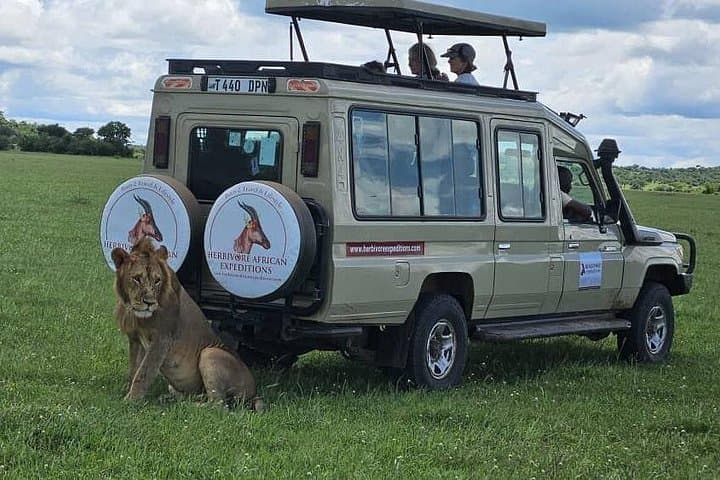


A pale dawn light stretches across the Serengeti as your small plane noses toward Kogatende, the Mara River cutting a dark ribbon through the plains below. You climb out at the airstrip and the savannah greets you: wind-sculpted grass, distant kopjes like watchful rocks, and a horizon alive with motion — thousands of wildebeest and zebra making slow, deliberate decisions that shape the landscape.
A pale dawn light stretches across the Serengeti as your small plane noses toward Kogatende, the Mara River cutting a dark ribbon through the plains below. You climb out at the airstrip and the savannah greets you: wind-sculpted grass, distant kopjes like watchful rocks, and a horizon alive with motion — thousands of wildebeest and zebra making slow, deliberate decisions that shape the landscape.
This five-day fly-in itinerary pairs aerial perspective with up-close game drives. The northern Mara River is where the migration’s crossing drama plays out, a scene shaped by river geology, crocodile pools, and seasonal rains that push herds in search of grazing. The Central Serengeti’s Seronera Valley contrasts with open grasslands and sausage trees that harbor leopards and lions — a shift from pulse-quickening crossings to steady predator-prey choreography.
Local Maasai culture and the park’s modern conservation history are part of the backdrop; the Serengeti ecosystem has been protected since the mid-20th century, and responsible camps work with communities to reduce human-wildlife conflict.
Practically: pack binoculars and a telephoto lens, expect dusty game-drive roads and early starts to catch animal activity at first light. Flights between Arusha and regional airstrips are short but sensitive to weather; light luggage limits apply. Guides use radio networks to locate crossings but patience is essential — sightings are never guaranteed. Hydrate, wear layered sun protection, and keep a respectful distance from wildlife. This trip emphasizes efficiency and immersion: you move fast by air and slow down on the plains where every sighting demands attention and space.