THE ADVENTURE COLLECTIVE® · Independent discovery and booking for outdoor travel

Five days of island-hopping in the Galápagos: snorkel with turtles and rays, hike the Sierra Negra caldera, and visit Charles Darwin Station. This compact itinerary combines active exploration with wildlife viewing and practical logistics.
Five days of island-hopping in the Galápagos: snorkel with turtles and rays, hike the Sierra Negra caldera, and visit Charles Darwin Station. This compact itinerary combines active exploration with wildlife viewing and practical logistics.
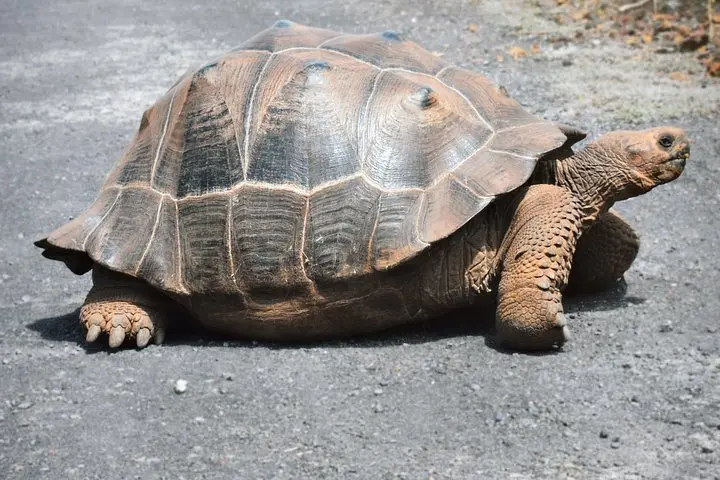
The sea opens like a question as your panga slips away from Baltra and the volcanic backbone of the islands grows larger—black ridges, low scrub, and bobbing marine iguanas claiming the rocks. By the first afternoon you’re on Santa Cruz at the Charles Darwin Research Station, eye to eye with giant tortoises and the slow, patient history of the archipelago.
Verified experiences and guided adventures in the surrounding area.
Operated by Galápagos Native Tour Operator · Puerto Ayora, Galápagos
The sea opens like a question as your panga slips away from Baltra and the volcanic backbone of the islands grows larger—black ridges, low scrub, and bobbing marine iguanas claiming the rocks. By the first afternoon you’re on Santa Cruz at the Charles Darwin Research Station, eye to eye with giant tortoises and the slow, patient history of the archipelago.
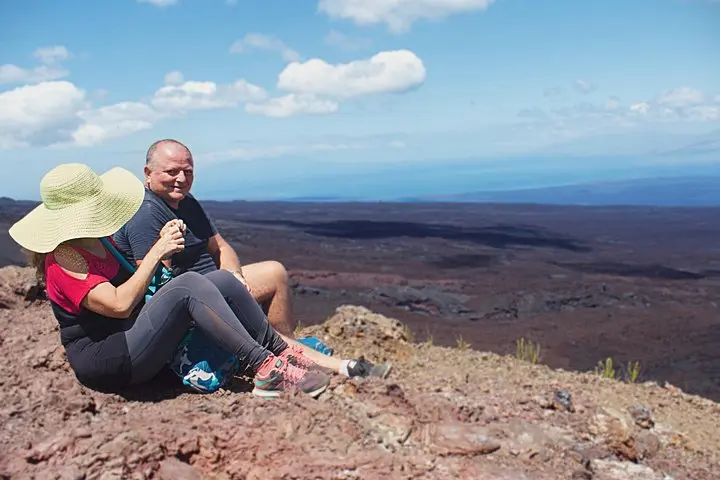
These islands were forged by hotspot volcanism; Isabela’s Sierra Negra still shows fresh flows and a broad caldera more than 10 km across. Human history here is recent—fisherfolk, whalers and scientists—so culture is small, practical and focused on the sea and land they share. Wildlife is the draw: blue-footed boobies, sea lions that regard you as part of the scenery, and reef life that becomes suddenly vivid when you slip into warm water.
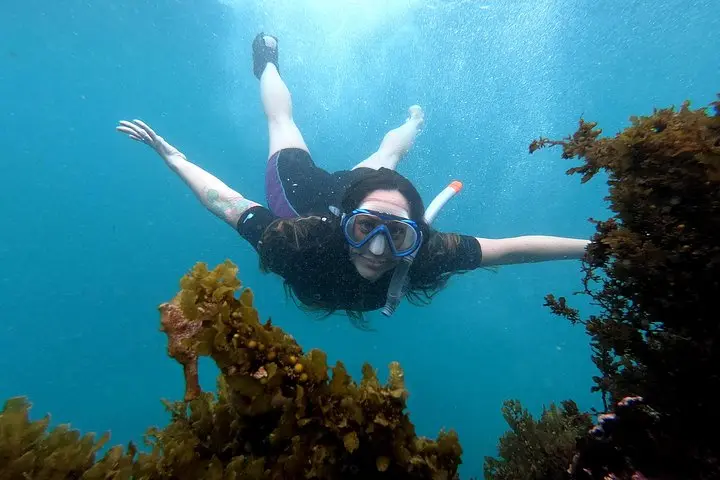
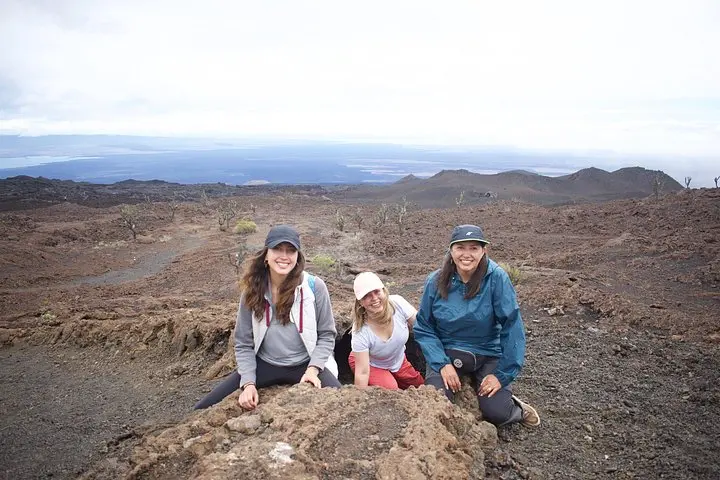
Practically, expect three full days of active exploration: island hopping by motorboat, a 16 km Sierra Negra trek (about 4 hours round-trip), and several guided snorkels that put you beside turtles, rays and reef fish. Boats and local guides handle transfers; wetsuits and basic snorkel gear are provided. Park regulations require staying on marked trails, maintaining distance from wildlife, and cleaning boots and gear between islands. Bring reef-safe sunscreen, a lightweight daypack, and layers for cool evenings. Seas can be calm or choppy—take motion-sickness prevention if you’re prone.
This itinerary balances accessible hiking with high-quality snorkeling and island storytelling: vivid marine encounters by day, volcanic horizons at dusk, and field-station context that explains why the Galápagos remains both fragile and essential to conservation.
Yes—visitors pay the Galápagos National Park entrance fee and may need a Transit Control Card; fees are typically paid on arrival and are separate from tour costs.
The trail is about 16 km round-trip and can be done in roughly 4 hours for fit walkers; terrain is uneven volcanic rock and exposed in places, so bring sun protection and water.
You don’t need to be an expert, but you should be comfortable in open water and able to swim short distances; guides stay close and provide basic gear and wetsuits.
Children can join but infants must sit on an adult’s lap on boats; physical demands and safety rules mean some sections may not be suitable for very young children.
Galápagos Native Tour Operator operates guided outdoor trips and adventures with an emphasis on safety, stewardship, and memorable experiences.
The sea opens like a question as your panga slips away from Baltra and the volcanic backbone of the islands grows larger—black ridges, low scrub, and bobbing marine iguanas claiming the rocks. By the first afternoon you’re on Santa Cruz at the Charles Darwin Research Station, eye to eye with giant tortoises and the slow, patient history of the archipelago.
The sea opens like a question as your panga slips away from Baltra and the volcanic backbone of the islands grows larger—black ridges, low scrub, and bobbing marine iguanas claiming the rocks. By the first afternoon you’re on Santa Cruz at the Charles Darwin Research Station, eye to eye with giant tortoises and the slow, patient history of the archipelago.
These islands were forged by hotspot volcanism; Isabela’s Sierra Negra still shows fresh flows and a broad caldera more than 10 km across. Human history here is recent—fisherfolk, whalers and scientists—so culture is small, practical and focused on the sea and land they share. Wildlife is the draw: blue-footed boobies, sea lions that regard you as part of the scenery, and reef life that becomes suddenly vivid when you slip into warm water.
Practically, expect three full days of active exploration: island hopping by motorboat, a 16 km Sierra Negra trek (about 4 hours round-trip), and several guided snorkels that put you beside turtles, rays and reef fish. Boats and local guides handle transfers; wetsuits and basic snorkel gear are provided. Park regulations require staying on marked trails, maintaining distance from wildlife, and cleaning boots and gear between islands. Bring reef-safe sunscreen, a lightweight daypack, and layers for cool evenings. Seas can be calm or choppy—take motion-sickness prevention if you’re prone.
This itinerary balances accessible hiking with high-quality snorkeling and island storytelling: vivid marine encounters by day, volcanic horizons at dusk, and field-station context that explains why the Galápagos remains both fragile and essential to conservation.