THE ADVENTURE COLLECTIVE® · Independent discovery and booking for outdoor travel

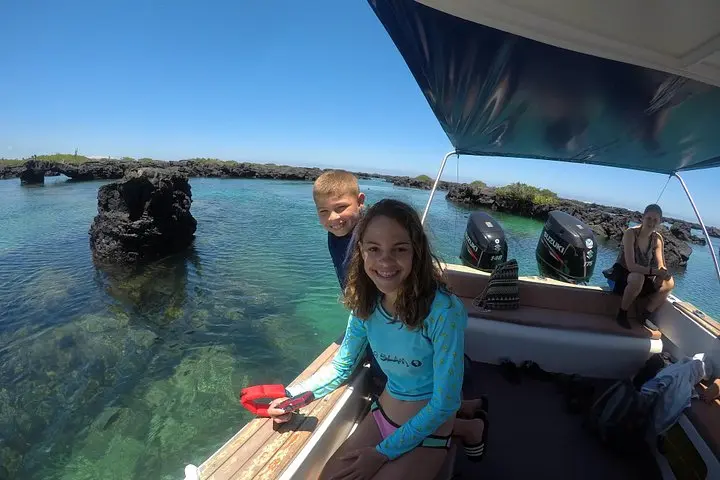
Island-hop between Santa Cruz and Isabela on a five-day itinerary that combines highland tortoise habitat, lava tunnels and world-class snorkeling. Expect close wildlife encounters, short hikes, and multiple speedboat crossings.
Island-hop between Santa Cruz and Isabela on a five-day itinerary that combines highland tortoise habitat, lava tunnels and world-class snorkeling. Expect close wildlife encounters, short hikes, and multiple speedboat crossings.
A low morning sun slices across the Itabaca Channel as the speedboat cleaves away from Santa Cruz, spray stinging your face and the skyline of volcanic humps shrinking behind you. Over five days this tour trades the mainland’s rush for volcanic shorelines, highland pastures and underwater gardens where sea lions navigate like dark torpedoes and blue-footed boobies wheel and call.
Verified experiences and guided adventures in the surrounding area.
Operated by Latin Adventures Cía Ltda · Puerto Ayora, Galápagos Province
A low morning sun slices across the Itabaca Channel as the speedboat cleaves away from Santa Cruz, spray stinging your face and the skyline of volcanic humps shrinking behind you. Over five days this tour trades the mainland’s rush for volcanic shorelines, highland pastures and underwater gardens where sea lions navigate like dark torpedoes and blue-footed boobies wheel and call.
Geology here reads like a live textbook: young basalt flows, lava tunnels and sinkholes formed by shield volcanism, then sculpted by ocean and wind. Human history in the Galápagos is short and sharp — whalers, early settlers and Darwin’s landing — but the islands’ real story is ecological: species that evolved without fear of predators, now protected inside the Galápagos National Park.
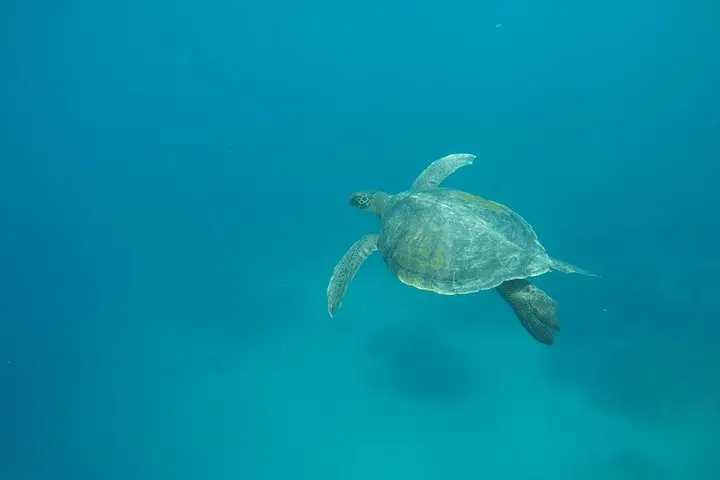
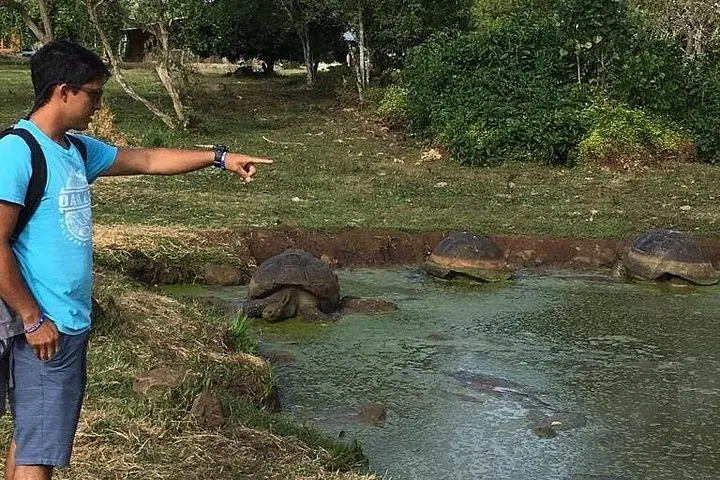
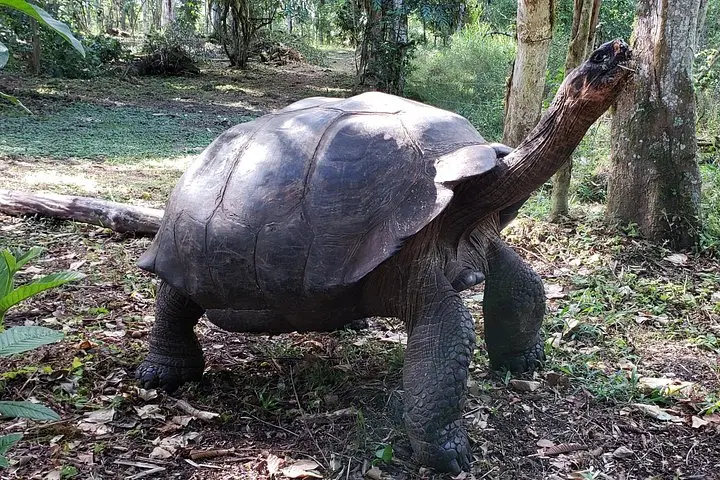
Expect varied terrain: flat coastal paths, short rocky hikes across lava rock, and a few gentle highland ascents through Scalesia forest around 200–400 m elevation. Snorkeling happens from small boats in channels and at islets; visibility is commonly 10–20 m depending on plankton. Wildlife encounters are close and calm — giant tortoises in ranching highlands, marine iguanas on black lava, penguins and reef sharks around Tintoreras and Cabo Rosa. Guides emphasize low-impact viewing and strict boot/gear cleaning to prevent invasive species.
Practicalities: pack reef-safe sunscreen, a light shorty wetsuit or accept the 2.5mm shorty provided, bring motion-sickness meds for open crossings, and carry a daypack with water and layers for rapid weather shifts. Passport and modest luggage limits are strictly enforced — confirm excess gear beforehand.
Yes — a current valid passport is required for all travelers on the day of travel.
Snorkeling gear including fins and a shorty wetsuit (2.5mm) is provided when excursions include water activities.
Crossings vary by route; the Santa Cruz–Isabela speedboat is about 2 hours each way, while shorter inter-islet rides can be 30–60 minutes.
Breakfast and four lunches are included; specific dietary needs should be advised at booking.
Latin Adventures Cía Ltda operates guided outdoor trips and adventures with an emphasis on safety, stewardship, and memorable experiences.
A low morning sun slices across the Itabaca Channel as the speedboat cleaves away from Santa Cruz, spray stinging your face and the skyline of volcanic humps shrinking behind you. Over five days this tour trades the mainland’s rush for volcanic shorelines, highland pastures and underwater gardens where sea lions navigate like dark torpedoes and blue-footed boobies wheel and call.
A low morning sun slices across the Itabaca Channel as the speedboat cleaves away from Santa Cruz, spray stinging your face and the skyline of volcanic humps shrinking behind you. Over five days this tour trades the mainland’s rush for volcanic shorelines, highland pastures and underwater gardens where sea lions navigate like dark torpedoes and blue-footed boobies wheel and call.
Geology here reads like a live textbook: young basalt flows, lava tunnels and sinkholes formed by shield volcanism, then sculpted by ocean and wind. Human history in the Galápagos is short and sharp — whalers, early settlers and Darwin’s landing — but the islands’ real story is ecological: species that evolved without fear of predators, now protected inside the Galápagos National Park.
Expect varied terrain: flat coastal paths, short rocky hikes across lava rock, and a few gentle highland ascents through Scalesia forest around 200–400 m elevation. Snorkeling happens from small boats in channels and at islets; visibility is commonly 10–20 m depending on plankton. Wildlife encounters are close and calm — giant tortoises in ranching highlands, marine iguanas on black lava, penguins and reef sharks around Tintoreras and Cabo Rosa. Guides emphasize low-impact viewing and strict boot/gear cleaning to prevent invasive species.
Practicalities: pack reef-safe sunscreen, a light shorty wetsuit or accept the 2.5mm shorty provided, bring motion-sickness meds for open crossings, and carry a daypack with water and layers for rapid weather shifts. Passport and modest luggage limits are strictly enforced — confirm excess gear beforehand.