THE ADVENTURE COLLECTIVE® · Independent discovery and booking for outdoor travel

Five days exploring Santa Cruz highlands, Bahía waters and uninhabited islets — a private itinerary that pairs close wildlife encounters with guided conservation insights. Expect snorkeling, short volcanic hikes, and practical logistics like the $100 park fee paid on arrival.
Five days exploring Santa Cruz highlands, Bahía waters and uninhabited islets — a private itinerary that pairs close wildlife encounters with guided conservation insights. Expect snorkeling, short volcanic hikes, and practical logistics like the $100 park fee paid on arrival.
You step off the skiff and the Pacific seems to breathe around you — salt on the air, lava rock radiating slow heat, and a colony of sea lions eyeing your approach with casual curiosity. Over five days this private itinerary threads the highland pastures of Santa Cruz with bay cruises and visits to uninhabited islets, each stretch of shoreline offering a different cast of endemic characters.
Verified experiences and guided adventures in the surrounding area.
Operated by Ecuador Galapagos Travels · Puerto Ayora, Galápagos
You step off the skiff and the Pacific seems to breathe around you — salt on the air, lava rock radiating slow heat, and a colony of sea lions eyeing your approach with casual curiosity. Over five days this private itinerary threads the highland pastures of Santa Cruz with bay cruises and visits to uninhabited islets, each stretch of shoreline offering a different cast of endemic characters.
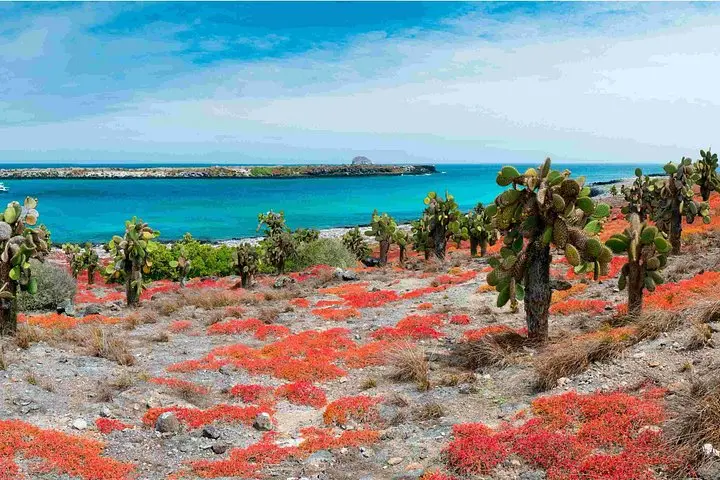
The islands themselves are young, volcanic plates rising from the Nazca Plate; the highlands of Santa Cruz hold the tortoises' domed silhouettes and humid Scalesia forests that tell a geological story of lava flows, uplift and relentless ocean shaping. Human history here is recent: whalers, settlers and Charles Darwin's passing left practical marks but the archipelago's conservation story dominates — the Charles Darwin Research Station plays a central role in restoration and species recovery.
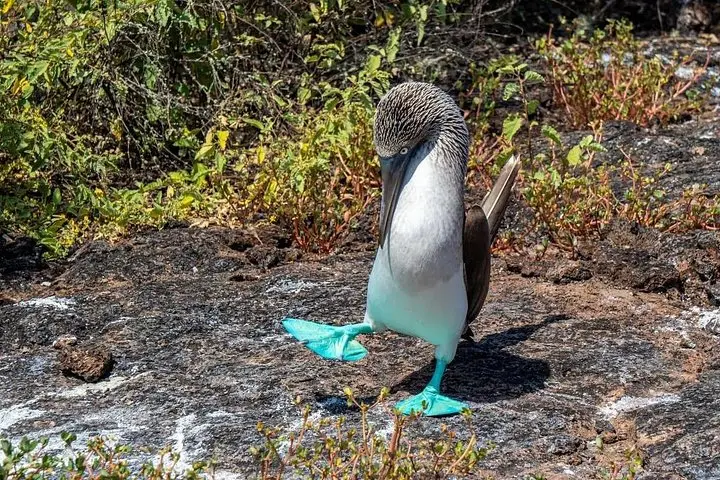
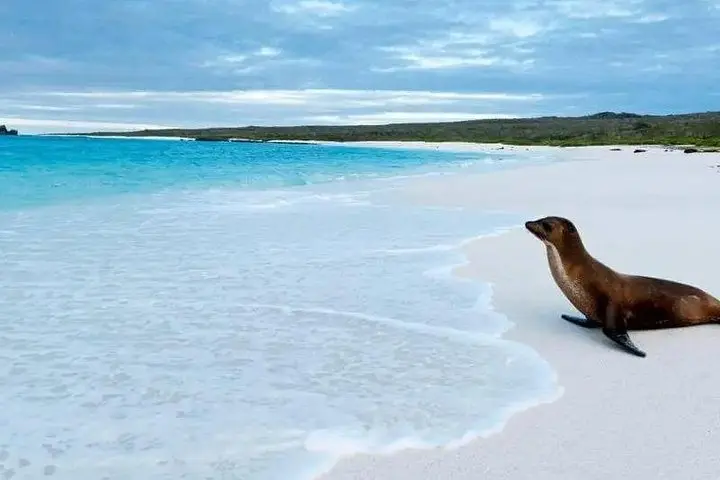
Expect snorkeling with tropical fish and curious sea lions in clear bays, short guided walks on volcanic soil, and quieter moments on uninhabited shores where marine iguanas warm their black bodies. Wildlife moves with purpose: blue-footed boobies splay their dance, and frigatebirds patrol thermals as if on duty.
Practical essentials: a valid passport (used at the park entrance), a $100 Galápagos National Park entry fee payable in cash on arrival, and moderate fitness for short hikes and wet landings. Bring reef-safe sunscreen, a light rain shell for cooler, windy afternoons, and a small dry bag for electronics. Timing your days for morning snorkels and afternoon walks maximizes wildlife activity and comfort.
Yes — you must present a valid passport on arrival; many nationalities enter Ecuador visa-free for short stays but verify your country's requirements in advance.
No — the Galápagos National Park entry fee (~$100) is paid in cash upon arrival and is not included in most tour prices.
Moderate fitness is sufficient: expect short walks over uneven volcanic terrain and repeated wet landings; no technical climbing required.
Basic snorkel equipment (mask, snorkel, fins) and certified bilingual guides are typically included in the itinerary, but you may prefer to bring your own mask for fit.
Ecuador Galapagos Travels operates guided outdoor trips and adventures with an emphasis on safety, stewardship, and memorable experiences.
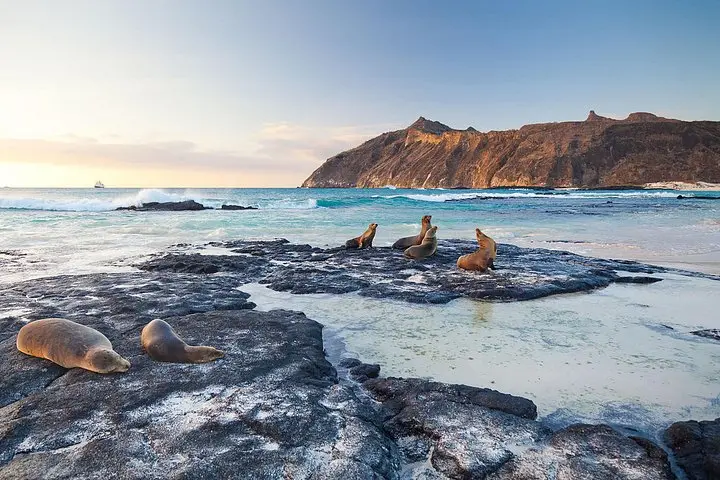
You step off the skiff and the Pacific seems to breathe around you — salt on the air, lava rock radiating slow heat, and a colony of sea lions eyeing your approach with casual curiosity. Over five days this private itinerary threads the highland pastures of Santa Cruz with bay cruises and visits to uninhabited islets, each stretch of shoreline offering a different cast of endemic characters.
You step off the skiff and the Pacific seems to breathe around you — salt on the air, lava rock radiating slow heat, and a colony of sea lions eyeing your approach with casual curiosity. Over five days this private itinerary threads the highland pastures of Santa Cruz with bay cruises and visits to uninhabited islets, each stretch of shoreline offering a different cast of endemic characters.
The islands themselves are young, volcanic plates rising from the Nazca Plate; the highlands of Santa Cruz hold the tortoises' domed silhouettes and humid Scalesia forests that tell a geological story of lava flows, uplift and relentless ocean shaping. Human history here is recent: whalers, settlers and Charles Darwin's passing left practical marks but the archipelago's conservation story dominates — the Charles Darwin Research Station plays a central role in restoration and species recovery.
Expect snorkeling with tropical fish and curious sea lions in clear bays, short guided walks on volcanic soil, and quieter moments on uninhabited shores where marine iguanas warm their black bodies. Wildlife moves with purpose: blue-footed boobies splay their dance, and frigatebirds patrol thermals as if on duty.
Practical essentials: a valid passport (used at the park entrance), a $100 Galápagos National Park entry fee payable in cash on arrival, and moderate fitness for short hikes and wet landings. Bring reef-safe sunscreen, a light rain shell for cooler, windy afternoons, and a small dry bag for electronics. Timing your days for morning snorkels and afternoon walks maximizes wildlife activity and comfort.