THE ADVENTURE COLLECTIVE® · Independent discovery and booking for outdoor travel

A compact five-day circuit through western Bhutan that pairs iconic hikes—like the Tigers’ Nest—with cultural immersion in Thimphu and Punakha. Expect steep cliffside temples, high mountain passes, and homestay dinners that reveal local life.
A compact five-day circuit through western Bhutan that pairs iconic hikes—like the Tigers’ Nest—with cultural immersion in Thimphu and Punakha. Expect steep cliffside temples, high mountain passes, and homestay dinners that reveal local life.
You arrive to a thin, clear air as the plane threads the Himalayan teeth and touches down at Paro; prayer flags flap over river-steep terraces and the valley exhales centuries of ritual. Over five days the route moves from Paro’s ancient watchtower museum to Thimphu’s hilltop Buddha, down Dochula’s wind-scoured pass and into the warm rice bowls of Punakha.
Verified experiences and guided adventures in the surrounding area.
Operated by Bhutan Acorn Tours and Travel · Paro, Paro District
You arrive to a thin, clear air as the plane threads the Himalayan teeth and touches down at Paro; prayer flags flap over river-steep terraces and the valley exhales centuries of ritual. Over five days the route moves from Paro’s ancient watchtower museum to Thimphu’s hilltop Buddha, down Dochula’s wind-scoured pass and into the warm rice bowls of Punakha.
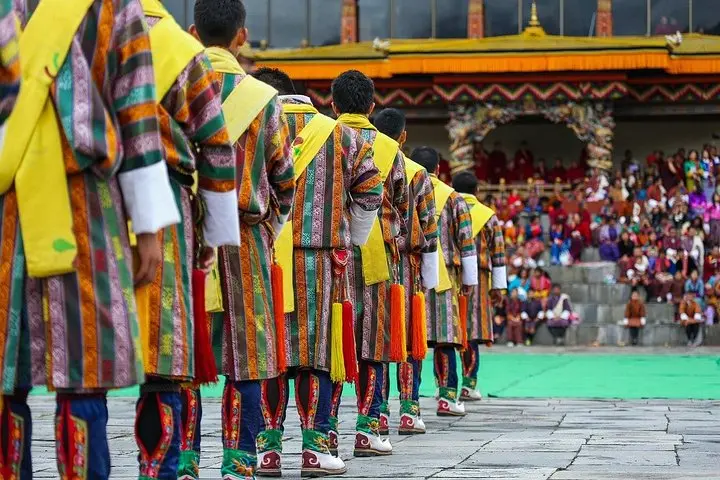
Bhutan’s landscapes are young—uplifted by tectonic force and carved by glacial rivers that still dare you to cross their bridges. Dzongs—massive fortress-monasteries—anchor communities; Punakha Dzong sits at the confluence of the Phochu and Mochu where winter melt writes new stories each year. Culturally, you’ll see living crafts at the Zorig Chusum and meet families keeping weaving and rice cultivation alive.
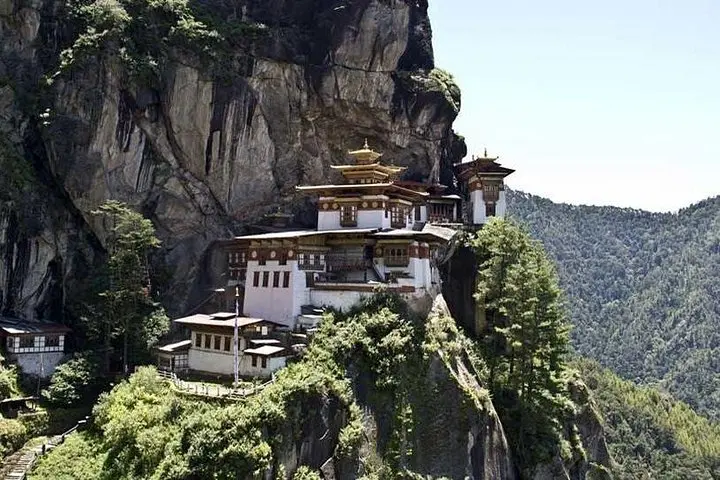
Key experiences include a 4–5 hour round-trip hike to Paro Taktsang (Tiger’s Nest) perched on an 800m cliff, a 2–3 hour hike to Khamsum Chorten overlooking terraced fields, and short valley walks to Chimi Lhakhang’s fertility shrine. Expect altitude shifts: Dochu La reaches 3,150m, Punakha drops to ~1,200m.
Practical notes: bring layers for big temperature swings, start mountain hikes early to avoid sun and crowds, and allow time for gradual acclimatization. Local guides handle permits and e-visa processing; book flights early—only two carriers link Bhutan internationally and seats fill fast. Hydrate, carry cash for small purchases, and be prepared for simple, comfortable 3-star hotels or homestays that offer authentic local meals and a chance to learn traditional life.
Yes—an e-Visa is required and is processed by the tour operator; approvals typically take 4–5 business days once passport copies are submitted.
The round-trip takes about 4–5 hours for most visitors with sustained uphill sections; altitude and steep trails make it moderately strenuous.
One-way pony rides to the midpoint viewpoint are available for a nominal fee (~USD20) but horses are not recommended above the midpoint; walking is required for the final steep sections.
Rafting is optional and not included; a guided 10km run (grade 1–2) is available seasonally and is paid locally, typically shared between passengers.
Bhutan Acorn Tours and Travel operates guided outdoor trips and adventures with an emphasis on safety, stewardship, and memorable experiences.
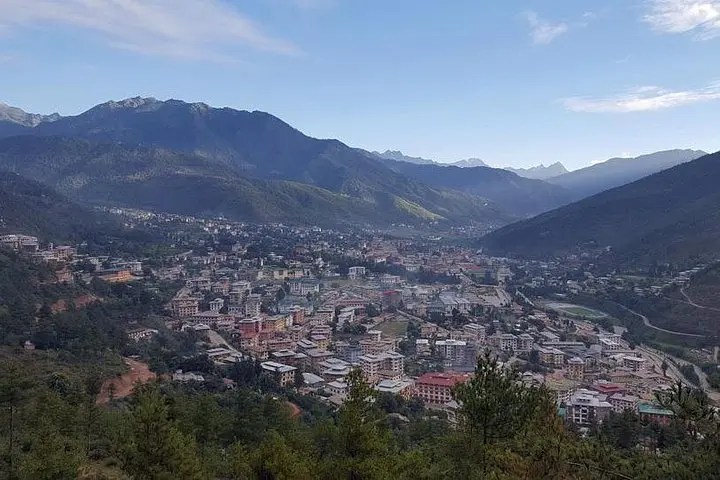
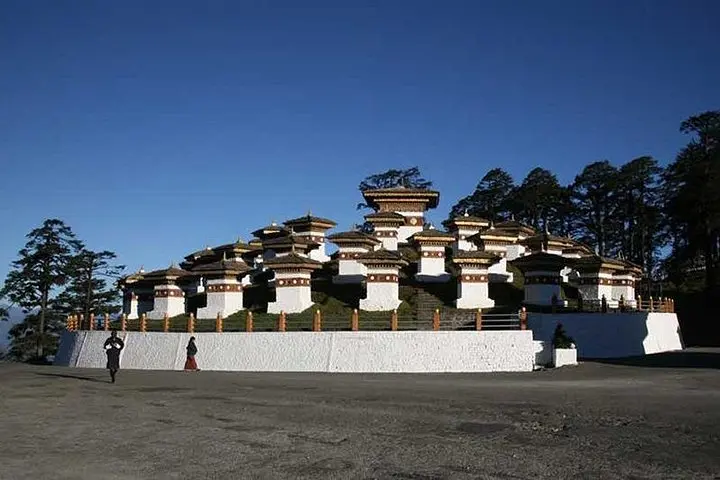
You arrive to a thin, clear air as the plane threads the Himalayan teeth and touches down at Paro; prayer flags flap over river-steep terraces and the valley exhales centuries of ritual. Over five days the route moves from Paro’s ancient watchtower museum to Thimphu’s hilltop Buddha, down Dochula’s wind-scoured pass and into the warm rice bowls of Punakha.
You arrive to a thin, clear air as the plane threads the Himalayan teeth and touches down at Paro; prayer flags flap over river-steep terraces and the valley exhales centuries of ritual. Over five days the route moves from Paro’s ancient watchtower museum to Thimphu’s hilltop Buddha, down Dochula’s wind-scoured pass and into the warm rice bowls of Punakha.
Bhutan’s landscapes are young—uplifted by tectonic force and carved by glacial rivers that still dare you to cross their bridges. Dzongs—massive fortress-monasteries—anchor communities; Punakha Dzong sits at the confluence of the Phochu and Mochu where winter melt writes new stories each year. Culturally, you’ll see living crafts at the Zorig Chusum and meet families keeping weaving and rice cultivation alive.
Key experiences include a 4–5 hour round-trip hike to Paro Taktsang (Tiger’s Nest) perched on an 800m cliff, a 2–3 hour hike to Khamsum Chorten overlooking terraced fields, and short valley walks to Chimi Lhakhang’s fertility shrine. Expect altitude shifts: Dochu La reaches 3,150m, Punakha drops to ~1,200m.
Practical notes: bring layers for big temperature swings, start mountain hikes early to avoid sun and crowds, and allow time for gradual acclimatization. Local guides handle permits and e-visa processing; book flights early—only two carriers link Bhutan internationally and seats fill fast. Hydrate, carry cash for small purchases, and be prepared for simple, comfortable 3-star hotels or homestays that offer authentic local meals and a chance to learn traditional life.