THE ADVENTURE COLLECTIVE® · Independent discovery and booking for outdoor travel

A compact, private 5‑day loop from Delhi through Agra, Ranthambore and Jaipur that pairs sunrise Taj views with early‑morning tiger safaris. Expect palace tours, bustling markets, and shared jeep drives in tiger country.
A compact, private 5‑day loop from Delhi through Agra, Ranthambore and Jaipur that pairs sunrise Taj views with early‑morning tiger safaris. Expect palace tours, bustling markets, and shared jeep drives in tiger country.
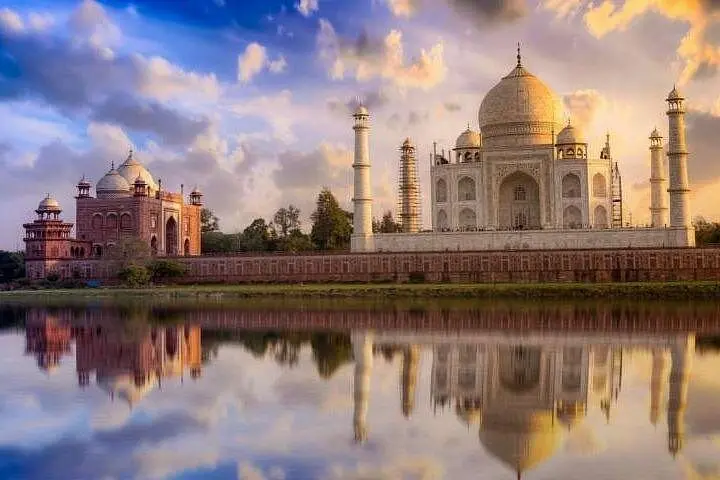
Morning light cuts across wide highways as the tour vehicle moves from Delhi’s colonial avenues to Agra’s marble silhouette and, finally, into the scrub and rocky ridges around Ranthambore. Travelers step out of air‑conditioned comfort into fragrant spice markets, the hush before a tiger drive, and the warm sandstone of Jaipur’s palaces.
Verified experiences and guided adventures in the surrounding area.
Operated by Vivek Handa, Tour Guide Delhi-Agra-Jaipur · New Delhi, Delhi
Morning light cuts across wide highways as the tour vehicle moves from Delhi’s colonial avenues to Agra’s marble silhouette and, finally, into the scrub and rocky ridges around Ranthambore. Travelers step out of air‑conditioned comfort into fragrant spice markets, the hush before a tiger drive, and the warm sandstone of Jaipur’s palaces.
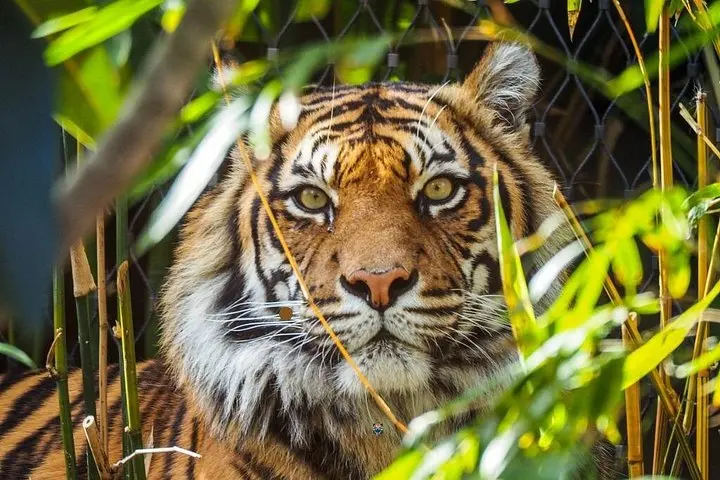
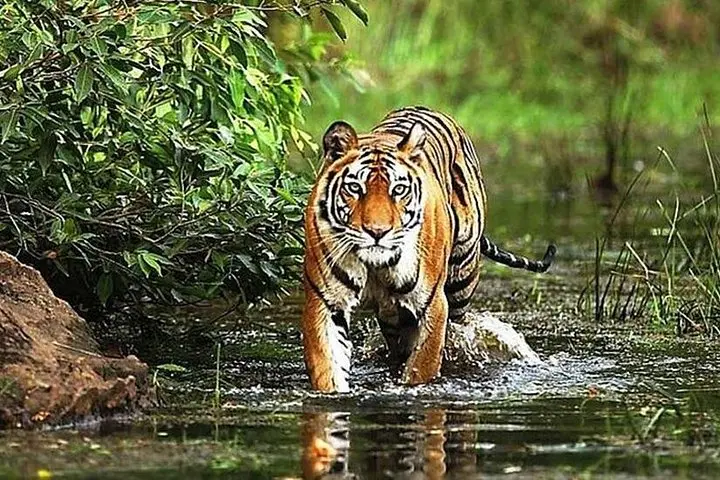
This route traces layers of Indian history: Mughal imperial centers in Delhi and Agra, forts perched on older Aravalli outcrops near Ranthambore, and Jaipur’s 18th‑century planned streets. Geologically the plains give way to low, eroded hills—good tigers country where dry deciduous forest meets ancient ruins. Culturally, expect multilingual guides, regional cuisine that shifts from Punjabi richness to Rajasthani spice, and a rhythm set by early‑morning safaris and late‑afternoon palace visits.
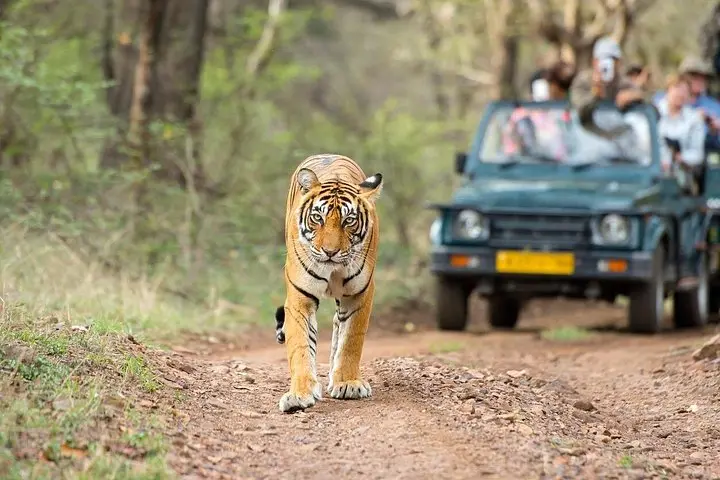
Practical guidance: plan for early starts—safari windows open at first light—bring layered clothing for cool mornings and very warm afternoons. Safaris are in shared jeeps/canters; remain in the vehicle and follow naturalist instructions. Carry a small daypack with water, sunscreen, binoculars, and a charged camera battery. Respect local customs: modest dress in temples and polite bargaining in markets.
Logistics: hotels are typically 3–5 star by booking option, private transport and guide included, and park fees are handled locally; confirm exact inclusions before travel. For best wildlife viewing, visit between October and March when foliage is sparse and animals congregate near water. With clear planning, this five‑day loop balances intense cultural sightseeing with genuine wildlife encounters.
No—sightings cannot be guaranteed; Ranthambore increases chances but sightings depend on animal movements, season, and luck.
Confirm with the operator—this tour typically includes morning game drives arranged by the provider, but additional park fees or camera charges may apply locally.
Yes—this is offered as a private tour, but safaris in Ranthambore are usually in shared jeeps or canters managed by the reserve.
October through March is best for comfortable weather and better wildlife visibility; avoid peak summer months if you dislike high heat.
Vivek Handa, Tour Guide Delhi-Agra-Jaipur operates guided outdoor trips and adventures with an emphasis on safety, stewardship, and memorable experiences.
Morning light cuts across wide highways as the tour vehicle moves from Delhi’s colonial avenues to Agra’s marble silhouette and, finally, into the scrub and rocky ridges around Ranthambore. Travelers step out of air‑conditioned comfort into fragrant spice markets, the hush before a tiger drive, and the warm sandstone of Jaipur’s palaces.
Morning light cuts across wide highways as the tour vehicle moves from Delhi’s colonial avenues to Agra’s marble silhouette and, finally, into the scrub and rocky ridges around Ranthambore. Travelers step out of air‑conditioned comfort into fragrant spice markets, the hush before a tiger drive, and the warm sandstone of Jaipur’s palaces.
This route traces layers of Indian history: Mughal imperial centers in Delhi and Agra, forts perched on older Aravalli outcrops near Ranthambore, and Jaipur’s 18th‑century planned streets. Geologically the plains give way to low, eroded hills—good tigers country where dry deciduous forest meets ancient ruins. Culturally, expect multilingual guides, regional cuisine that shifts from Punjabi richness to Rajasthani spice, and a rhythm set by early‑morning safaris and late‑afternoon palace visits.
Practical guidance: plan for early starts—safari windows open at first light—bring layered clothing for cool mornings and very warm afternoons. Safaris are in shared jeeps/canters; remain in the vehicle and follow naturalist instructions. Carry a small daypack with water, sunscreen, binoculars, and a charged camera battery. Respect local customs: modest dress in temples and polite bargaining in markets.
Logistics: hotels are typically 3–5 star by booking option, private transport and guide included, and park fees are handled locally; confirm exact inclusions before travel. For best wildlife viewing, visit between October and March when foliage is sparse and animals congregate near water. With clear planning, this five‑day loop balances intense cultural sightseeing with genuine wildlife encounters.