
5-Day Golden Triangle Tour with Ranthambore Tiger Safari (Delhi, Agra & Jaipur)
A compact five-day loop from Delhi to Jaipur with a full-day Ranthambore jeep safari in between. Combine world-class Mughal monuments with a chance to spot Bengal tigers in the former royal hunting grounds.
An Adventure In Sawai Madhopur.
A compact five-day loop from Delhi to Jaipur with a full-day Ranthambore jeep safari in between. Combine world-class Mughal monuments with a chance to spot Bengal tigers in the former royal hunting grounds.
Read the full experience
Sunrise cuts across the dry scrub of Ranthambore as the jeep’s engine murmurs and the forest stirs — this is where the Golden Triangle’s Mughal monuments meet Rajasthan’s hunting grounds. Over five days the route moves from Delhi’s imperial axis to Agra’s marble hush and into the teak-and-boulder landscape around Sawai Madhopur, finishing amid Jaipur’s palace façades.
Sunrise cuts across the dry scrub of Ranthambore as the jeep’s engine murmurs and the forest stirs — this is where the Golden Triangle’s Mughal monuments meet Rajasthan’s hunting grounds. Over five days the route moves from Delhi’s imperial axis to Agra’s marble hush and into the teak-and-boulder landscape around Sawai Madhopur, finishing amid Jaipur’s palace façades.
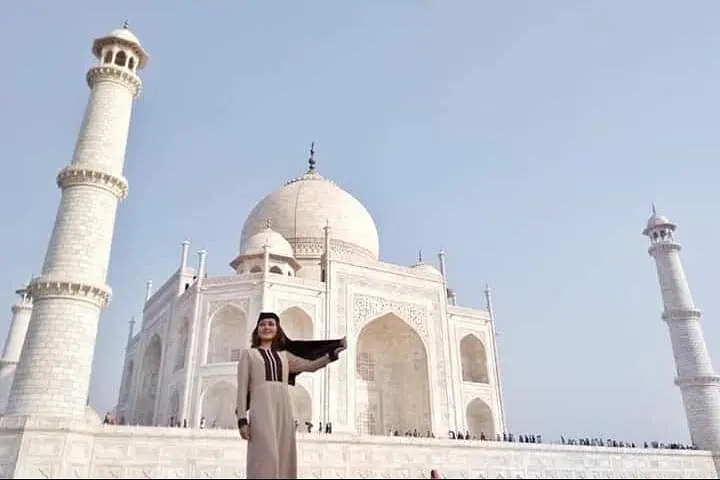
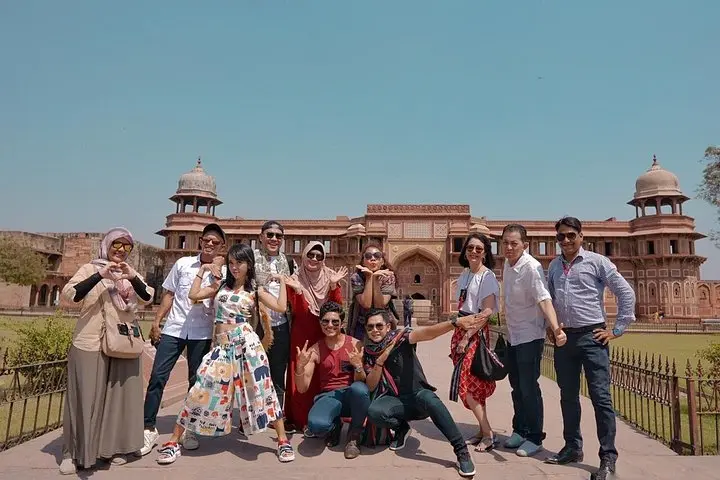
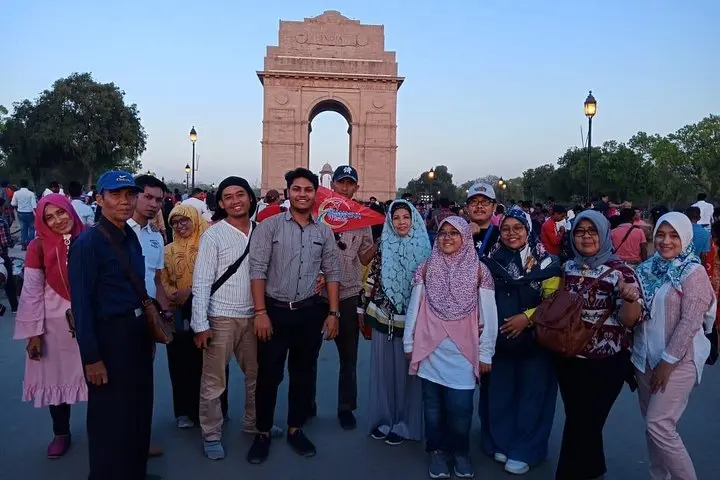
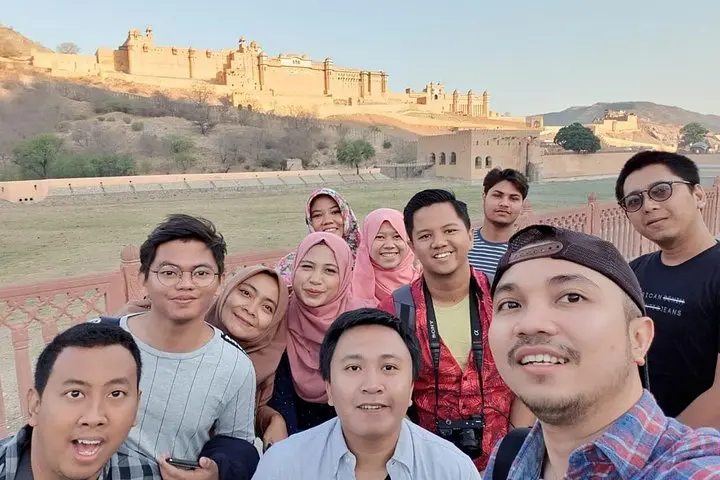
The itinerary threads together Qutb Minar, Humayun’s Tomb and India Gate in Delhi; the Taj Mahal and Agra Fort beside the Yamuna; and Amer Fort, Hawa Mahal and City Palace in Jaipur, with Ranthambore National Park’s jeep safari and the 10th‑century Ranthambore Fort as the natural centerpiece. Geologically the park sits on Vindhyan outcrops and seasonal lakes such as Padam Talao; culturally it reflects Mughal, Rajput and colonial layers visible in architecture and markets.
Travel legs are substantial — expect roughly 230 km (3–4 hours) Delhi→Agra, ~240 km (4–5 hours) Agra→Ranthambore, and ~150 km (3 hours) Ranthambore→Jaipur — so plan for road time and early starts. Safari windows are strict; mornings offer the highest chance to see tigers, while guides’ local knowledge shapes sightings more than schedules. Pack neutral clothing, sun protection, water and a long lens for photography. Respect park rules, keep noise low, and accept that wildlife sightings can’t be guaranteed. For practical rhythm: stagger monument visits to avoid midday heat, book morning safaris, and allow buffer time for transfers — this combination of monuments and wildlife delivers a compact, logistics-forward introduction to northern India’s history and wild heart.
Frequently asked questions
No — sightings depend on animal movement, weather and luck. Morning drives increase the probability, and local guides use knowledge of recent sightings to maximize chances.
Typical inclusions are hotel accommodations, air-conditioned transfers, breakfasts, a local guide and a Ranthambore jeep safari; confirm exact inclusions and park permit fees with the operator before booking.
The itinerary is generally suitable for most ages, but safaris and long car transfers may be uncomfortable for very young children or those with limited mobility; check vehicle accessibility and medical advisories.
No special permits beyond national park entry are usually required for tourists; ensure routine vaccines are up to date and carry any required travel documents and ID for park entry.
About This Experience
Ajay Day Tours operates guided outdoor trips and adventures with an emphasis on safety, stewardship, and memorable experiences.
Adventure tips
Recommended gear
- Light daypack: Keeps water, documents and layers accessible during transfers and excursions.
- Binoculars (8–10x): Improves distant wildlife viewing in the open forest and around waterholes.
- Neutral-colored clothing & good walking shoes: Breathable, sun-safe clothing and sturdy shoes for uneven fort steps and jeep walks.
- Camera with telephoto lens or extra batteries: Long lens helps capture wildlife from a distance; bring extra batteries and memory cards.
Photos of the experience
Related adventures & guides
Read the full experience
Sunrise cuts across the dry scrub of Ranthambore as the jeep’s engine murmurs and the forest stirs — this is where the Golden Triangle’s Mughal monuments meet Rajasthan’s hunting grounds. Over five days the route moves from Delhi’s imperial axis to Agra’s marble hush and into the teak-and-boulder landscape around Sawai Madhopur, finishing amid Jaipur’s palace façades.
Sunrise cuts across the dry scrub of Ranthambore as the jeep’s engine murmurs and the forest stirs — this is where the Golden Triangle’s Mughal monuments meet Rajasthan’s hunting grounds. Over five days the route moves from Delhi’s imperial axis to Agra’s marble hush and into the teak-and-boulder landscape around Sawai Madhopur, finishing amid Jaipur’s palace façades.
The itinerary threads together Qutb Minar, Humayun’s Tomb and India Gate in Delhi; the Taj Mahal and Agra Fort beside the Yamuna; and Amer Fort, Hawa Mahal and City Palace in Jaipur, with Ranthambore National Park’s jeep safari and the 10th‑century Ranthambore Fort as the natural centerpiece. Geologically the park sits on Vindhyan outcrops and seasonal lakes such as Padam Talao; culturally it reflects Mughal, Rajput and colonial layers visible in architecture and markets.
Travel legs are substantial — expect roughly 230 km (3–4 hours) Delhi→Agra, ~240 km (4–5 hours) Agra→Ranthambore, and ~150 km (3 hours) Ranthambore→Jaipur — so plan for road time and early starts. Safari windows are strict; mornings offer the highest chance to see tigers, while guides’ local knowledge shapes sightings more than schedules. Pack neutral clothing, sun protection, water and a long lens for photography. Respect park rules, keep noise low, and accept that wildlife sightings can’t be guaranteed. For practical rhythm: stagger monument visits to avoid midday heat, book morning safaris, and allow buffer time for transfers — this combination of monuments and wildlife delivers a compact, logistics-forward introduction to northern India’s history and wild heart.
Make a day of it nearby.
Verified experiences and guided adventures in the surrounding area.