THE ADVENTURE COLLECTIVE® · Independent discovery and booking for outdoor travel

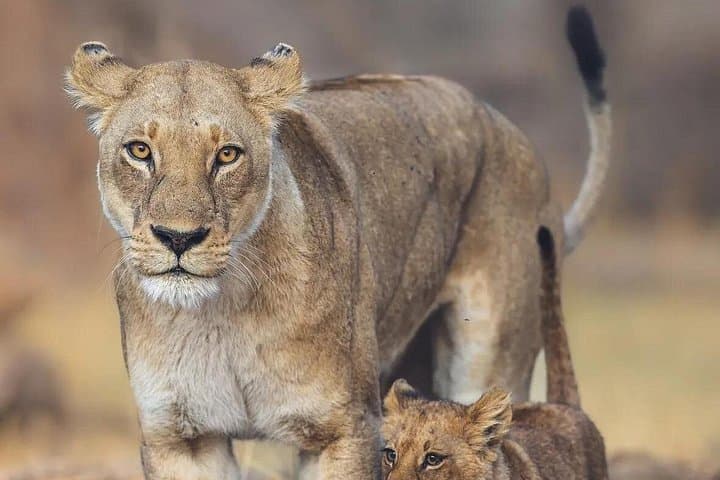
Five days across Bwindi, Queen Elizabeth and Kibale deliver close-up gorilla encounters, Ishasha’s tree-climbing lions, and high-probability chimp trekking. Expect early starts, muddy trails, and a mix of dense rainforest and open savannahs.
Five days across Bwindi, Queen Elizabeth and Kibale deliver close-up gorilla encounters, Ishasha’s tree-climbing lions, and high-probability chimp trekking. Expect early starts, muddy trails, and a mix of dense rainforest and open savannahs.
Morning light fractures the mist as the road from Kigali climbs toward the Virunga foothills — banana plantations slide by and the forest edge tightens until only the scent of wet earth and leaves guide you. In Bwindi’s Rushaga sector the forest presses close; gorilla families move like slow storms through a green, layered world, and the only sounds are muted crunches of undergrowth and the occasional hoot of a distant primate.
Verified experiences and guided adventures in the surrounding area.
Operated by Gorilla Explorers · Kisoro, Western Region
Morning light fractures the mist as the road from Kigali climbs toward the Virunga foothills — banana plantations slide by and the forest edge tightens until only the scent of wet earth and leaves guide you. In Bwindi’s Rushaga sector the forest presses close; gorilla families move like slow storms through a green, layered world, and the only sounds are muted crunches of undergrowth and the occasional hoot of a distant primate.
This route threads three of Uganda’s ecological jewels: the ancient montane rainforests of Bwindi, shaped by the Albertine Rift’s uplift; the acacia-dotted savannahs of Queen Elizabeth with its Kazinga Channel; and the chimp-rich canopy of Kibale. Local communities, including Batwa groups around Bwindi, offer cultural context to conservation efforts and centuries of forest stewardship.
Practically, expect early starts and full days: gorilla treks can be 2–8 hours of steep, often muddy hiking with short, humid elevation changes rather than long alpine climbs. Guides and park rangers brief visitors on one-hour viewing limits and strict distance rules to protect both humans and primates. Permits for gorilla trekking must be booked in advance; chimp trekking in Kibale has a high success rate but still requires patience on narrow forest paths.
Bring waterproof layers, sturdy waterproof boots with ankle support, gaiters, and a daypack with water, snacks, and insect repellent. Hydration and pacing matter — the forest will push you, and the wildlife will reward stillness. Timing trips for the drier months improves trail conditions and visibility, but every season offers a different, vivid encounter with Uganda’s wild heart.
Yes—gorilla permits are required and issued by the Ugandan authorities; they should be booked well in advance as numbers are limited.
Trekking time varies from 2 to 8 hours depending on gorilla location; once found you get one hour of observation and must stay the minimum distance set by rangers (typically 7 meters/22 feet).
The terrain can be steep and muddy with uneven footing, so it’s best for people without serious mobility limitations; families with older children may participate but assess fitness and trail conditions first.
Standard travel vaccinations and malaria prophylaxis are recommended; rangers may require masks or other measures to reduce disease risk to the primates—check current park rules before travel.
Gorilla Explorers operates guided outdoor trips and adventures with an emphasis on safety, stewardship, and memorable experiences.


Morning light fractures the mist as the road from Kigali climbs toward the Virunga foothills — banana plantations slide by and the forest edge tightens until only the scent of wet earth and leaves guide you. In Bwindi’s Rushaga sector the forest presses close; gorilla families move like slow storms through a green, layered world, and the only sounds are muted crunches of undergrowth and the occasional hoot of a distant primate.
Morning light fractures the mist as the road from Kigali climbs toward the Virunga foothills — banana plantations slide by and the forest edge tightens until only the scent of wet earth and leaves guide you. In Bwindi’s Rushaga sector the forest presses close; gorilla families move like slow storms through a green, layered world, and the only sounds are muted crunches of undergrowth and the occasional hoot of a distant primate.
This route threads three of Uganda’s ecological jewels: the ancient montane rainforests of Bwindi, shaped by the Albertine Rift’s uplift; the acacia-dotted savannahs of Queen Elizabeth with its Kazinga Channel; and the chimp-rich canopy of Kibale. Local communities, including Batwa groups around Bwindi, offer cultural context to conservation efforts and centuries of forest stewardship.
Practically, expect early starts and full days: gorilla treks can be 2–8 hours of steep, often muddy hiking with short, humid elevation changes rather than long alpine climbs. Guides and park rangers brief visitors on one-hour viewing limits and strict distance rules to protect both humans and primates. Permits for gorilla trekking must be booked in advance; chimp trekking in Kibale has a high success rate but still requires patience on narrow forest paths.
Bring waterproof layers, sturdy waterproof boots with ankle support, gaiters, and a daypack with water, snacks, and insect repellent. Hydration and pacing matter — the forest will push you, and the wildlife will reward stillness. Timing trips for the drier months improves trail conditions and visibility, but every season offers a different, vivid encounter with Uganda’s wild heart.