THE ADVENTURE COLLECTIVE® · Independent discovery and booking for outdoor travel

A compact five-day circuit through Guatemala’s standout natural and archaeological sites—Semuc Champey’s travertine pools, sunrise at Tikal’s temples, a river passage to Livingston, and the towering stelae of Quiriguá. Expect long drives, jungle heat, and a mix of swims, hikes and boat time.
A compact five-day circuit through Guatemala’s standout natural and archaeological sites—Semuc Champey’s travertine pools, sunrise at Tikal’s temples, a river passage to Livingston, and the towering stelae of Quiriguá. Expect long drives, jungle heat, and a mix of swims, hikes and boat time.
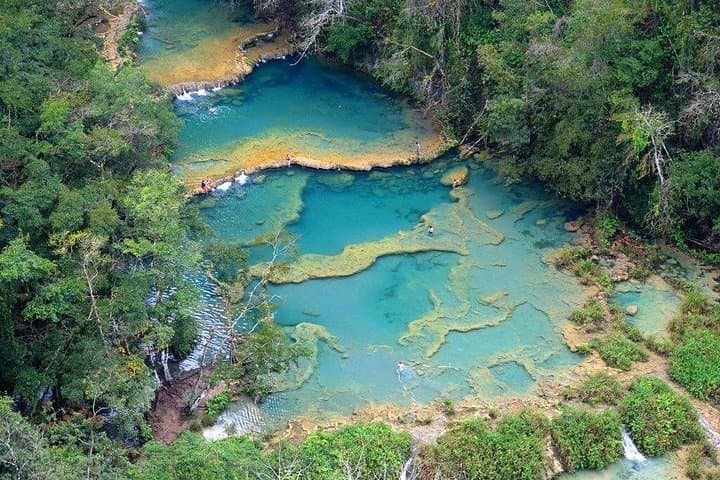
The first light arrives over a long Guatemalan road as the group climbs into a van bound for Alta Verapaz; by noon the turquoise steps of Semuc Champey are pushing and pooling water into shallow natural terraces that beg for a cool, sudden plunge.
Verified experiences and guided adventures in the surrounding area.
Operated by Guate Tours by Nelson. · Guatemala City, Guatemala Department
The first light arrives over a long Guatemalan road as the group climbs into a van bound for Alta Verapaz; by noon the turquoise steps of Semuc Champey are pushing and pooling water into shallow natural terraces that beg for a cool, sudden plunge.
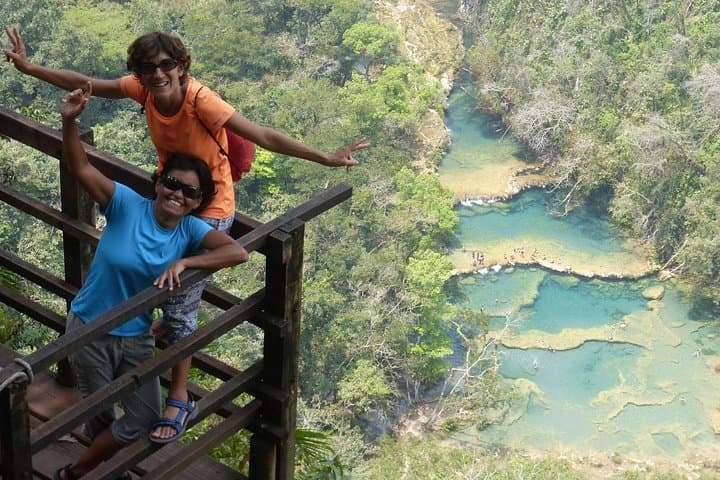
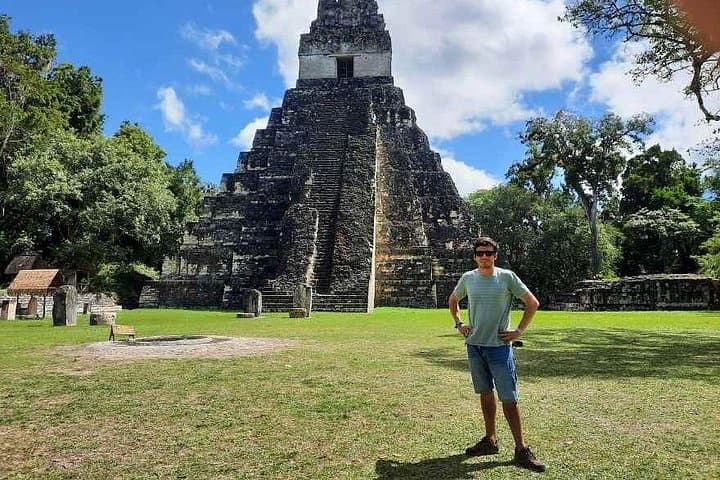
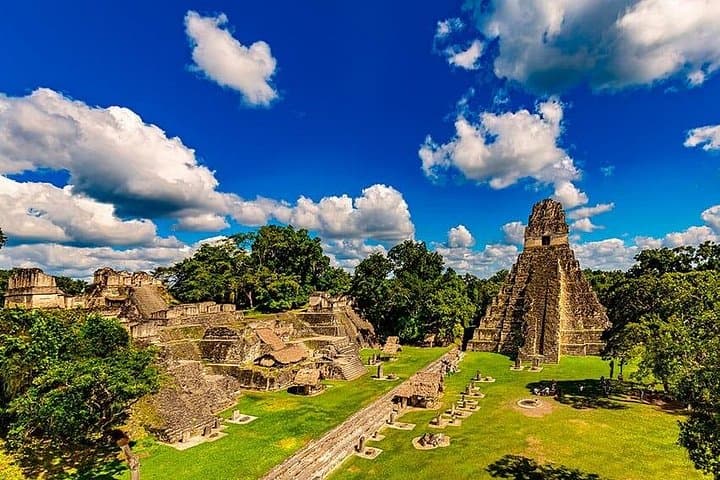
Over five days the itinerary stitches together jungle temples, limestone pools, and a broad river corridor—each landscape with its own character. Semuc Champey sits atop karst limestone carved by centuries of underground rivers; its stepped pools and lookout require a short climb and easy scrambling. Tikal unfolds older and larger: jungle-built plazas and towering Maya temples that still hold echoing shafts of morning light and the calls of howler monkeys. Río Dulce cuts a tropical waterway through mangroves to Livingston, where Garífuna culture colors the shoreline; Quiriguá in Izabal preserves some of the tallest carved stelae in the Maya world, set on a low, fertile plain.
Travelers should expect long transfers—early pickups, several multi-hour drives—and a mix of activities: swimming, short hikes, boat time, and guided archaeological walks. Climate is hot and humid in lowlands and sticky in the forest; mosquitoes are persistent. Practical notes: bring quick-dry clothing, water treatment or a refillable bottle, sturdy trail shoes with grip for wet rock, and cash for small villages. Sunrise at Tikal is worth the early wakeup; a local bilingual guide will deepen the context on Maya history, biodiversity, and current conservation challenges.
This tour is immersive rather than rushed: it pairs active time in nature with cultural stops, making it a solid choice for travelers seeking a compact but varied introduction to Guatemala’s ecological and archaeological highlights.
Moderate: expect several hours of travel each day, short hikes, stairs and some uneven, wet terrain; a basic level of fitness is recommended.
Entrance fees and included admissions are listed in the tour inclusions—confirm what’s covered at booking as some transfers may require additional local payments.
Bring a waterproof layer, hat, sunscreen, and a small dry bag for electronics; boats can spray when passing narrow channels.
The tour provides lunches and accommodations in eco-lodges—notify the operator ahead of time to accommodate allergies or dietary needs.
Guate Tours by Nelson. operates guided outdoor trips and adventures with an emphasis on safety, stewardship, and memorable experiences.
The first light arrives over a long Guatemalan road as the group climbs into a van bound for Alta Verapaz; by noon the turquoise steps of Semuc Champey are pushing and pooling water into shallow natural terraces that beg for a cool, sudden plunge.
The first light arrives over a long Guatemalan road as the group climbs into a van bound for Alta Verapaz; by noon the turquoise steps of Semuc Champey are pushing and pooling water into shallow natural terraces that beg for a cool, sudden plunge.
Over five days the itinerary stitches together jungle temples, limestone pools, and a broad river corridor—each landscape with its own character. Semuc Champey sits atop karst limestone carved by centuries of underground rivers; its stepped pools and lookout require a short climb and easy scrambling. Tikal unfolds older and larger: jungle-built plazas and towering Maya temples that still hold echoing shafts of morning light and the calls of howler monkeys. Río Dulce cuts a tropical waterway through mangroves to Livingston, where Garífuna culture colors the shoreline; Quiriguá in Izabal preserves some of the tallest carved stelae in the Maya world, set on a low, fertile plain.
Travelers should expect long transfers—early pickups, several multi-hour drives—and a mix of activities: swimming, short hikes, boat time, and guided archaeological walks. Climate is hot and humid in lowlands and sticky in the forest; mosquitoes are persistent. Practical notes: bring quick-dry clothing, water treatment or a refillable bottle, sturdy trail shoes with grip for wet rock, and cash for small villages. Sunrise at Tikal is worth the early wakeup; a local bilingual guide will deepen the context on Maya history, biodiversity, and current conservation challenges.
This tour is immersive rather than rushed: it pairs active time in nature with cultural stops, making it a solid choice for travelers seeking a compact but varied introduction to Guatemala’s ecological and archaeological highlights.