THE ADVENTURE COLLECTIVE® · Independent discovery and booking for outdoor travel

A five‑day private overland journey from Hurghada visiting Luxor, Aswan and Abu Simbel, combining monumental temples, river islands and the Aswan High Dam. Expect guided walks, boat transfers to Philae and early starts to beat the heat.
A five‑day private overland journey from Hurghada visiting Luxor, Aswan and Abu Simbel, combining monumental temples, river islands and the Aswan High Dam. Expect guided walks, boat transfers to Philae and early starts to beat the heat.
Dawn light slants across the Red Sea as a private vehicle pulls out of Hurghada, the highway swallowing the city behind you and the Nile’s story stretching ahead. The caravan of temples, tombs and river islands unfolds across five days: Karnak and Luxor’s avenue of kings, the carved silence of the Valley of the Kings, the twin faces of Kom Ombo, and the monumental gaze of Abu Simbel carved into the cliff.
Verified experiences and guided adventures in the surrounding area.
Operated by D.Done travel Egypt · Hurghada, Red Sea Governorate
Dawn light slants across the Red Sea as a private vehicle pulls out of Hurghada, the highway swallowing the city behind you and the Nile’s story stretching ahead. The caravan of temples, tombs and river islands unfolds across five days: Karnak and Luxor’s avenue of kings, the carved silence of the Valley of the Kings, the twin faces of Kom Ombo, and the monumental gaze of Abu Simbel carved into the cliff.
This corridor is geology and empire stacked together — Nilotic silt building the floodplain, limestone cliffs sheltering mortuary temples, and sandstone façades weathered by desert winds. Centuries of pharaonic ritual and modern engineering meet here: ancient cult sites lie within sight of the 20th‑century Aswan High Dam that reshaped the river and the region’s economy.
Local culture remains tied to the Nile: markets in Luxor pulse with spice and tea sellers, feluccas drift like slow reflections, and island gardens still produce mangos and sugarcane. Along the way, expect guided walks on uneven stone, short boat transfers to Philae, and early starts to catch light inside tombs.
Practical guidance: travel light but sun‑smart — strong sun, dusty roads and many steps are constants. Allow time for checkpoints and short breaks; carry VAT card copies and a charged phone. Hydrate frequently, hire licensed guides at major sites for context, and opt for early visits to avoid midday heat. The route balances awe with manageable pacing for most travelers.
Yes — carry your passport for bookings and site entry; keep a copy in your day pack and one stored separately.
The itinerary is graded easy with vehicle transfers and short walks, but some sites have stairs; mention mobility needs at booking.
Confirm specific inclusions with the operator before travel.
The roundtrip from Aswan to Abu Simbel typically requires a very early start and about 3–4 hours each way by road, depending on stops and traffic.
D.Done travel Egypt operates guided outdoor trips and adventures with an emphasis on safety, stewardship, and memorable experiences.


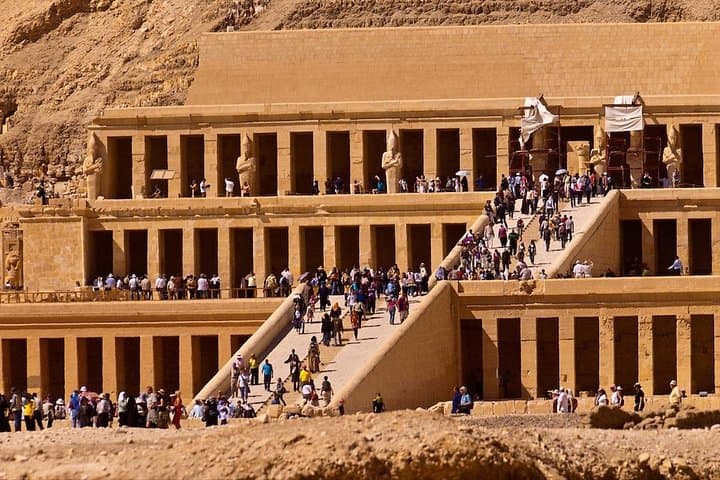
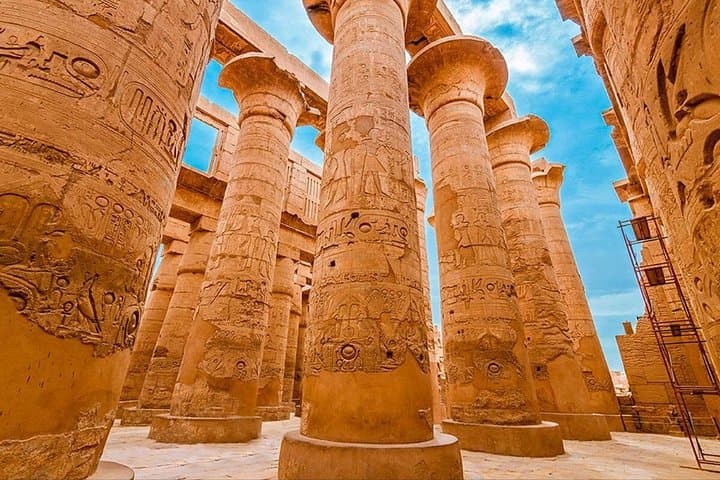
Dawn light slants across the Red Sea as a private vehicle pulls out of Hurghada, the highway swallowing the city behind you and the Nile’s story stretching ahead. The caravan of temples, tombs and river islands unfolds across five days: Karnak and Luxor’s avenue of kings, the carved silence of the Valley of the Kings, the twin faces of Kom Ombo, and the monumental gaze of Abu Simbel carved into the cliff.
Dawn light slants across the Red Sea as a private vehicle pulls out of Hurghada, the highway swallowing the city behind you and the Nile’s story stretching ahead. The caravan of temples, tombs and river islands unfolds across five days: Karnak and Luxor’s avenue of kings, the carved silence of the Valley of the Kings, the twin faces of Kom Ombo, and the monumental gaze of Abu Simbel carved into the cliff.
This corridor is geology and empire stacked together — Nilotic silt building the floodplain, limestone cliffs sheltering mortuary temples, and sandstone façades weathered by desert winds. Centuries of pharaonic ritual and modern engineering meet here: ancient cult sites lie within sight of the 20th‑century Aswan High Dam that reshaped the river and the region’s economy.
Local culture remains tied to the Nile: markets in Luxor pulse with spice and tea sellers, feluccas drift like slow reflections, and island gardens still produce mangos and sugarcane. Along the way, expect guided walks on uneven stone, short boat transfers to Philae, and early starts to catch light inside tombs.
Practical guidance: travel light but sun‑smart — strong sun, dusty roads and many steps are constants. Allow time for checkpoints and short breaks; carry VAT card copies and a charged phone. Hydrate frequently, hire licensed guides at major sites for context, and opt for early visits to avoid midday heat. The route balances awe with manageable pacing for most travelers.