THE ADVENTURE COLLECTIVE® · Independent discovery and booking for outdoor travel

A private 5‑day traverse of the classic Inca Trail delivers cloud‑forest passes, engineered stoneways and sunrise at Inti Punku. This guide covers what to expect—altitude, campsites, permits and practical packing tips.
A private 5‑day traverse of the classic Inca Trail delivers cloud‑forest passes, engineered stoneways and sunrise at Inti Punku. This guide covers what to expect—altitude, campsites, permits and practical packing tips.
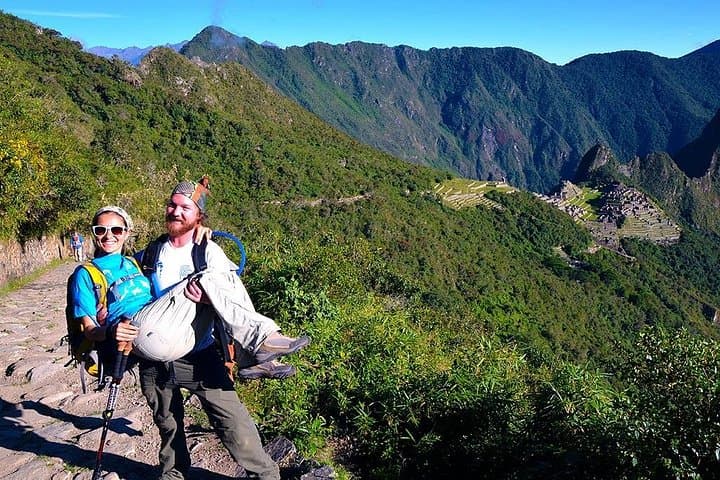
Dawn breaks along a thin Andean ridge and the trail pulls you forward: moss-slick stonework underfoot, cloud forest breathing mist into the valley, and the distant silhouette of Veronica gleaming with snow. On this private 5‑day Inca Trail, hikers follow original stone causeways, pass through Inca tunnels and cross high passes that open like doors onto new panoramas.
Verified experiences and guided adventures in the surrounding area.
Operated by Valencia Travel Agency S.a.c. · Aguas Calientes (Machu Picchu Pueblo), Cusco
Dawn breaks along a thin Andean ridge and the trail pulls you forward: moss-slick stonework underfoot, cloud forest breathing mist into the valley, and the distant silhouette of Veronica gleaming with snow. On this private 5‑day Inca Trail, hikers follow original stone causeways, pass through Inca tunnels and cross high passes that open like doors onto new panoramas.
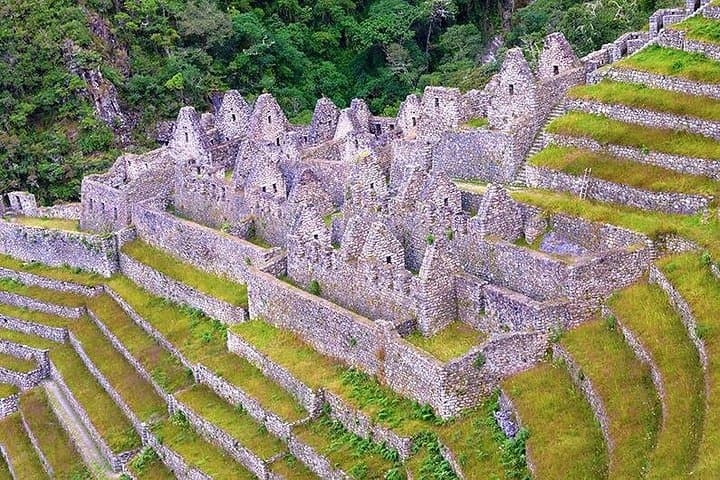
The route is part pilgrimage, part engineering marvel—sections of the same road system that once linked the Tahuantinsuyo empire. Geology shifts quickly: steep volcanic valleys, polished granite steps, and fragile cloud‑forest ecology where Polylepis and queuña cling to thin soils. Local culture remains present—archaeological sites such as Llactapata, Phuyupatamarca and Wiñay Wayna are living reminders of terrace agriculture and ritualized movement toward the sacred citadel at Machu Picchu.
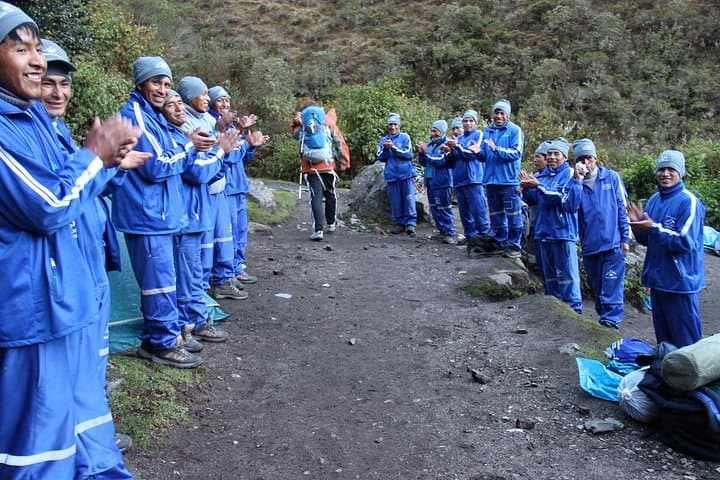
Practical realities shape the experience. Expect five days of trekking with one night in a 3‑star hotel in Aguas Calientes and four nights camping on foam mattresses; altitudes range from about 2,680m at Wiñay Wayna to Dead Woman’s Pass at 4,200m. Guides and porters manage camp logistics; meals are provided and oxygen is available. Start early on summit days, carry a daypack with rain layers, water and snacks, and plan for steep ascents and long stair sections—some days include 6–8 hours on the trail.
For planning: acclimatize in Cusco 48–72 hours, bring a sturdy pair of boots and rain protection, reserve Huayna Picchu permits well in advance, and respect permit limits—only a few hundred people may use the trail daily. The reward is unmistakable: sunrise at Inti Punku, the Sun Gate, when Machu Picchu unfolds below like a city reclaimed by mountains.
Yes. The Inca Trail is permit‑controlled and requires advance booking; private service tours handle permits but book months ahead in peak season.
It’s the highest and most strenuous climb at about 4,200m; expect a steep 2–3 hour ascent—pace yourself and watch for altitude effects.
This private itinerary includes porters, camps, foam mattresses and a cook; participants typically carry only daypacks and personal items.
Yes, but Huayna Picchu requires its own ticket with strict time slots; if desired, arrange permits early as availability fills quickly.
Valencia Travel Agency S.a.c. operates guided outdoor trips and adventures with an emphasis on safety, stewardship, and memorable experiences.

Dawn breaks along a thin Andean ridge and the trail pulls you forward: moss-slick stonework underfoot, cloud forest breathing mist into the valley, and the distant silhouette of Veronica gleaming with snow. On this private 5‑day Inca Trail, hikers follow original stone causeways, pass through Inca tunnels and cross high passes that open like doors onto new panoramas.
Dawn breaks along a thin Andean ridge and the trail pulls you forward: moss-slick stonework underfoot, cloud forest breathing mist into the valley, and the distant silhouette of Veronica gleaming with snow. On this private 5‑day Inca Trail, hikers follow original stone causeways, pass through Inca tunnels and cross high passes that open like doors onto new panoramas.
The route is part pilgrimage, part engineering marvel—sections of the same road system that once linked the Tahuantinsuyo empire. Geology shifts quickly: steep volcanic valleys, polished granite steps, and fragile cloud‑forest ecology where Polylepis and queuña cling to thin soils. Local culture remains present—archaeological sites such as Llactapata, Phuyupatamarca and Wiñay Wayna are living reminders of terrace agriculture and ritualized movement toward the sacred citadel at Machu Picchu.
Practical realities shape the experience. Expect five days of trekking with one night in a 3‑star hotel in Aguas Calientes and four nights camping on foam mattresses; altitudes range from about 2,680m at Wiñay Wayna to Dead Woman’s Pass at 4,200m. Guides and porters manage camp logistics; meals are provided and oxygen is available. Start early on summit days, carry a daypack with rain layers, water and snacks, and plan for steep ascents and long stair sections—some days include 6–8 hours on the trail.
For planning: acclimatize in Cusco 48–72 hours, bring a sturdy pair of boots and rain protection, reserve Huayna Picchu permits well in advance, and respect permit limits—only a few hundred people may use the trail daily. The reward is unmistakable: sunrise at Inti Punku, the Sun Gate, when Machu Picchu unfolds below like a city reclaimed by mountains.