THE ADVENTURE COLLECTIVE® · Independent discovery and booking for outdoor travel

A five-day small-group loop from Edinburgh that stitches together Mull, Iona, Staffa and Skye. Expect dramatic coastal geology, historic abbeys and ferry crossings—ideal for travelers who want islands without planning every connection.
A five-day small-group loop from Edinburgh that stitches together Mull, Iona, Staffa and Skye. Expect dramatic coastal geology, historic abbeys and ferry crossings—ideal for travelers who want islands without planning every connection.
You step onto the mini-coach at St Andrew Square with rainproofs in hand and a restless sense of curiosity. The city falls away as the road peels west, and by late afternoon the air has the salt-sweet bite of the Atlantic. The group rumbles through lochs and glens; glassy water dares you to look deeper, and cliffs lean in as if to whisper their old names.
Verified experiences and guided adventures in the surrounding area.
Operated by Rabbies Trail Burners · Edinburgh, Scotland
You step onto the mini-coach at St Andrew Square with rainproofs in hand and a restless sense of curiosity. The city falls away as the road peels west, and by late afternoon the air has the salt-sweet bite of the Atlantic. The group rumbles through lochs and glens; glassy water dares you to look deeper, and cliffs lean in as if to whisper their old names.
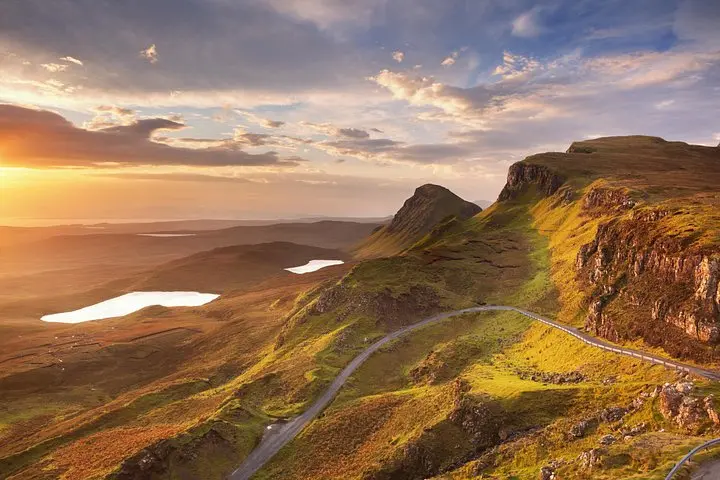
Over five days this small-group tour threads together islands and seascapes that have shaped Scotland’s story. On Mull and Iona, gravel beaches and low cliffs hold the archaeology of early Celtic Christianity—stone crosses and the remains of monastic cells—while Staffa’s hexagonal basalt columns show a far older, volcanic language written in rock. Skye’s Trotternish Ridge is a sculpted spine of ancient lava flows and landslips; Quiraing and the Old Man of Storr read like chapters in the island’s geological atlas.
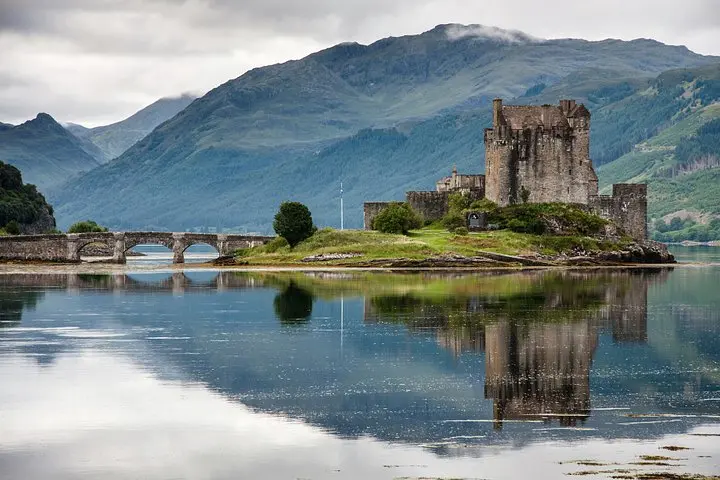
The cultural through-line is economy and endurance: fishing, kelp, crofting, and the quiet hospitality of family-run B&Bs. In Oban you’ll pass Victorian piers that launched a modern tourism era; in Balmacara the hotel looks out over Loch Alsh, where castle silhouettes punctuate the horizon. Guides on this route balance storytelling with route knowledge—local legends mix with practical facts about ferries, tide windows and seasonal bird colonies.
Practicalities anchor the romance. Transport runs on a 16-seat Mercedes mini-coach and multiple short ferry crossings; luggage is limited to one medium bag (20 kg). Free time on Iona is scheduled, but an optional boat trip to Staffa (with Fingal’s Cave) must be purchased on tour and depends on sea and weather. Walks are generally short but include uneven paths, causeways and ferry embarkations that reward steady shoes and layered clothing.
For photographers and birdwatchers, mornings and late afternoons offer the soft light that flatters peat-stained lochs and basalt cliffs; puffins and guillemots are common on Staffa in season. If the sea tends to trouble you, bring motion-sickness medication and pick a seat on the coach where you feel most comfortable.
This itinerary is ideal for travelers who want concentrated exposure to Scotland’s west-coast islands without the logistics of independent travel—pack light, expect variable weather, and plan a few extra days in Edinburgh if you want to explore the city before or after the tour. The landscape out west will demand nothing more than your attention, and in return it gives island time, ash-black cliffs, and a lineage of stories that travel as far back as the rocks themselves.
The tour reserves tickets but you pay on the day; availability depends on weather, so have flexibility—if you miss it you still have Iona and Mull to explore.
One medium bag up to 20 kg (approx 44 lbs) plus a small personal bag for onboard items—plan outfits accordingly.
Walks are short to moderate, on uneven terrain—no technical hiking required, but good footwear and mobility are important.
Accommodation is 4 nights en-suite in B&Bs or 3-star hotels; rooms are a mix of doubles, twins and family rooms—note any accessibility needs when booking.
Minimum age is 5 years; families are welcome but consider ferry transfers and weather variability when traveling with young children.
Ferry and boat excursions are subject to weather; the operator may alter the schedule but typically maintains core stops using alternative routes when possible.
Rabbies Trail Burners operates guided outdoor trips and adventures with an emphasis on safety, stewardship, and memorable experiences.

You step onto the mini-coach at St Andrew Square with rainproofs in hand and a restless sense of curiosity. The city falls away as the road peels west, and by late afternoon the air has the salt-sweet bite of the Atlantic. The group rumbles through lochs and glens; glassy water dares you to look deeper, and cliffs lean in as if to whisper their old names.
You step onto the mini-coach at St Andrew Square with rainproofs in hand and a restless sense of curiosity. The city falls away as the road peels west, and by late afternoon the air has the salt-sweet bite of the Atlantic. The group rumbles through lochs and glens; glassy water dares you to look deeper, and cliffs lean in as if to whisper their old names.
Over five days this small-group tour threads together islands and seascapes that have shaped Scotland’s story. On Mull and Iona, gravel beaches and low cliffs hold the archaeology of early Celtic Christianity—stone crosses and the remains of monastic cells—while Staffa’s hexagonal basalt columns show a far older, volcanic language written in rock. Skye’s Trotternish Ridge is a sculpted spine of ancient lava flows and landslips; Quiraing and the Old Man of Storr read like chapters in the island’s geological atlas.
The cultural through-line is economy and endurance: fishing, kelp, crofting, and the quiet hospitality of family-run B&Bs. In Oban you’ll pass Victorian piers that launched a modern tourism era; in Balmacara the hotel looks out over Loch Alsh, where castle silhouettes punctuate the horizon. Guides on this route balance storytelling with route knowledge—local legends mix with practical facts about ferries, tide windows and seasonal bird colonies.
Practicalities anchor the romance. Transport runs on a 16-seat Mercedes mini-coach and multiple short ferry crossings; luggage is limited to one medium bag (20 kg). Free time on Iona is scheduled, but an optional boat trip to Staffa (with Fingal’s Cave) must be purchased on tour and depends on sea and weather. Walks are generally short but include uneven paths, causeways and ferry embarkations that reward steady shoes and layered clothing.
For photographers and birdwatchers, mornings and late afternoons offer the soft light that flatters peat-stained lochs and basalt cliffs; puffins and guillemots are common on Staffa in season. If the sea tends to trouble you, bring motion-sickness medication and pick a seat on the coach where you feel most comfortable.
This itinerary is ideal for travelers who want concentrated exposure to Scotland’s west-coast islands without the logistics of independent travel—pack light, expect variable weather, and plan a few extra days in Edinburgh if you want to explore the city before or after the tour. The landscape out west will demand nothing more than your attention, and in return it gives island time, ash-black cliffs, and a lineage of stories that travel as far back as the rocks themselves.