THE ADVENTURE COLLECTIVE® · Independent discovery and booking for outdoor travel

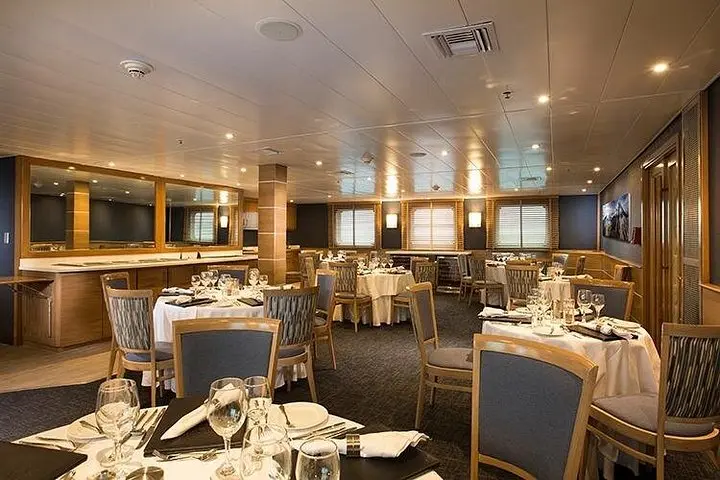
Board the classic Isabela II for a focused five-day northeastern Galápagos route: giant tortoises, seabird colonies, snorkeling with marine iguanas, and secluded beaches. This expedition combines daily landings with guided naturalist briefings and onboard comforts.
Board the classic Isabela II for a focused five-day northeastern Galápagos route: giant tortoises, seabird colonies, snorkeling with marine iguanas, and secluded beaches. This expedition combines daily landings with guided naturalist briefings and onboard comforts.
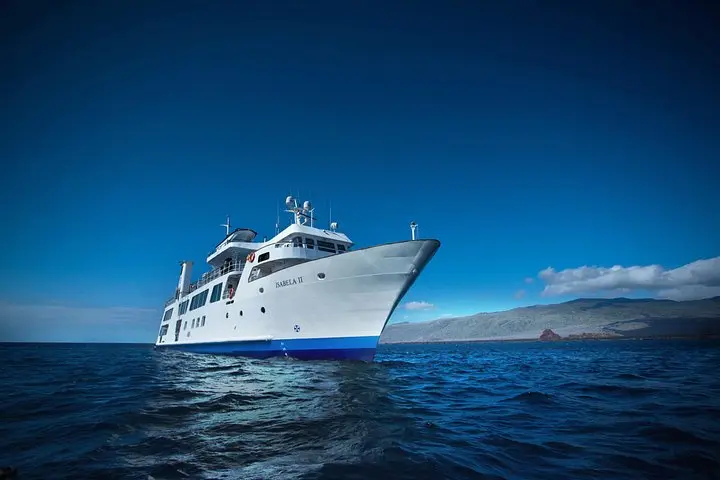
The yacht slips away from Puerto Ayora at dawn and the ocean immediately takes a new cadence — playful swells, a steady gull chorus, and the bright, dry heat of the equator pressing against the deck. On day one you climb into the humid highlands of Santa Cruz, where giant tortoises move with deliberate curiosity, then board Isabela II and feel the islands redraw the horizon.
Verified experiences and guided adventures in the surrounding area.
Operated by Metropolitan Touring · Puerto Ayora, Galápagos
The yacht slips away from Puerto Ayora at dawn and the ocean immediately takes a new cadence — playful swells, a steady gull chorus, and the bright, dry heat of the equator pressing against the deck. On day one you climb into the humid highlands of Santa Cruz, where giant tortoises move with deliberate curiosity, then board Isabela II and feel the islands redraw the horizon.
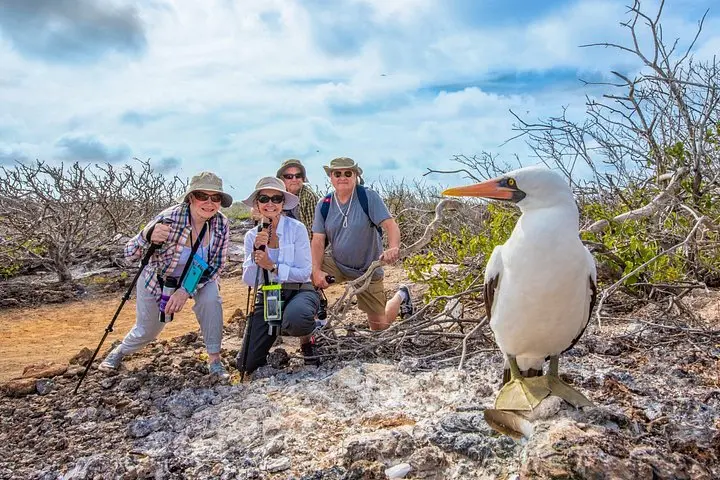
The Galápagos are geologically young: volcanic layers and recent tuff cones form black beaches and low cliffs that marine life has claimed. Human history here is small but significant — whalers, settlers, and later scientists shaped the islands' protection as a national park in 1959 and a UNESCO site in 1978. Genovesa, nicknamed Bird Island, is a living ornithological theater where red-footed and Nazca boobies breed on wind-scoured plateaus, while lava flows and saltbush on South Plaza host endemic land iguanas.
Practically, expect a mix of wet and dry landings, short guided hikes over uneven lava rock, and multiple snorkel sessions in warm, nutrient-rich water. Bring reef-safe sunscreen, a snug mask, and footwear that grips wet volcanic sand. Time your days for morning or late-afternoon wildlife activity; boats and zodiacs may be your main access on rough days. Guides will brief on quarantine rules and park protocols — the islands are fragile and rules are strict.
By night, stargazing from the deck feels literal: the islands will return the gaze. Plan for active days, basic sea motion, and close, frequent encounters with wildlife — the archipelago is designed to reward attention and respect.
Yes — all visitors pay a Galápagos National Park entrance fee on arrival; operators usually assist with logistics but carry passport details and the fee ready.
Yes — the itinerary visits Santa Cruz highlands for tortoises and islands like Santa Fe and South Plaza where land iguanas are commonly observed.
Snorkeling is scheduled at multiple sites; basic equipment is provided onboard but many travelers bring personal masks and fins for comfort and fit.
Yes — routes and landings are subject to Galápagos Park regulations, weather, and sea conditions; guides will substitute equivalent sites when necessary.
Metropolitan Touring operates guided outdoor trips and adventures with an emphasis on safety, stewardship, and memorable experiences.

The yacht slips away from Puerto Ayora at dawn and the ocean immediately takes a new cadence — playful swells, a steady gull chorus, and the bright, dry heat of the equator pressing against the deck. On day one you climb into the humid highlands of Santa Cruz, where giant tortoises move with deliberate curiosity, then board Isabela II and feel the islands redraw the horizon.
The yacht slips away from Puerto Ayora at dawn and the ocean immediately takes a new cadence — playful swells, a steady gull chorus, and the bright, dry heat of the equator pressing against the deck. On day one you climb into the humid highlands of Santa Cruz, where giant tortoises move with deliberate curiosity, then board Isabela II and feel the islands redraw the horizon.
The Galápagos are geologically young: volcanic layers and recent tuff cones form black beaches and low cliffs that marine life has claimed. Human history here is small but significant — whalers, settlers, and later scientists shaped the islands' protection as a national park in 1959 and a UNESCO site in 1978. Genovesa, nicknamed Bird Island, is a living ornithological theater where red-footed and Nazca boobies breed on wind-scoured plateaus, while lava flows and saltbush on South Plaza host endemic land iguanas.
Practically, expect a mix of wet and dry landings, short guided hikes over uneven lava rock, and multiple snorkel sessions in warm, nutrient-rich water. Bring reef-safe sunscreen, a snug mask, and footwear that grips wet volcanic sand. Time your days for morning or late-afternoon wildlife activity; boats and zodiacs may be your main access on rough days. Guides will brief on quarantine rules and park protocols — the islands are fragile and rules are strict.
By night, stargazing from the deck feels literal: the islands will return the gaze. Plan for active days, basic sea motion, and close, frequent encounters with wildlife — the archipelago is designed to reward attention and respect.