THE ADVENTURE COLLECTIVE® · Independent discovery and booking for outdoor travel

A compact five-day circuit from Jerusalem that balances holy sites, coastal ruins and desert panoramas. Float in the Dead Sea, ascend Masada, and explore Galilean towns with a local guide handling logistics and insights.
A compact five-day circuit from Jerusalem that balances holy sites, coastal ruins and desert panoramas. Float in the Dead Sea, ascend Masada, and explore Galilean towns with a local guide handling logistics and insights.
You step out of Jerusalem’s shade into a landscape that changes by the hour: limestone ridges give way to the blue ribbon of the Sea of Galilee, then the stark, wind-sculpted faces of the Judean Desert rise to meet Masada.
Verified experiences and guided adventures in the surrounding area.
Operated by Bein Harim Ltd · Jerusalem, Jerusalem District
You step out of Jerusalem’s shade into a landscape that changes by the hour: limestone ridges give way to the blue ribbon of the Sea of Galilee, then the stark, wind-sculpted faces of the Judean Desert rise to meet Masada.
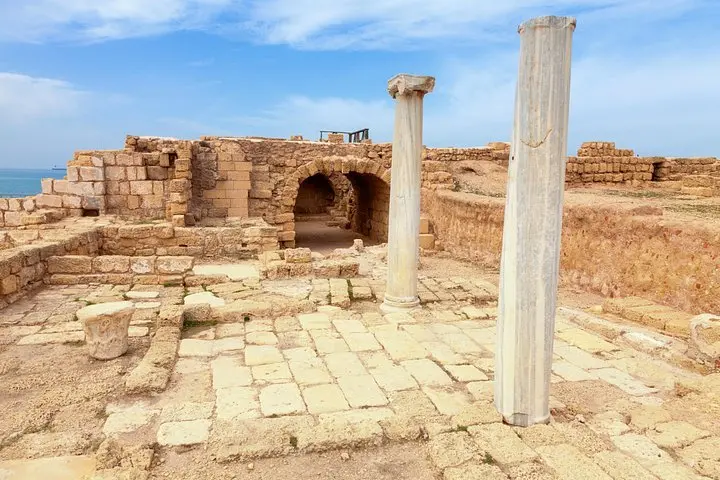
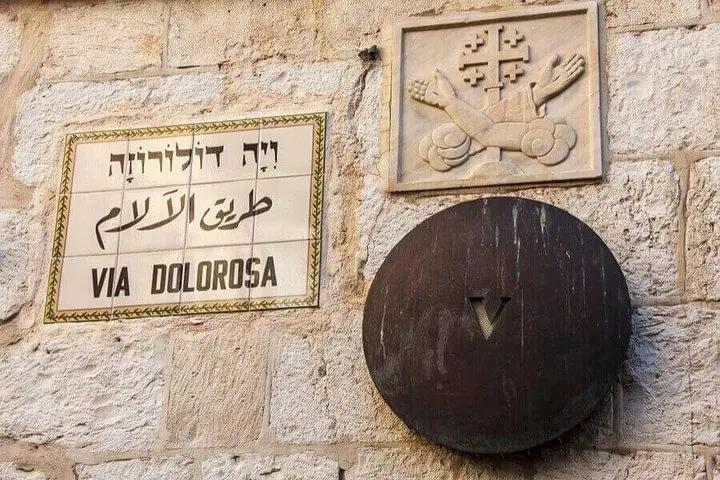
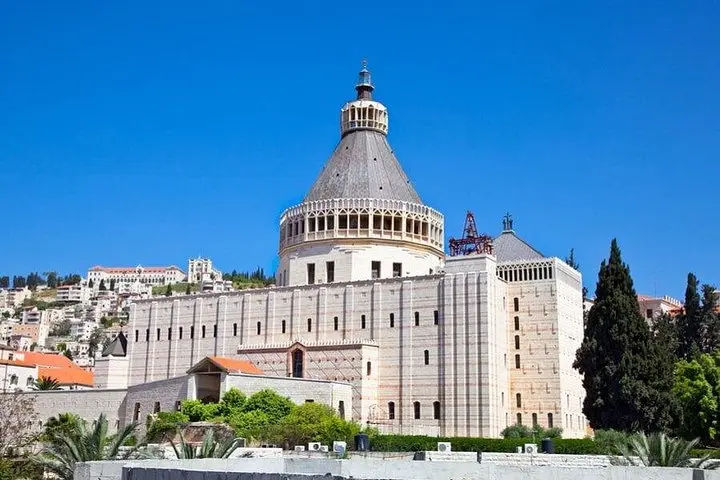
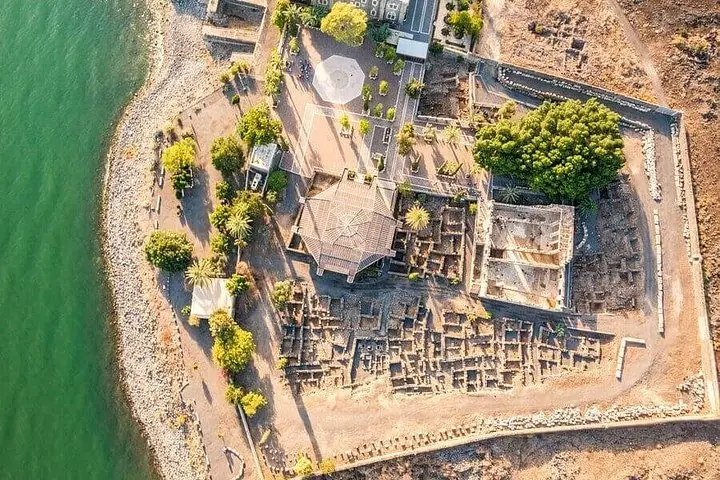
This five-day loop threads ancient history and geological drama. Walk the flagstone arteries of Jerusalem’s Old City, trace Roman columns at Caesarea’s harbor, ride a cable car to the grottoes of Rosh Hanikra, and float in the hypersaline Dead Sea where evaporite chemistry leaves salt-encrusted stones like little moons. In the north, Nazareth and the Sea of Galilee sit on volcanic and sedimentary layers that shaped millennia of settlements. The Golan’s bunkers and Mount Bental tell modern history; Acre’s underground Crusader city speaks to medieval strategy.
Local culture shifts from market vendors in the Muslim Quarter to quiet prayer at the Western Wall; modest dress and respectful behavior at holy sites are expected. Guides link archaeology, scripture and geology so each stop reads as both place and page of history.
Practical edge: expect long days of guided walking and bus transfers—pack breathable layers, sturdy shoes, sun protection and a small towel for Dead Sea time. Carry your passport and photocopies, and note that itinerary order can change. Best times to travel are spring and fall for milder temperatures; summers are hot and winters can bring showers. Hydrate, start early on hot days, and allow time on your own inside Jerusalem’s Old City to absorb slower rhythms between guided highlights.
The tour notes it is not suitable for children under 4; older children can join but expect long travel days and some rough terrain at ancient sites.
Yes—a valid passport is required and should be carried (or a photocopy) during the tour, especially when crossing checkpoints or entering certain sites.
Admission to national parks like Masada and some archaeological sites is included per the itinerary, but confirm at booking for any site-specific fees or cable car supplements.
The operator can coordinate a visit to Yardenit, the main baptism site, but organizing a baptism with a priest is managed separately with Yardenit and may require advance arrangements.
Bein Harim Ltd operates guided outdoor trips and adventures with an emphasis on safety, stewardship, and memorable experiences.
You step out of Jerusalem’s shade into a landscape that changes by the hour: limestone ridges give way to the blue ribbon of the Sea of Galilee, then the stark, wind-sculpted faces of the Judean Desert rise to meet Masada.
You step out of Jerusalem’s shade into a landscape that changes by the hour: limestone ridges give way to the blue ribbon of the Sea of Galilee, then the stark, wind-sculpted faces of the Judean Desert rise to meet Masada.
This five-day loop threads ancient history and geological drama. Walk the flagstone arteries of Jerusalem’s Old City, trace Roman columns at Caesarea’s harbor, ride a cable car to the grottoes of Rosh Hanikra, and float in the hypersaline Dead Sea where evaporite chemistry leaves salt-encrusted stones like little moons. In the north, Nazareth and the Sea of Galilee sit on volcanic and sedimentary layers that shaped millennia of settlements. The Golan’s bunkers and Mount Bental tell modern history; Acre’s underground Crusader city speaks to medieval strategy.
Local culture shifts from market vendors in the Muslim Quarter to quiet prayer at the Western Wall; modest dress and respectful behavior at holy sites are expected. Guides link archaeology, scripture and geology so each stop reads as both place and page of history.
Practical edge: expect long days of guided walking and bus transfers—pack breathable layers, sturdy shoes, sun protection and a small towel for Dead Sea time. Carry your passport and photocopies, and note that itinerary order can change. Best times to travel are spring and fall for milder temperatures; summers are hot and winters can bring showers. Hydrate, start early on hot days, and allow time on your own inside Jerusalem’s Old City to absorb slower rhythms between guided highlights.