THE ADVENTURE COLLECTIVE® · Independent discovery and booking for outdoor travel

Five days that thread Amman, Jerusalem, the Dead Sea, Petra and Wadi Rum into a private, all-inclusive circuit. Expect early starts, dramatic light, and a practical pace that balances sightseeing with time to float, hike and watch the desert change at sunset.
Five days that thread Amman, Jerusalem, the Dead Sea, Petra and Wadi Rum into a private, all-inclusive circuit. Expect early starts, dramatic light, and a practical pace that balances sightseeing with time to float, hike and watch the desert change at sunset.
You step off the plane into the warm, slightly mineral air of Queen Alia Airport and within an hour the road opens: scrubby hills give way to ochre rock, the skyline flattens, and you understand why people have traveled this corridor for millennia.
Verified experiences and guided adventures in the surrounding area.
Operated by Tour Experts · Amman, Amman Governorate
You step off the plane into the warm, slightly mineral air of Queen Alia Airport and within an hour the road opens: scrubby hills give way to ochre rock, the skyline flattens, and you understand why people have traveled this corridor for millennia.
This five-day private circuit stitches together the region’s headline attractions—Amman’s street-level energy, the Old City’s layered faiths in Jerusalem, the gravity-defying buoyancy of the Dead Sea, the carved facades of Petra, and the iron-red plains of Wadi Rum. The itinerary moves with a pragmatic rhythm: airport pickup in Amman, a full day in Jerusalem to walk the Mount of Olives, Haram al-Sharif and the Church of the Holy Sepulchre, a dawn transfer to the Baptism site, then into Jordan for Petra’s Siq at first light and the evening spectacle of Wadi Rum’s desert sunset.
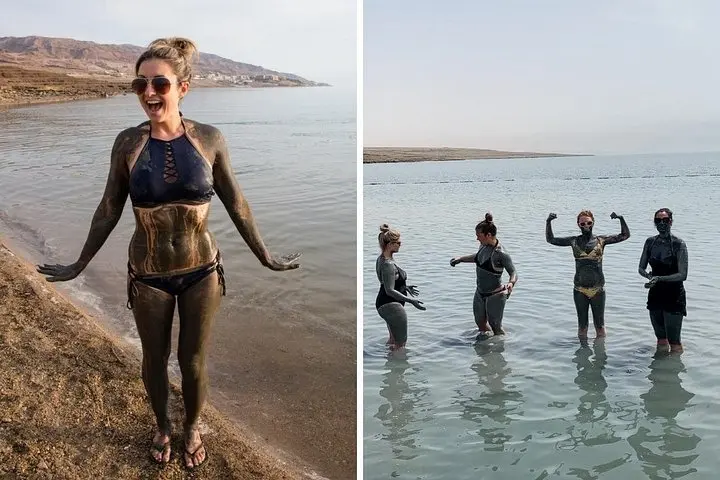
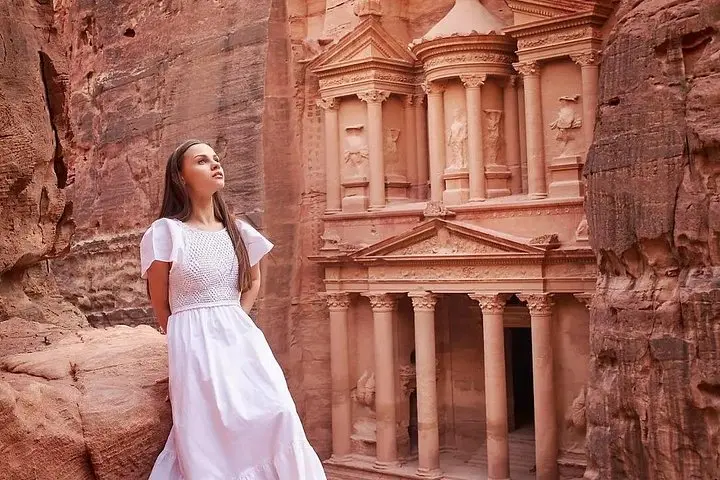
Geology here reads like a slow-motion script: sandstone and conglomerate in Petra shaped by flash floods and wind to become façades that the Nabataeans carved into cliff faces 2,000 years ago. Wadi Rum’s granite and sandstone domes were sculpted by sand and time into arches and towers; the Dead Sea, the lowest exposed point on Earth, continues to recede as freshwater inflows diminish—an environmental subplot you’ll notice in the shoreline’s jagged terraces.
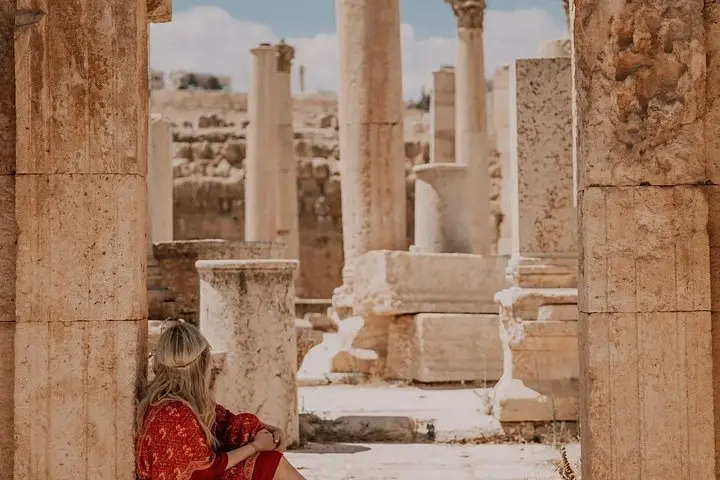
Culture and history are immediate and layered—Jerusalem’s plazas have been holy ground and contested ground for millennia; Petra still bears the traces of Nabataean traders who linked Arabia and the Mediterranean. Bedouin culture remains visible in Wadi Rum: tea, camp cooking, and tented hospitality are part of the experience, not stagecraft.
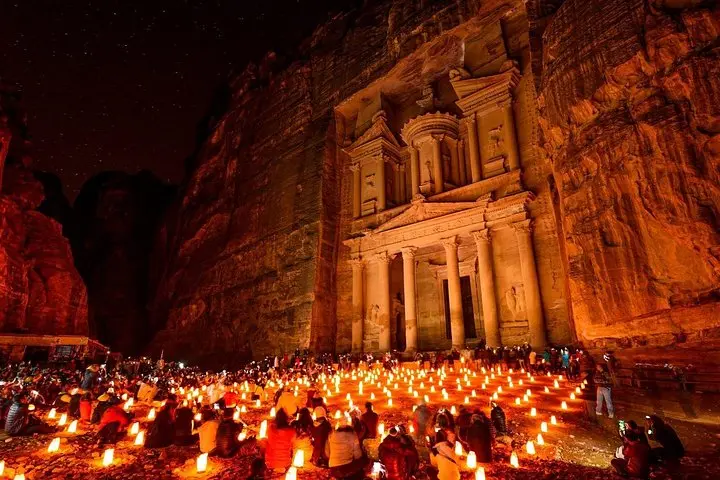
For practical travel: plan on a lot of short, guided walks punctuated by longer transfers—expect two to four hours of walking on days in Jerusalem and Petra (steps, uneven stone, and sandy tracks). Early starts are rewarded at Petra’s Treasury and in Wadi Rum where the light sculpts color into the desert. Passport and visa rules can be complex if crossing between Jordan and Israel; the operator handles logistics but verify visa needs for your nationality well before travel.
Gear-wise, opt for sturdy, broken-in walking shoes, sun protection, and a refillable water bottle—the companies supply bottled water but hydration is non-negotiable. Leave room for layers: mornings in the desert can be cool, daytime inland heat can be intense.
This is a trip to move through a landscape that still exerts agency: cliffs that challenge your sense of scale, a saline sea that refuses to let you sink, and deserts that stretch patience and wonder in equal measure. With a private vehicle, local guides, and a clear pace, the route balances spectacle and practicality—bringing the history to your feet and the geology into view without hurrying either one.
Yes—pickup is included from Queen Alia International Airport; the driver meets you at arrivals holding a sign with the lead passenger’s name.
Visa requirements depend on nationality; the operator coordinates border logistics, but confirm entry rules with your embassy before travel.
Yes—accommodations are provided in 3–5* hotels and Wadi Rum tents depending on option; breakfasts are included and at least one dinner is provided per the itinerary.
Floating is safe for most people—avoid getting saltwater in eyes or open wounds and rinse thoroughly after; pregnant travelers and those with certain conditions should consult a doctor.
Expect several hours of walking on uneven stone and stairs; Petra involves up-and-down sections and a long approach through the Siq—comfortable shoes are essential.
Yes—options range from VIP to luxury martian tents with mattresses and facilities; bring layers for cool nights and check specific camp amenities when booking.
Tour Experts operates guided outdoor trips and adventures with an emphasis on safety, stewardship, and memorable experiences.
You step off the plane into the warm, slightly mineral air of Queen Alia Airport and within an hour the road opens: scrubby hills give way to ochre rock, the skyline flattens, and you understand why people have traveled this corridor for millennia.
You step off the plane into the warm, slightly mineral air of Queen Alia Airport and within an hour the road opens: scrubby hills give way to ochre rock, the skyline flattens, and you understand why people have traveled this corridor for millennia.
This five-day private circuit stitches together the region’s headline attractions—Amman’s street-level energy, the Old City’s layered faiths in Jerusalem, the gravity-defying buoyancy of the Dead Sea, the carved facades of Petra, and the iron-red plains of Wadi Rum. The itinerary moves with a pragmatic rhythm: airport pickup in Amman, a full day in Jerusalem to walk the Mount of Olives, Haram al-Sharif and the Church of the Holy Sepulchre, a dawn transfer to the Baptism site, then into Jordan for Petra’s Siq at first light and the evening spectacle of Wadi Rum’s desert sunset.
Geology here reads like a slow-motion script: sandstone and conglomerate in Petra shaped by flash floods and wind to become façades that the Nabataeans carved into cliff faces 2,000 years ago. Wadi Rum’s granite and sandstone domes were sculpted by sand and time into arches and towers; the Dead Sea, the lowest exposed point on Earth, continues to recede as freshwater inflows diminish—an environmental subplot you’ll notice in the shoreline’s jagged terraces.
Culture and history are immediate and layered—Jerusalem’s plazas have been holy ground and contested ground for millennia; Petra still bears the traces of Nabataean traders who linked Arabia and the Mediterranean. Bedouin culture remains visible in Wadi Rum: tea, camp cooking, and tented hospitality are part of the experience, not stagecraft.
For practical travel: plan on a lot of short, guided walks punctuated by longer transfers—expect two to four hours of walking on days in Jerusalem and Petra (steps, uneven stone, and sandy tracks). Early starts are rewarded at Petra’s Treasury and in Wadi Rum where the light sculpts color into the desert. Passport and visa rules can be complex if crossing between Jordan and Israel; the operator handles logistics but verify visa needs for your nationality well before travel.
Gear-wise, opt for sturdy, broken-in walking shoes, sun protection, and a refillable water bottle—the companies supply bottled water but hydration is non-negotiable. Leave room for layers: mornings in the desert can be cool, daytime inland heat can be intense.
This is a trip to move through a landscape that still exerts agency: cliffs that challenge your sense of scale, a saline sea that refuses to let you sink, and deserts that stretch patience and wonder in equal measure. With a private vehicle, local guides, and a clear pace, the route balances spectacle and practicality—bringing the history to your feet and the geology into view without hurrying either one.