THE ADVENTURE COLLECTIVE® · Independent discovery and booking for outdoor travel

Five days across Jordan folds Byzantine mosaics, the Dead Sea’s buoyant quiet, Petra’s rock-carved façades, and Wadi Rum’s wind-sculpted desert into a compact, transport-packed itinerary. Perfect for first-time visitors who want history, geology and big moments without the logistics headaches.
Five days across Jordan folds Byzantine mosaics, the Dead Sea’s buoyant quiet, Petra’s rock-carved façades, and Wadi Rum’s wind-sculpted desert into a compact, transport-packed itinerary. Perfect for first-time visitors who want history, geology and big moments without the logistics headaches.
You step out of Queen Alia Airport into a dry, warm evening and the driver holds a sign with your name—an efficient opening to five days that travel writers call cinematic and locals call routine. The road into Amman climbs into white-stucco neighborhoods, then unfurls westward through olive-studded hills toward mosaics, monastic ruins, a salted sea that refuses to swallow you, and a city carved in stone.
Verified experiences and guided adventures in the surrounding area.
Operated by Tour Experts · Amman, Amman Governorate
You step out of Queen Alia Airport into a dry, warm evening and the driver holds a sign with your name—an efficient opening to five days that travel writers call cinematic and locals call routine. The road into Amman climbs into white-stucco neighborhoods, then unfurls westward through olive-studded hills toward mosaics, monastic ruins, a salted sea that refuses to swallow you, and a city carved in stone.
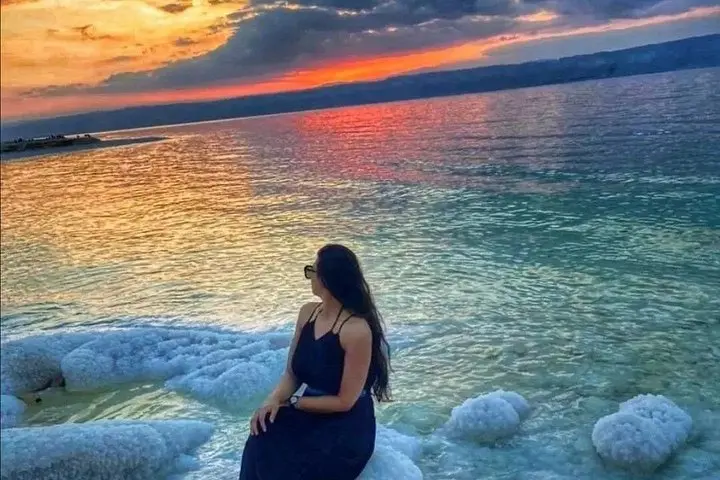
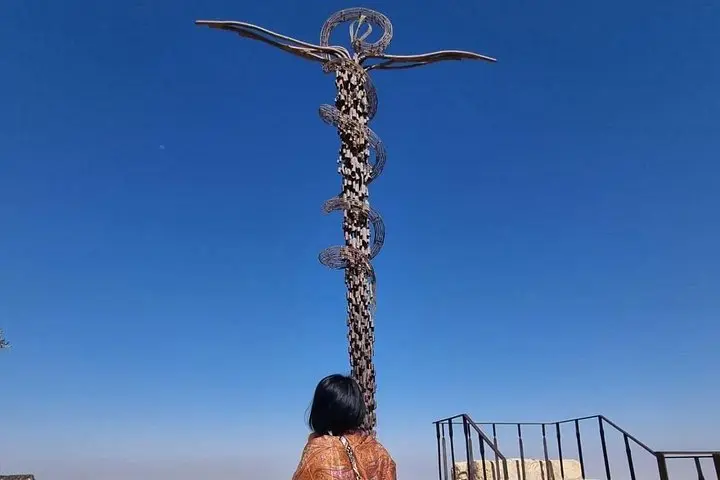
This itinerary strings Jordan’s headline sites into a compact backbone. In Madaba, tile fragments gather into the oldest surviving map of the Holy Land; each tessera is a fragment of Byzantine cartography and civic pride. A short drive pushes you up to Mount Nebo, where limestone and basalt meet Jordan Valley air and — according to tradition — Moses glimpsed the Promised Land. Down the slope waits the Dead Sea, the planet’s lowest point; its dense salt pushes your body to the surface and offers a peculiar, buoyant calm.
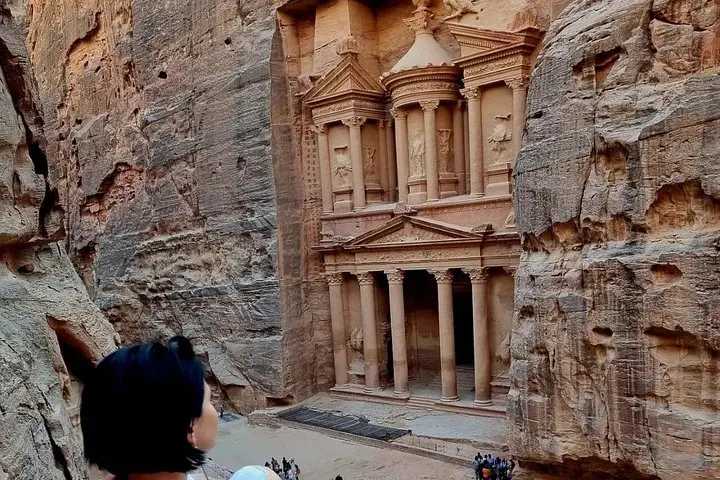
Then Petra: the Nabataeans’ rose-hued city, hewn into sandstone cliffs, where the Siq narrows into a cinematic reveal of the Treasury’s carved facade. The Nabataeans engineered water-capture systems and trade networks that made Petra a crossroads between Arabia and the Mediterranean. Wadi Rum’s broad desert reads differently — wind-sculpted sandstone and granite domes, a geology of erosion and time where Bedouin guides translate rock into story and camp life into quiet luxury.
Practical thread runs through this romantic geography. The tour uses private, air-conditioned transport and an English-speaking driver; hotels range from 3* to luxury and Wadi Rum offers VIP or “Martian” tent options. Expect long drives—Amman to Petra is roughly 3–4 hours by road; Petra to Wadi Rum about an hour. Days begin early to beat midday heat in the Siq and to catch desert sunsets. The Dead Sea stop is ideal for a half-day float and therapeutic mud; rinse off afterward to protect hotel linens.
Bring sun protection and plenty of water: Jordan’s heat is honest. Footwear should combine comfort for cobbled Petra and traction for desert sands. Layers matter—day heat gives way to chilly desert nights. Respect local customs: modest dress at religious sites and polite behavior around worship and family spaces.
This five-day loop reads like a primer on Jordan’s landscape and civilizational layers — Byzantine mosaics, Nabataean ingenuity, and Bedouin hospitality — packaged with the practicalities travelers need: private pickup, included breakfasts and some dinners, and accessibility notes for families and travelers with mobility concerns. For first-time visitors who want history, geology and a few spectacular photos, this tour is a tight, thoughtfully paced introduction.
Yes — the driver meets you at Queen Alia Airport arrival hall and transfers you to your Amman hotel.
You’ll have a half-day there—enough to float, apply mineral mud, and rinse, though swimming is not possible due to the high salinity.
Both sites require walking on uneven terrain; Petra includes stairs and cobbled paths, while Wadi Rum may involve short hikes or climbs—no specialized fitness required.
The tour provides an English-speaking driver; specialized guides at archaeological sites may offer tours in multiple languages for an additional fee.
Breakfasts are included and some dinners; notify booking questions about dietary restrictions and the operator will accommodate where possible.
The tour lists wheelchair-accessible transportation and surfaces in many areas, but some historic sites (Petra’s Siq, uneven ground in Wadi Rum) have limited accessibility—check specific needs before booking.
Tour Experts operates guided outdoor trips and adventures with an emphasis on safety, stewardship, and memorable experiences.

You step out of Queen Alia Airport into a dry, warm evening and the driver holds a sign with your name—an efficient opening to five days that travel writers call cinematic and locals call routine. The road into Amman climbs into white-stucco neighborhoods, then unfurls westward through olive-studded hills toward mosaics, monastic ruins, a salted sea that refuses to swallow you, and a city carved in stone.
You step out of Queen Alia Airport into a dry, warm evening and the driver holds a sign with your name—an efficient opening to five days that travel writers call cinematic and locals call routine. The road into Amman climbs into white-stucco neighborhoods, then unfurls westward through olive-studded hills toward mosaics, monastic ruins, a salted sea that refuses to swallow you, and a city carved in stone.
This itinerary strings Jordan’s headline sites into a compact backbone. In Madaba, tile fragments gather into the oldest surviving map of the Holy Land; each tessera is a fragment of Byzantine cartography and civic pride. A short drive pushes you up to Mount Nebo, where limestone and basalt meet Jordan Valley air and — according to tradition — Moses glimpsed the Promised Land. Down the slope waits the Dead Sea, the planet’s lowest point; its dense salt pushes your body to the surface and offers a peculiar, buoyant calm.
Then Petra: the Nabataeans’ rose-hued city, hewn into sandstone cliffs, where the Siq narrows into a cinematic reveal of the Treasury’s carved facade. The Nabataeans engineered water-capture systems and trade networks that made Petra a crossroads between Arabia and the Mediterranean. Wadi Rum’s broad desert reads differently — wind-sculpted sandstone and granite domes, a geology of erosion and time where Bedouin guides translate rock into story and camp life into quiet luxury.
Practical thread runs through this romantic geography. The tour uses private, air-conditioned transport and an English-speaking driver; hotels range from 3* to luxury and Wadi Rum offers VIP or “Martian” tent options. Expect long drives—Amman to Petra is roughly 3–4 hours by road; Petra to Wadi Rum about an hour. Days begin early to beat midday heat in the Siq and to catch desert sunsets. The Dead Sea stop is ideal for a half-day float and therapeutic mud; rinse off afterward to protect hotel linens.
Bring sun protection and plenty of water: Jordan’s heat is honest. Footwear should combine comfort for cobbled Petra and traction for desert sands. Layers matter—day heat gives way to chilly desert nights. Respect local customs: modest dress at religious sites and polite behavior around worship and family spaces.
This five-day loop reads like a primer on Jordan’s landscape and civilizational layers — Byzantine mosaics, Nabataean ingenuity, and Bedouin hospitality — packaged with the practicalities travelers need: private pickup, included breakfasts and some dinners, and accessibility notes for families and travelers with mobility concerns. For first-time visitors who want history, geology and a few spectacular photos, this tour is a tight, thoughtfully paced introduction.