THE ADVENTURE COLLECTIVE® · Independent discovery and booking for outdoor travel

A compact five-day loop from Amman to Petra, Jerusalem and Bethlehem that pairs carved-Nabatean canyons with ancient city quarters. Expect long drives, significant walking on uneven stone, and border-crossing formalities between Jordan and Israel/Palestine.
A compact five-day loop from Amman to Petra, Jerusalem and Bethlehem that pairs carved-Nabatean canyons with ancient city quarters. Expect long drives, significant walking on uneven stone, and border-crossing formalities between Jordan and Israel/Palestine.
You arrive to Amman's wide, sunlit avenues and the hum of airport logistics, then set out into a landscape that alternates between sculpted sandstone and ancient stone-paved streets. The drive south to Petra slips you through desert folds until the Siq narrows and the Treasury appears like a carved revelation; later, the hills around Jerusalem open into terraces and alleyways where layers of faith and empire meet.
Verified experiences and guided adventures in the surrounding area.
Operated by Jordan Horizon Tours · Amman, Amman Governorate
You arrive to Amman's wide, sunlit avenues and the hum of airport logistics, then set out into a landscape that alternates between sculpted sandstone and ancient stone-paved streets. The drive south to Petra slips you through desert folds until the Siq narrows and the Treasury appears like a carved revelation; later, the hills around Jerusalem open into terraces and alleyways where layers of faith and empire meet.
Geology here tells a blunt story: red sandstone in Petra shaped by wind and water over millions of years, limestone and chalk forming the Judean Hills, and the hypersaline Dead Sea basin carved by tectonics and evaporation. Culture and history are immediate — Nabatean engineering in carved facades, Roman theaters, Byzantine churches, Ottoman-era markets, and contemporary checkpoints and walls that reflect modern geopolitics.
Practical guidance is straightforward. Expect a mix of walking on uneven stone, short climbs (Petra’s Monastery and High Place of Sacrifice involve steep steps), and long car transfers between sites. Border crossings via the Allenby/King Hussein Bridge require valid passports, potential visa checks, and extra time; plan flexible schedules. Carry water, sun protection and comfortable, grippy footwear; mornings are best for cooler light and thinner crowds. If you value context, hire local guides in Petra and Jerusalem to deepen archaeological and religious insights. Plan for modest dress at religious sites and keep copies of travel documents handy. Meals are a mix of hotel breakfasts and regional cafés; tasting local bread, labneh and za’atar is an easy introduction.
This itinerary rewards curiosity: every narrow street and canyon reveals a new chapter of civilizations that shaped these hills and deserts. Treat logistics as part of the journey and the day-to-day becomes the map.
Visa requirements depend on nationality and the crossing point; Allenby/King Hussein Bridge has specific procedures—check with your embassy and tour operator in advance.
Expect several hours of walking daily, including uneven stone, stairs and short hikes—Petra and Jerusalem’s Old City involve the most on-foot time.
This tour summary notes accommodations and transport but not site admission; confirm with the operator whether Petra and museum tickets are covered.
Many sites have steep steps and narrow passages; mobility-limited travelers should consult the operator about accessibility and possible alternatives.
Jordan Horizon Tours operates guided outdoor trips and adventures with an emphasis on safety, stewardship, and memorable experiences.
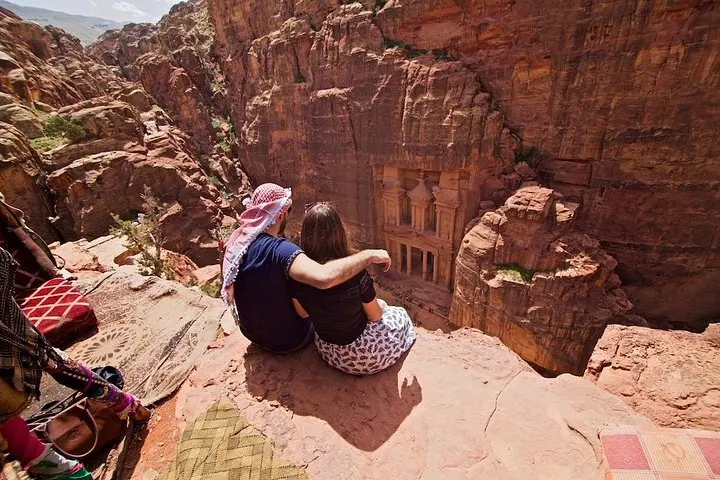
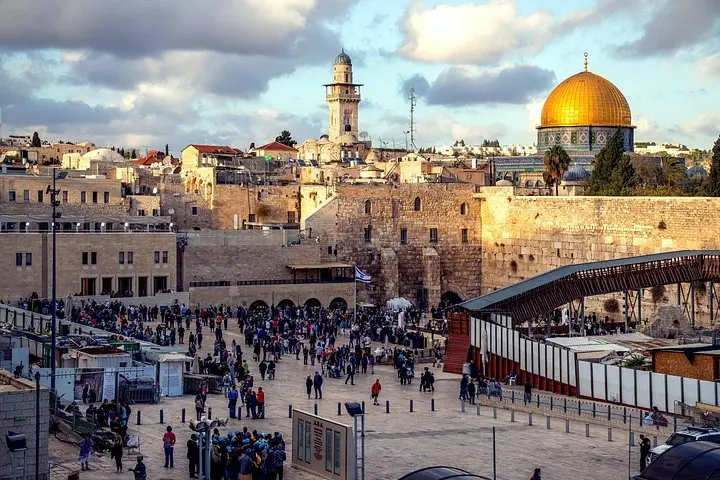
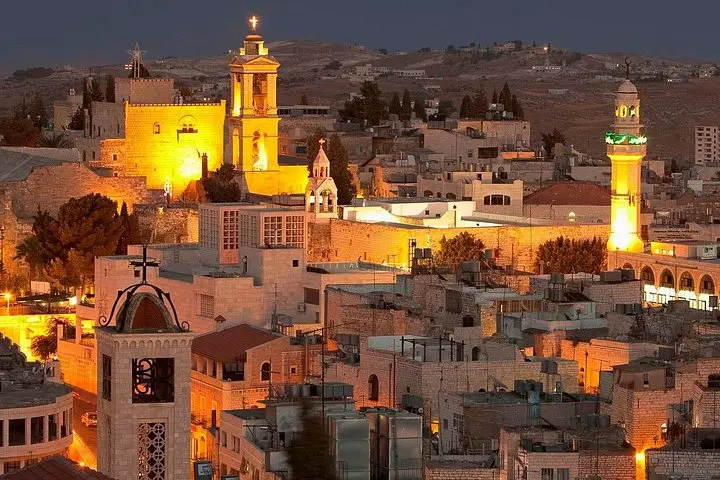
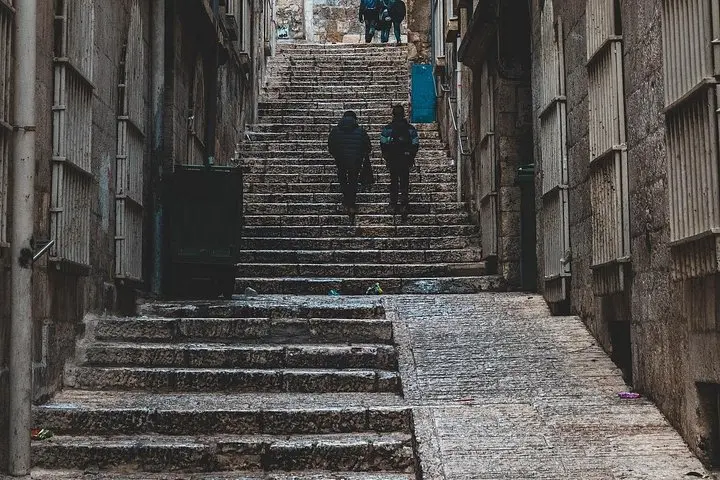
You arrive to Amman's wide, sunlit avenues and the hum of airport logistics, then set out into a landscape that alternates between sculpted sandstone and ancient stone-paved streets. The drive south to Petra slips you through desert folds until the Siq narrows and the Treasury appears like a carved revelation; later, the hills around Jerusalem open into terraces and alleyways where layers of faith and empire meet.
You arrive to Amman's wide, sunlit avenues and the hum of airport logistics, then set out into a landscape that alternates between sculpted sandstone and ancient stone-paved streets. The drive south to Petra slips you through desert folds until the Siq narrows and the Treasury appears like a carved revelation; later, the hills around Jerusalem open into terraces and alleyways where layers of faith and empire meet.
Geology here tells a blunt story: red sandstone in Petra shaped by wind and water over millions of years, limestone and chalk forming the Judean Hills, and the hypersaline Dead Sea basin carved by tectonics and evaporation. Culture and history are immediate — Nabatean engineering in carved facades, Roman theaters, Byzantine churches, Ottoman-era markets, and contemporary checkpoints and walls that reflect modern geopolitics.
Practical guidance is straightforward. Expect a mix of walking on uneven stone, short climbs (Petra’s Monastery and High Place of Sacrifice involve steep steps), and long car transfers between sites. Border crossings via the Allenby/King Hussein Bridge require valid passports, potential visa checks, and extra time; plan flexible schedules. Carry water, sun protection and comfortable, grippy footwear; mornings are best for cooler light and thinner crowds. If you value context, hire local guides in Petra and Jerusalem to deepen archaeological and religious insights. Plan for modest dress at religious sites and keep copies of travel documents handy. Meals are a mix of hotel breakfasts and regional cafés; tasting local bread, labneh and za’atar is an easy introduction.
This itinerary rewards curiosity: every narrow street and canyon reveals a new chapter of civilizations that shaped these hills and deserts. Treat logistics as part of the journey and the day-to-day becomes the map.