THE ADVENTURE COLLECTIVE® · Independent discovery and booking for outdoor travel

Travel five days through Jordan’s layered past: Roman Jerash, Ajloun Castle, the Dead Sea, mosaic-rich Madaba, Mount Nebo and the rose-red city of Petra. This guided trip blends cultural sites with walkable outdoor exploration.
Travel five days through Jordan’s layered past: Roman Jerash, Ajloun Castle, the Dead Sea, mosaic-rich Madaba, Mount Nebo and the rose-red city of Petra. This guided trip blends cultural sites with walkable outdoor exploration.
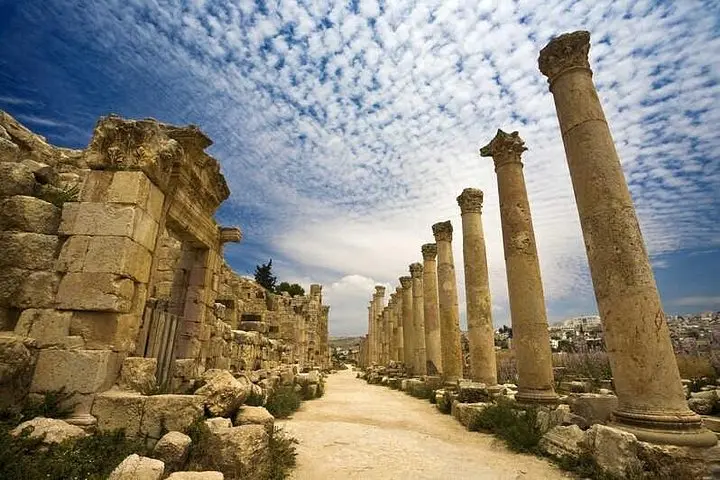
Morning light washes the limestone blocks of an ancient colonnade as the tour coach rolls out of Amman, heading north toward olive-scarred hills and fortified ruins. Over five days the itinerary moves through Roman streets, Islamic fortresses and the rose-red canyons of the Nabatean capital, giving travelers a layered view of Jordan’s human and geological story.
Verified experiences and guided adventures in the surrounding area.
Operated by Yota Travel and Tourism · Amman, Amman Governorate
Morning light washes the limestone blocks of an ancient colonnade as the tour coach rolls out of Amman, heading north toward olive-scarred hills and fortified ruins. Over five days the itinerary moves through Roman streets, Islamic fortresses and the rose-red canyons of the Nabatean capital, giving travelers a layered view of Jordan’s human and geological story.
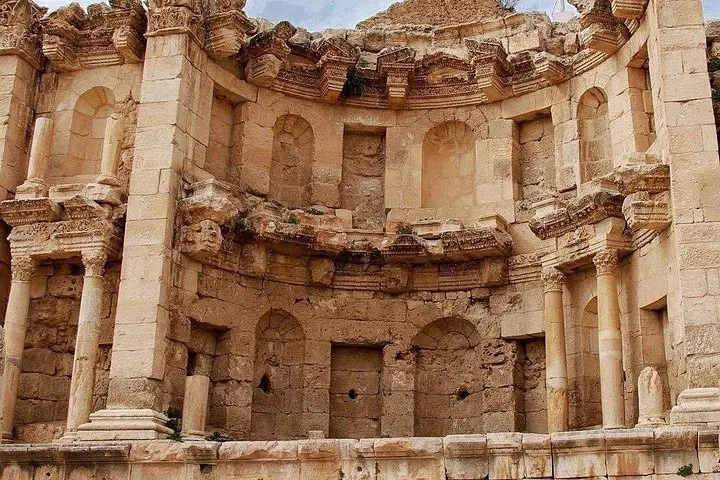
Jerash opens like a living classroom: an oval forum, a colonnaded cardo and a towering triumphal arch that speak to Roman provincial life nearly two millennia old. Higher, Ajloun Castle perches at about 1,123 m on Jabal Auf — a thirteenth-century Muslim fortress that controlled pilgrimage and trade routes. The Dead Sea drops the landscape to approximately 430 m below sea level, where buoyant saltwater and mineral mud offer a surreal, easy float.
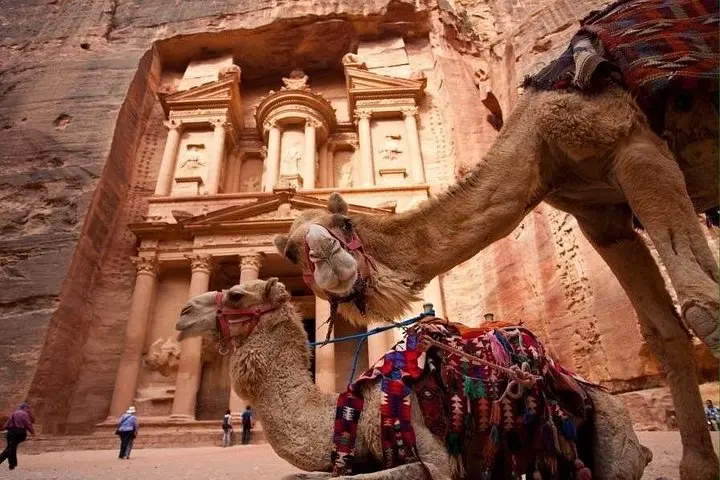
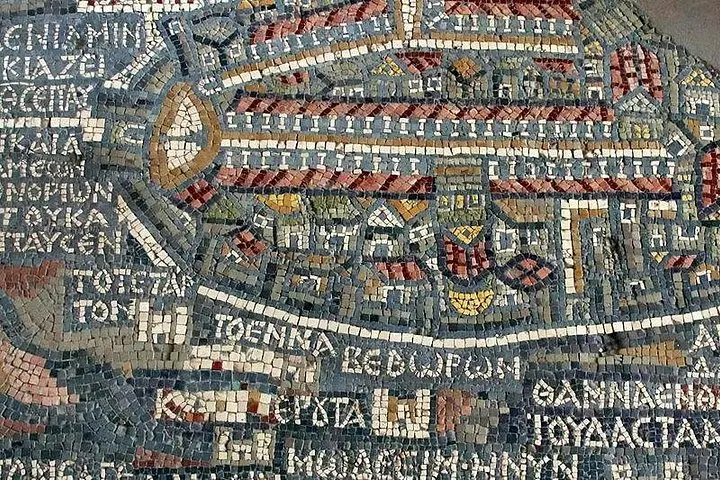
Madaba’s Byzantine mosaics and Mount Nebo’s viewpoint recall the region’s biblical and early Christian layers; Umm ar-Rasas preserves late Roman and early Byzantine floor mosaics. Then Petra: carved sandstone façades, narrow siqs and steep steps lead to the Treasury, Royal Tombs and the Monastery — sites best explored on foot across uneven flagstone and sandy slopes.
Practical edge: start early to avoid midday heat, wear grippy shoes for Petra’s stair sections, and carry at least 2–3 liters of water per person. Expect moderate walking days with some steep climbs; restroom and shade availability is variable at heritage sites. Currency (JOD), respectful dress and small cash for local vendors make logistics smoother. The tour balances cultural depth with outdoor movement — those prepared for dusty trails and sun will get the most from Jordan’s layered landscapes.
The tour requires a minimum of two people to operate; solo travelers can join shared departures but should check booking policies in advance.
Many nationalities can obtain a visa on arrival; the operator offers meet-and-assist to help with visa formalities—confirm your nationality requirements before travel.
Expect several hours on foot with uneven stone, narrow canyons and steep stair sections; comfortable shoes and a moderate fitness level are recommended.
The Dead Sea visit usually includes free time for bathing and mud; access depends on itinerary timing and weather, and some entry points provide facilities and showers.
Yota Travel and Tourism operates guided outdoor trips and adventures with an emphasis on safety, stewardship, and memorable experiences.
Morning light washes the limestone blocks of an ancient colonnade as the tour coach rolls out of Amman, heading north toward olive-scarred hills and fortified ruins. Over five days the itinerary moves through Roman streets, Islamic fortresses and the rose-red canyons of the Nabatean capital, giving travelers a layered view of Jordan’s human and geological story.
Morning light washes the limestone blocks of an ancient colonnade as the tour coach rolls out of Amman, heading north toward olive-scarred hills and fortified ruins. Over five days the itinerary moves through Roman streets, Islamic fortresses and the rose-red canyons of the Nabatean capital, giving travelers a layered view of Jordan’s human and geological story.
Jerash opens like a living classroom: an oval forum, a colonnaded cardo and a towering triumphal arch that speak to Roman provincial life nearly two millennia old. Higher, Ajloun Castle perches at about 1,123 m on Jabal Auf — a thirteenth-century Muslim fortress that controlled pilgrimage and trade routes. The Dead Sea drops the landscape to approximately 430 m below sea level, where buoyant saltwater and mineral mud offer a surreal, easy float.
Madaba’s Byzantine mosaics and Mount Nebo’s viewpoint recall the region’s biblical and early Christian layers; Umm ar-Rasas preserves late Roman and early Byzantine floor mosaics. Then Petra: carved sandstone façades, narrow siqs and steep steps lead to the Treasury, Royal Tombs and the Monastery — sites best explored on foot across uneven flagstone and sandy slopes.
Practical edge: start early to avoid midday heat, wear grippy shoes for Petra’s stair sections, and carry at least 2–3 liters of water per person. Expect moderate walking days with some steep climbs; restroom and shade availability is variable at heritage sites. Currency (JOD), respectful dress and small cash for local vendors make logistics smoother. The tour balances cultural depth with outdoor movement — those prepared for dusty trails and sun will get the most from Jordan’s layered landscapes.