THE ADVENTURE COLLECTIVE® · Independent discovery and booking for outdoor travel

A compact, five-day loop from Nairobi that pairs Maasai Mara game drives with Lake Nakuru’s birdlife and the Rift Valley’s raw geology. Expect close-range wildlife encounters, dramatic morning light, and short drives between iconic ecosystems.
A compact, five-day loop from Nairobi that pairs Maasai Mara game drives with Lake Nakuru’s birdlife and the Rift Valley’s raw geology. Expect close-range wildlife encounters, dramatic morning light, and short drives between iconic ecosystems.
The morning air off the Great Rift Valley is thin and honest—cool at first light, then warmed by a sun that rolls down the escarpment like a slow promise. You step out of the vehicle on the first day, camera and binoculars at the ready, and the valley opens: broad bands of agricultural land, distant lakes reflecting sky, and a horizon punctuated by acacia crowns. This is not a passive postcard; it’s a working landscape that guides you toward the Mara’s wide horizons and the sharp, bird-studded shores of Lake Nakuru.
Verified experiences and guided adventures in the surrounding area.
Operated by Greytone Bush Tours · Narok, Narok County
The morning air off the Great Rift Valley is thin and honest—cool at first light, then warmed by a sun that rolls down the escarpment like a slow promise. You step out of the vehicle on the first day, camera and binoculars at the ready, and the valley opens: broad bands of agricultural land, distant lakes reflecting sky, and a horizon punctuated by acacia crowns. This is not a passive postcard; it’s a working landscape that guides you toward the Mara’s wide horizons and the sharp, bird-studded shores of Lake Nakuru.
Over five days the route threads from Nairobi to the Maasai Mara, along Nakuru’s flamingo-streaked shallows, and past Hell’s Gate’s red rock fins. Geologically the Rift Valley is young—an active scar where the continent is stretching—and its escarpments feed the microclimates that sustain the lakes and savannas you’ll traverse. Culturally, the region is equally immediate: Maasai pastoralists move with drought and season, their cattle shaping the grassland mosaic, while towns like Narok provide market rhythms that contrast with the reserve’s slow pulse.
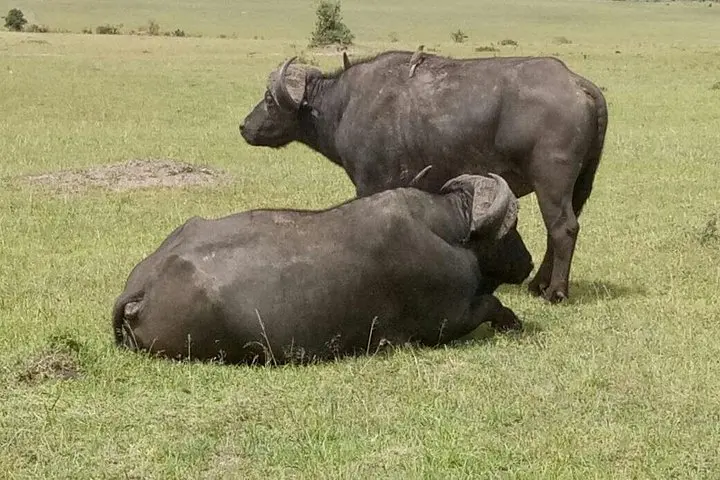
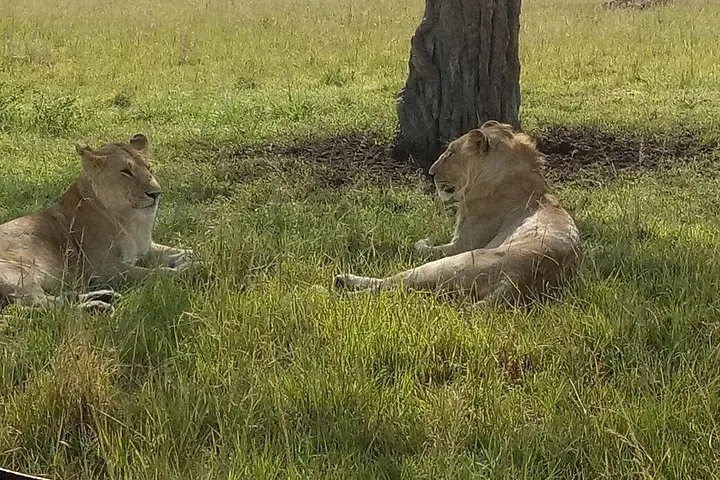
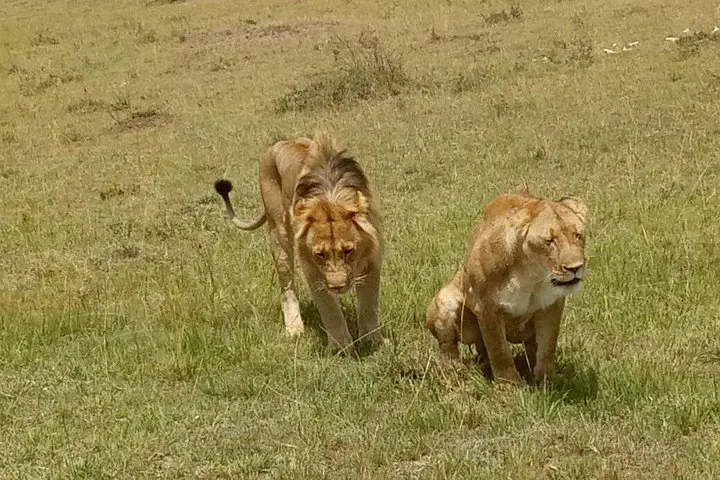
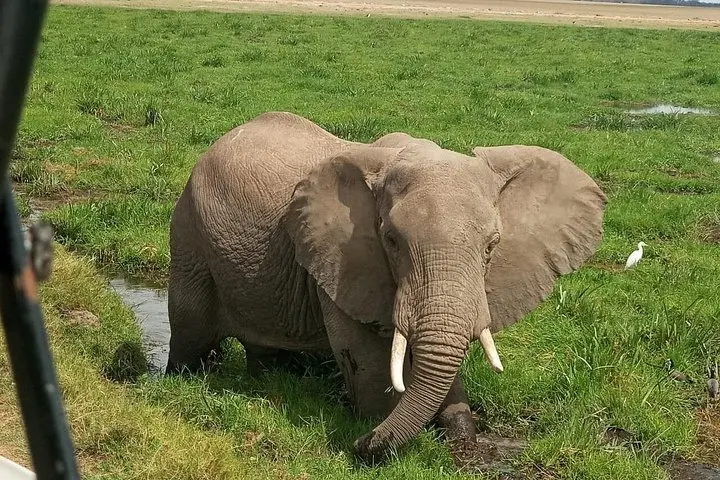
Game drives here are practical logistical choreography: early departures to catch predators in the cool, long afternoons by rivers, and patient waits where migrations funnel herbivores across plains. The Mara’s network of roads brings vehicles close—close enough to feel the animals’ presence rather than merely spot them—while Nakuru’s lake habitats flip the script toward birds and shoreline mammals like rhino and buffalo.
This safari balances spectacle with down-to-earth comforts. Lodges and camps bookend full-day drives that can run eight hours, so gear selection and pacing matter: hydrate between drives, layer for sharp morning to hot midday swings, and reserve your best light for the Mara River and Ol Kinyei ridgelines at dawn and dusk. Guides here are more than drivers; they’re landscape readers—tracking spoor, reading wind, and choosing vantage points that maximize sightings without stressing wildlife.
Practical notes: vehicle time is part of the experience—there are no long, bone-tiring transits—but expect several hours on dirt roads and plan for bumpy stretches. Entrance fees, park regulations, and seasonal access affect where you go each day; flamingo numbers at Nakuru, for example, can change with water chemistry and rains.
In short, this is a compact, high-return safari: short drives between iconic ecosystems, prolonged encounters with large mammals, and a front-row seat to Rift Valley geology and birdlife. For first-time safari-goers who want big sightings without marathon transfers, these five days deliver an active, sensory immersion into Kenya’s most storied landscapes.
Yes — the itinerary is described as physically easy and vehicle-based; however, infants should sit on laps and some lodges have age restrictions, so confirm specifics when booking.
Drives are relatively short between destinations but game drives can last up to eight hours in a day, with time on unpaved roads and park tracks.
This tour includes meals and some fees as listed, but confirm which park entry fees and optional activities (like a Naivasha boat ride) are covered before booking.
The Mara River crossings typically occur during Kenya’s dry season (July–October), but exact timing varies yearly—ask guides for recent migration patterns.
Yes — a boat ride is available as an optional extra and can be arranged locally to see hippos and fish eagles up close.
Consult your doctor before travel — routine vaccines and antimalarial medication are commonly recommended for this region of Kenya.
Greytone Bush Tours operates guided outdoor trips and adventures with an emphasis on safety, stewardship, and memorable experiences.
The morning air off the Great Rift Valley is thin and honest—cool at first light, then warmed by a sun that rolls down the escarpment like a slow promise. You step out of the vehicle on the first day, camera and binoculars at the ready, and the valley opens: broad bands of agricultural land, distant lakes reflecting sky, and a horizon punctuated by acacia crowns. This is not a passive postcard; it’s a working landscape that guides you toward the Mara’s wide horizons and the sharp, bird-studded shores of Lake Nakuru.
The morning air off the Great Rift Valley is thin and honest—cool at first light, then warmed by a sun that rolls down the escarpment like a slow promise. You step out of the vehicle on the first day, camera and binoculars at the ready, and the valley opens: broad bands of agricultural land, distant lakes reflecting sky, and a horizon punctuated by acacia crowns. This is not a passive postcard; it’s a working landscape that guides you toward the Mara’s wide horizons and the sharp, bird-studded shores of Lake Nakuru.
Over five days the route threads from Nairobi to the Maasai Mara, along Nakuru’s flamingo-streaked shallows, and past Hell’s Gate’s red rock fins. Geologically the Rift Valley is young—an active scar where the continent is stretching—and its escarpments feed the microclimates that sustain the lakes and savannas you’ll traverse. Culturally, the region is equally immediate: Maasai pastoralists move with drought and season, their cattle shaping the grassland mosaic, while towns like Narok provide market rhythms that contrast with the reserve’s slow pulse.
Game drives here are practical logistical choreography: early departures to catch predators in the cool, long afternoons by rivers, and patient waits where migrations funnel herbivores across plains. The Mara’s network of roads brings vehicles close—close enough to feel the animals’ presence rather than merely spot them—while Nakuru’s lake habitats flip the script toward birds and shoreline mammals like rhino and buffalo.
This safari balances spectacle with down-to-earth comforts. Lodges and camps bookend full-day drives that can run eight hours, so gear selection and pacing matter: hydrate between drives, layer for sharp morning to hot midday swings, and reserve your best light for the Mara River and Ol Kinyei ridgelines at dawn and dusk. Guides here are more than drivers; they’re landscape readers—tracking spoor, reading wind, and choosing vantage points that maximize sightings without stressing wildlife.
Practical notes: vehicle time is part of the experience—there are no long, bone-tiring transits—but expect several hours on dirt roads and plan for bumpy stretches. Entrance fees, park regulations, and seasonal access affect where you go each day; flamingo numbers at Nakuru, for example, can change with water chemistry and rains.
In short, this is a compact, high-return safari: short drives between iconic ecosystems, prolonged encounters with large mammals, and a front-row seat to Rift Valley geology and birdlife. For first-time safari-goers who want big sightings without marathon transfers, these five days deliver an active, sensory immersion into Kenya’s most storied landscapes.