THE ADVENTURE COLLECTIVE® · Independent discovery and booking for outdoor travel

Trek to Africa’s rooftop on the Marangu Route: a 5‑day, hut‑based climb that moves from rainforest to arid summit ridges. This guide outlines what to expect—terrain, huts, history and practical tips to reach Uhuru Peak.
Trek to Africa’s rooftop on the Marangu Route: a 5‑day, hut‑based climb that moves from rainforest to arid summit ridges. This guide outlines what to expect—terrain, huts, history and practical tips to reach Uhuru Peak.
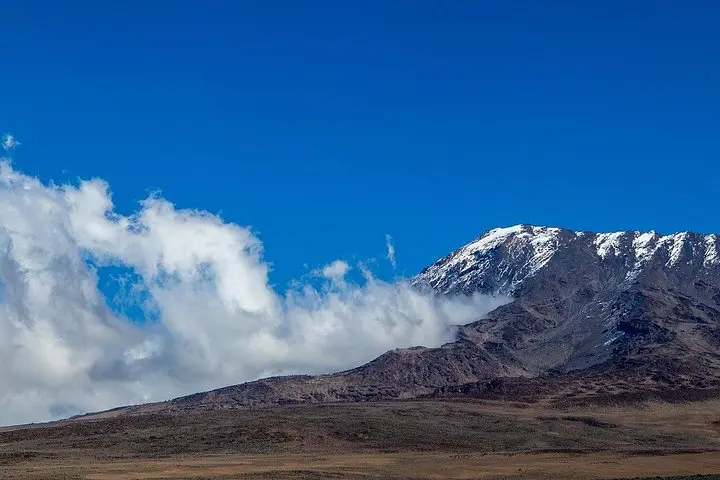
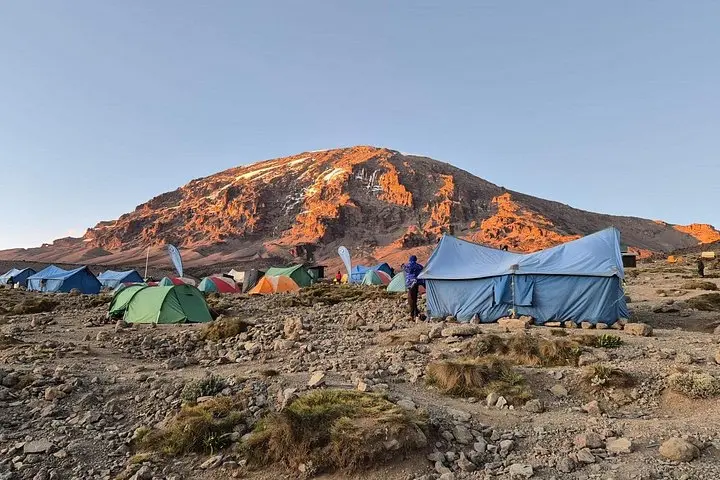
Dawn breaks over a band of cloud below you, and the alpine desert around Kibo catches the first light as you shoulder your pack for a midnight start. On the Marangu Route the mountain moves in stages: rainforest that hums with birdsong, heath and moorland with tough protea, then an austere alpine desert that dares you onward toward Gilman's Point and Uhuru Peak.
Verified experiences and guided adventures in the surrounding area.
Operated by Digalah Expedition · Moshi, Kilimanjaro Region
Dawn breaks over a band of cloud below you, and the alpine desert around Kibo catches the first light as you shoulder your pack for a midnight start. On the Marangu Route the mountain moves in stages: rainforest that hums with birdsong, heath and moorland with tough protea, then an austere alpine desert that dares you onward toward Gilman's Point and Uhuru Peak.
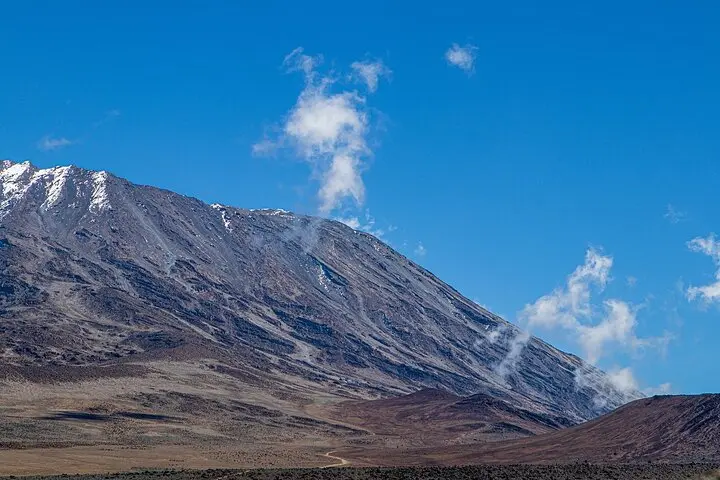
Kilimanjaro is a dormant stratovolcano with three volcanic cones—Kibo, Mawenzi and Shira—rising from the East African plateau. The Marangu Route, known as the “Coca‑Cola” route, is the oldest trail and the only one offering hut accommodation, a legacy of early porters and colonial-era access that made summit bids more accessible. You'll pass Maundi Crater for sweeping views and cross habitats that reveal the mountain’s geological transition from forested slopes to glacial remnants near the summit.
Culturally, the climb intersects Chagga farmland and small villages; guides and porters are often local and central to the climb’s logistics. Kilimanjaro National Park manages permits and fees; respectful interaction and fair tipping support local livelihoods.
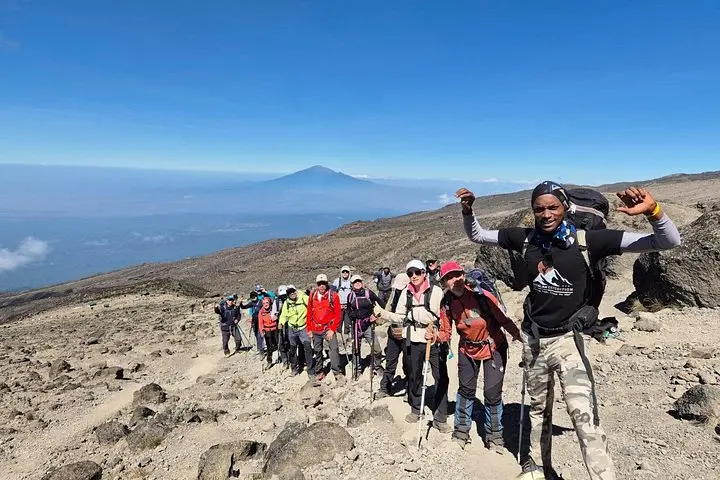
Practical guidance: pace for altitude—move slowly and hydrate frequently. Expect daily ascents between 700–1,000 meters and nights in basic stone huts. Carry layered insulation for subzero summit conditions, a reliable headlamp for the midnight push, and personal medications for altitude sickness. Start in Moshi or Arusha, plan for contingency time, and budget for park fees and tips. The summit is achievable with steady fitness and careful acclimatization—Kilimanjaro challenges lungs as much as legs.
It’s physically demanding but non‑technical; many first‑time trekkers succeed with steady fitness, proper pacing, and acclimatization over the five‑day itinerary.
Huts provide shared dormitory bunks with basic bedding—expect communal sleeping spaces and bring a clean sleeping liner and earplugs.
Altitude sickness is the primary risk; symptoms range from headache and nausea to severe illness—ascend slowly, stay hydrated, and inform guides immediately if symptoms worsen.
June–October and January–February are the most reliable for dry weather; shoulder seasons can offer fewer crowds but may bring rain.
Digalah Expedition operates guided outdoor trips and adventures with an emphasis on safety, stewardship, and memorable experiences.
Dawn breaks over a band of cloud below you, and the alpine desert around Kibo catches the first light as you shoulder your pack for a midnight start. On the Marangu Route the mountain moves in stages: rainforest that hums with birdsong, heath and moorland with tough protea, then an austere alpine desert that dares you onward toward Gilman's Point and Uhuru Peak.
Dawn breaks over a band of cloud below you, and the alpine desert around Kibo catches the first light as you shoulder your pack for a midnight start. On the Marangu Route the mountain moves in stages: rainforest that hums with birdsong, heath and moorland with tough protea, then an austere alpine desert that dares you onward toward Gilman's Point and Uhuru Peak.
Kilimanjaro is a dormant stratovolcano with three volcanic cones—Kibo, Mawenzi and Shira—rising from the East African plateau. The Marangu Route, known as the “Coca‑Cola” route, is the oldest trail and the only one offering hut accommodation, a legacy of early porters and colonial-era access that made summit bids more accessible. You'll pass Maundi Crater for sweeping views and cross habitats that reveal the mountain’s geological transition from forested slopes to glacial remnants near the summit.
Culturally, the climb intersects Chagga farmland and small villages; guides and porters are often local and central to the climb’s logistics. Kilimanjaro National Park manages permits and fees; respectful interaction and fair tipping support local livelihoods.
Practical guidance: pace for altitude—move slowly and hydrate frequently. Expect daily ascents between 700–1,000 meters and nights in basic stone huts. Carry layered insulation for subzero summit conditions, a reliable headlamp for the midnight push, and personal medications for altitude sickness. Start in Moshi or Arusha, plan for contingency time, and budget for park fees and tips. The summit is achievable with steady fitness and careful acclimatization—Kilimanjaro challenges lungs as much as legs.