THE ADVENTURE COLLECTIVE® · Independent discovery and booking for outdoor travel

A five-day circuit that pairs pre-dawn game drives in Kruger National Park with the scenic drama of the Mpumalanga Panorama. Expect Big Five sightings, canyon viewpoints, and practical advice for timing, gear, and wildlife etiquette.
A five-day circuit that pairs pre-dawn game drives in Kruger National Park with the scenic drama of the Mpumalanga Panorama. Expect Big Five sightings, canyon viewpoints, and practical advice for timing, gear, and wildlife etiquette.
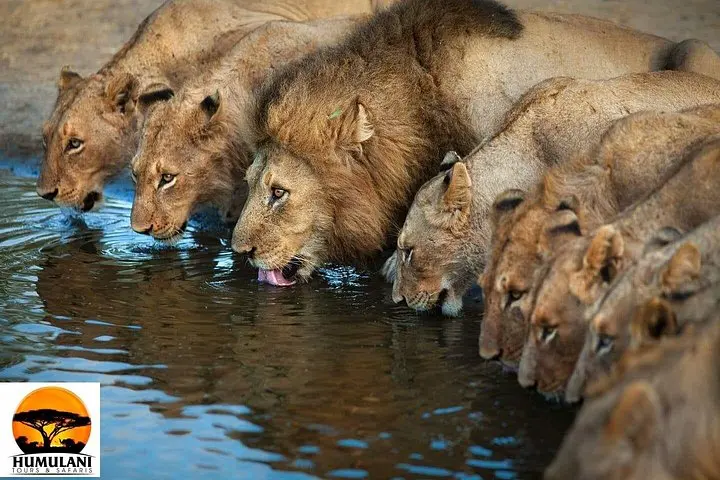
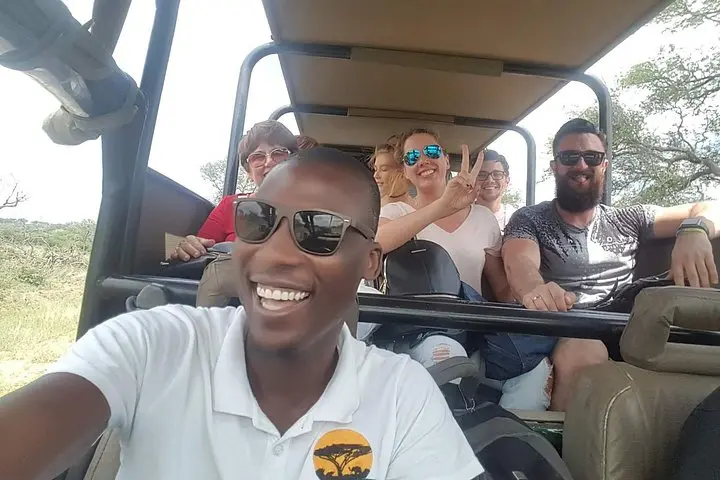
The sun is a thin coin of light when the Land Cruiser pulls away from Hazyview, dust pluming like the exhale of a giant that has been asleep all day. A guide checks the radio, the vehicle hums, and the bush—already waking—seems to lean toward the road. Over five days this loop between Kruger National Park and the Mpumalanga Panorama will press you close to Africa’s most famous wildlife: lions that authorize silence, elephants that rearrange the day’s plans, and waterholes that seem to dare every species to come and drink.
Verified experiences and guided adventures in the surrounding area.
Operated by Humulani Tours & Safaris · Hazyview, Mpumalanga
The sun is a thin coin of light when the Land Cruiser pulls away from Hazyview, dust pluming like the exhale of a giant that has been asleep all day. A guide checks the radio, the vehicle hums, and the bush—already waking—seems to lean toward the road. Over five days this loop between Kruger National Park and the Mpumalanga Panorama will press you close to Africa’s most famous wildlife: lions that authorize silence, elephants that rearrange the day’s plans, and waterholes that seem to dare every species to come and drink.
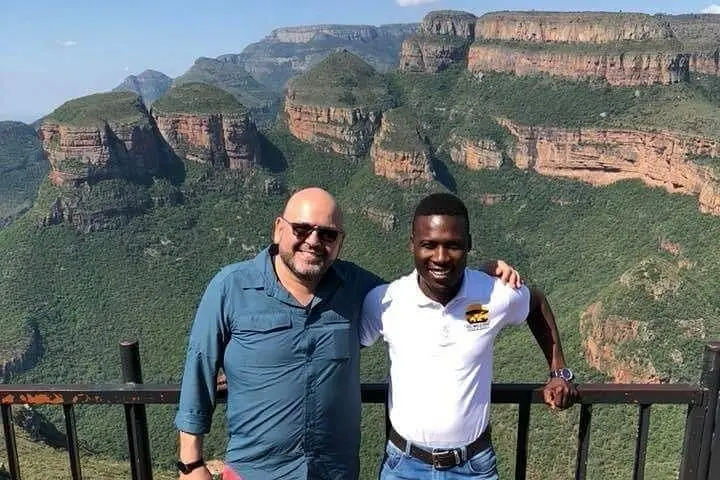
Kruger is old in the way a mountain is old—its geology reads like a slow-motion story. Rivers carved the Blyde River Canyon and Bourke’s Luck Potholes over millions of years, grinding quartzite and sandstone into the dramatic escarpment and cylindrical potholes visitors now photograph. The region’s human story is younger but layered: the Mpumalanga name means “place where the sun rises,” a reminder that this landscape has guided local life and trade routes long before it became a protected reserve.
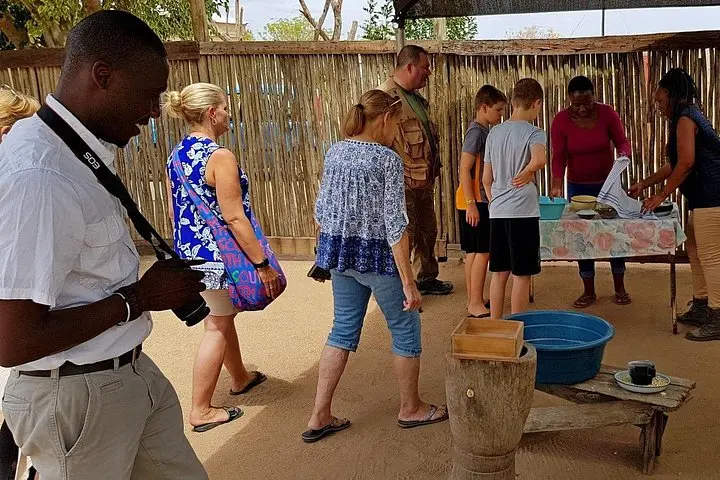
Culturally, the small towns around the park—Hazyview chief among them—carry a practical hospitality. Lodges serve pre-packed breakfasts for pre-dawn safaris; local markets in Graskop sell carved wooden curios and cold sweetcorn. Guides translate the land’s language: spoor, rump, and a bird alarm call that changes the pace of a game drive.
Practicality governs the rhythm here. Expect two full-day safaris and several short morning or sunset drives. Early departures—before sunrise—are standard because predators and the animals they hunt are most active in the cool morning hours. The Panorama Tour detours from animal tracking to geology and viewpoints: Three Rondavels, Lisbon Falls, and Bourke’s Luck Potholes are all accessible by paved roads and short viewing walks.
Prepare for heat, dust, and sudden rain in the summer months; winter mornings are cold and clear, and game concentrates at shrinking waterholes. Bring layered clothing, a good pair of binoculars, sunscreen, and a small daypack for camera gear and water. Respect the wildlife: keep your distance, follow your guide’s instructions, and never feed animals.
Logistics are simple but firm—transfers from Johannesburg to Hazyview bookend the trip, and hotels provide most meals. Tipping, malaria precautions in parts of Kruger, and admission regulations are all part of the planner’s checklist. This package is designed to deliver classic African viewing—panoramic escarpments, potholes worn into rock, and long, unhurried hours watching wild animals make their living. If you want to swap postcards for real contact with the wild, this five-day circuit is a direct route.
Consult a travel clinic—yellow fever is required only if coming from an infected area; malaria is present in parts of Kruger so antimalarial medication and mosquito precautions are recommended for some seasons.
Guides maximize sightings by using knowledge of waterholes and spoor, but wildlife is wild—sightings are common but not guaranteed.
Most breakfasts and dinners are included per the itinerary; confirm which park entrance fees or optional activities are covered when booking.
Children can join but policies vary—check age restrictions and discuss safety guidelines, especially for malaria risk and long drives.
South African rand is standard; tipping guides and lodge staff is customary—roughly 10–15% for good service or set amounts per day for guides and drivers.
Transfers and the Panorama Tour use paved roads; inside Kruger expect gravel and park tracks—vehicles are prepared for both.
Humulani Tours & Safaris operates guided outdoor trips and adventures with an emphasis on safety, stewardship, and memorable experiences.
The sun is a thin coin of light when the Land Cruiser pulls away from Hazyview, dust pluming like the exhale of a giant that has been asleep all day. A guide checks the radio, the vehicle hums, and the bush—already waking—seems to lean toward the road. Over five days this loop between Kruger National Park and the Mpumalanga Panorama will press you close to Africa’s most famous wildlife: lions that authorize silence, elephants that rearrange the day’s plans, and waterholes that seem to dare every species to come and drink.
The sun is a thin coin of light when the Land Cruiser pulls away from Hazyview, dust pluming like the exhale of a giant that has been asleep all day. A guide checks the radio, the vehicle hums, and the bush—already waking—seems to lean toward the road. Over five days this loop between Kruger National Park and the Mpumalanga Panorama will press you close to Africa’s most famous wildlife: lions that authorize silence, elephants that rearrange the day’s plans, and waterholes that seem to dare every species to come and drink.
Kruger is old in the way a mountain is old—its geology reads like a slow-motion story. Rivers carved the Blyde River Canyon and Bourke’s Luck Potholes over millions of years, grinding quartzite and sandstone into the dramatic escarpment and cylindrical potholes visitors now photograph. The region’s human story is younger but layered: the Mpumalanga name means “place where the sun rises,” a reminder that this landscape has guided local life and trade routes long before it became a protected reserve.
Culturally, the small towns around the park—Hazyview chief among them—carry a practical hospitality. Lodges serve pre-packed breakfasts for pre-dawn safaris; local markets in Graskop sell carved wooden curios and cold sweetcorn. Guides translate the land’s language: spoor, rump, and a bird alarm call that changes the pace of a game drive.
Practicality governs the rhythm here. Expect two full-day safaris and several short morning or sunset drives. Early departures—before sunrise—are standard because predators and the animals they hunt are most active in the cool morning hours. The Panorama Tour detours from animal tracking to geology and viewpoints: Three Rondavels, Lisbon Falls, and Bourke’s Luck Potholes are all accessible by paved roads and short viewing walks.
Prepare for heat, dust, and sudden rain in the summer months; winter mornings are cold and clear, and game concentrates at shrinking waterholes. Bring layered clothing, a good pair of binoculars, sunscreen, and a small daypack for camera gear and water. Respect the wildlife: keep your distance, follow your guide’s instructions, and never feed animals.
Logistics are simple but firm—transfers from Johannesburg to Hazyview bookend the trip, and hotels provide most meals. Tipping, malaria precautions in parts of Kruger, and admission regulations are all part of the planner’s checklist. This package is designed to deliver classic African viewing—panoramic escarpments, potholes worn into rock, and long, unhurried hours watching wild animals make their living. If you want to swap postcards for real contact with the wild, this five-day circuit is a direct route.