THE ADVENTURE COLLECTIVE® · Independent discovery and booking for outdoor travel

Five days in the Maasai Mara puts you at the heart of the Great Wildebeest Migration—river crossings, predator encounters, and long, purposeful game drives. This guide explains what to expect, how the landscape shapes the migration, and practical tips to prepare.
Five days in the Maasai Mara puts you at the heart of the Great Wildebeest Migration—river crossings, predator encounters, and long, purposeful game drives. This guide explains what to expect, how the landscape shapes the migration, and practical tips to prepare.
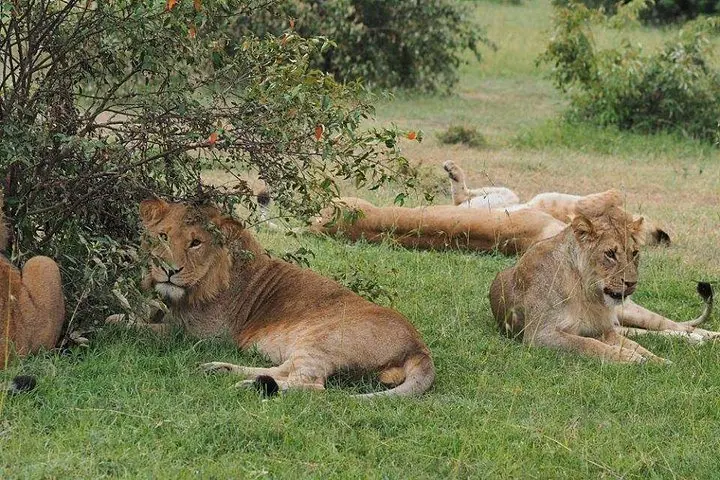
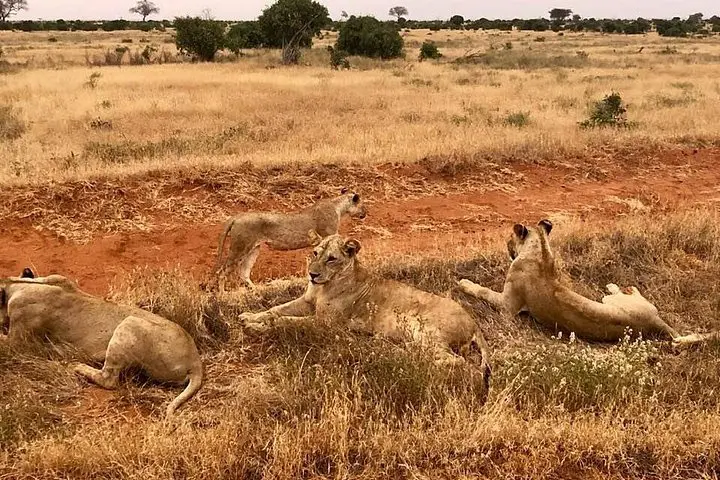
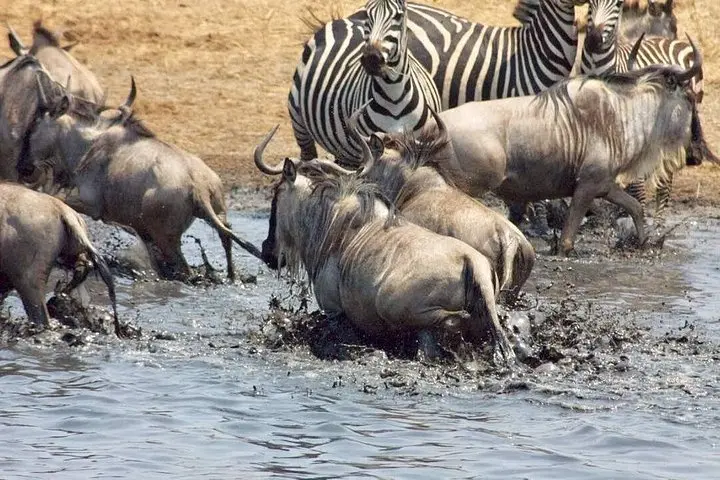
Dawn pulls a cool blue across the Mara plains and the lip of the Mara River glints like a line of steel. On a 5-day migration safari you sit high in an open vehicle while the savanna breathes around you—wildebeest thundering, zebra bands shifting like wind, and a lone crocodile lying in wait. The landscape here is a carved plateau of volcanic soils and seasonal rivers; the Mara’s floodplain and escarpment channels shape where herds collect and where predators stake their claims.
Verified experiences and guided adventures in the surrounding area.
Operated by Pathway Safaris · Maasai Mara, Narok County
Dawn pulls a cool blue across the Mara plains and the lip of the Mara River glints like a line of steel. On a 5-day migration safari you sit high in an open vehicle while the savanna breathes around you—wildebeest thundering, zebra bands shifting like wind, and a lone crocodile lying in wait. The landscape here is a carved plateau of volcanic soils and seasonal rivers; the Mara’s floodplain and escarpment channels shape where herds collect and where predators stake their claims.
The Maasai people have grazed these grasslands for generations, and their culture threads through the reserve in names, local guides, and conservancy partnerships. Geologically the area is part of the East African Rift system—broken terraces and river-cut gullies that create the dramatic crossing points used by migrating herds every year.
Practically, the trip centers on repeated game drives timed for early morning and late afternoon when wildlife is most active. Expect long drives (4–8 hours in a day), soft-ride safari vehicles, and tented-camp nights under wide skies. Lodging, meals, park and conservation fees are typically included; come prepared for dust, sudden weather shifts, and limited cell service.
Bring neutral clothing, sun protection, a good telephoto lens or binoculars, and layered warmth for chilly mornings. Respect vehicle etiquette—keep noise low, stay seated, and follow your guide’s instruction around predator activity. With patience and the right timing, the Mara offers one of the world’s most visceral wildlife encounters: the migration, up close and urgent.
The wildebeest migration typically reaches the Maasai Mara between July and October when herds cross the Mara River, though timing varies year to year based on rains.
Expect full-day drives of 6–8 hours on some days and shorter 3–4 hour morning or evening drives on others; drives include breaks for lunch and sightings.
This itinerary generally includes meals, tented-camp lodging, park and conservation fees, and guided game drives—confirm inclusions when booking.
Many camps and vehicles are family-friendly, but the itinerary includes bumpy roads; travelers with significant mobility issues should consult the operator about vehicle access and accommodations.
Pathway Safaris operates guided outdoor trips and adventures with an emphasis on safety, stewardship, and memorable experiences.
Dawn pulls a cool blue across the Mara plains and the lip of the Mara River glints like a line of steel. On a 5-day migration safari you sit high in an open vehicle while the savanna breathes around you—wildebeest thundering, zebra bands shifting like wind, and a lone crocodile lying in wait. The landscape here is a carved plateau of volcanic soils and seasonal rivers; the Mara’s floodplain and escarpment channels shape where herds collect and where predators stake their claims.
Dawn pulls a cool blue across the Mara plains and the lip of the Mara River glints like a line of steel. On a 5-day migration safari you sit high in an open vehicle while the savanna breathes around you—wildebeest thundering, zebra bands shifting like wind, and a lone crocodile lying in wait. The landscape here is a carved plateau of volcanic soils and seasonal rivers; the Mara’s floodplain and escarpment channels shape where herds collect and where predators stake their claims.
The Maasai people have grazed these grasslands for generations, and their culture threads through the reserve in names, local guides, and conservancy partnerships. Geologically the area is part of the East African Rift system—broken terraces and river-cut gullies that create the dramatic crossing points used by migrating herds every year.
Practically, the trip centers on repeated game drives timed for early morning and late afternoon when wildlife is most active. Expect long drives (4–8 hours in a day), soft-ride safari vehicles, and tented-camp nights under wide skies. Lodging, meals, park and conservation fees are typically included; come prepared for dust, sudden weather shifts, and limited cell service.
Bring neutral clothing, sun protection, a good telephoto lens or binoculars, and layered warmth for chilly mornings. Respect vehicle etiquette—keep noise low, stay seated, and follow your guide’s instruction around predator activity. With patience and the right timing, the Mara offers one of the world’s most visceral wildlife encounters: the migration, up close and urgent.