THE ADVENTURE COLLECTIVE® · Independent discovery and booking for outdoor travel

Five days in the Maasai Mara means dawn game drives, river crossings and nights in mid-range camps. This guide outlines what to expect—wildlife highlights, local culture, terrain, and practical tips to prepare for long days on the plains.
Five days in the Maasai Mara means dawn game drives, river crossings and nights in mid-range camps. This guide outlines what to expect—wildlife highlights, local culture, terrain, and practical tips to prepare for long days on the plains.
The sun is low and the Mara River cuts a silver line through grassland, daring you to stay still as hippos grumble beneath the surface and crocodiles slide like dark stones. On this five-day safari the plains open and close around the vehicle—acacias casting long, ribbed shadows while a lion pride dissolves into tall grass beyond the track.
Verified experiences and guided adventures in the surrounding area.
Operated by PONGEZI AFRICA SAFARIS · Narok, Narok County
The sun is low and the Mara River cuts a silver line through grassland, daring you to stay still as hippos grumble beneath the surface and crocodiles slide like dark stones. On this five-day safari the plains open and close around the vehicle—acacias casting long, ribbed shadows while a lion pride dissolves into tall grass beyond the track.
Maasai Mara sits on the southern edge of the East African Rift; its rolling plains and seasonal rivers are shaped by volcanic uplifts and the long migration between Serengeti and Mara. The reserve occupies roughly 1,500 km² and is woven with Maasai culture—communities who manage many conservancies and offer village visits that explain beadwork, cattle lore and grazing practices tied to the land.
Daily life on safari is practical: early wake-ups for dawn drives, mid-day rests at tented camps, and long afternoons hunting light for photography. Game drives concentrate along rivers—Mara, Talek and Sand—where watering holes script predator-prey encounters; the wildebeest migration typically peaks between July and October when river crossings are dramatic.
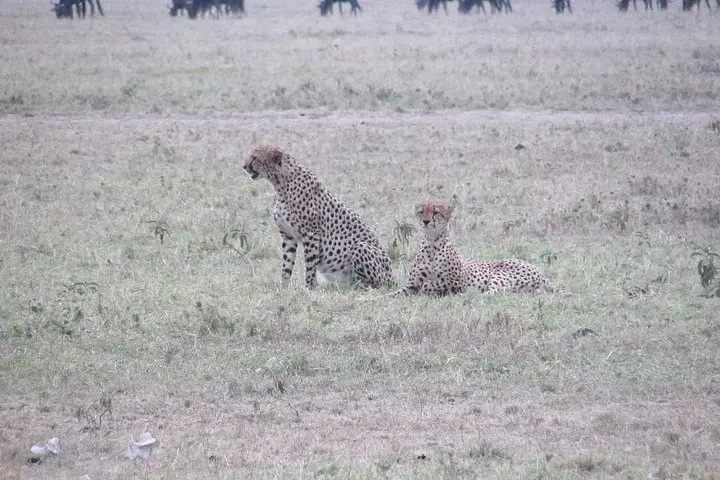
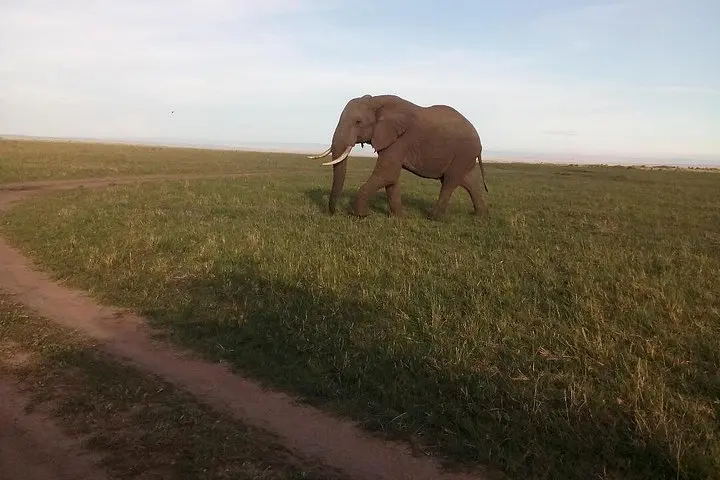
Prepare for temperature swings (cool pre-dawn, hot afternoons), dusty tracks and long hours in an open 4x4. Bring layered clothing, a good pair of binoculars, sun protection and a charged camera battery. Respect park rules: stay in the vehicle during drives, keep noise low, and follow guides’ instructions. With a bit of patience and the right kit, the Mara delivers close views of lions, elephants and the river crossings that define a classic African safari.
Peak river crossings usually occur between July and October, though exact timing shifts year to year—June–September are generally the most reliable months.
Consult a travel clinic before departure—yellow fever certificates may be required depending on origin, and malaria prophylaxis is commonly recommended for the region.
No—guests should remain in the vehicle unless a guide designates a safe area; this protects both visitors and wildlife.
Tipping varies by camp and service; a common guideline is $10–20/day for guides and smaller amounts for support staff—confirm local customs with your operator.
PONGEZI AFRICA SAFARIS operates guided outdoor trips and adventures with an emphasis on safety, stewardship, and memorable experiences.
The sun is low and the Mara River cuts a silver line through grassland, daring you to stay still as hippos grumble beneath the surface and crocodiles slide like dark stones. On this five-day safari the plains open and close around the vehicle—acacias casting long, ribbed shadows while a lion pride dissolves into tall grass beyond the track.
The sun is low and the Mara River cuts a silver line through grassland, daring you to stay still as hippos grumble beneath the surface and crocodiles slide like dark stones. On this five-day safari the plains open and close around the vehicle—acacias casting long, ribbed shadows while a lion pride dissolves into tall grass beyond the track.
Maasai Mara sits on the southern edge of the East African Rift; its rolling plains and seasonal rivers are shaped by volcanic uplifts and the long migration between Serengeti and Mara. The reserve occupies roughly 1,500 km² and is woven with Maasai culture—communities who manage many conservancies and offer village visits that explain beadwork, cattle lore and grazing practices tied to the land.
Daily life on safari is practical: early wake-ups for dawn drives, mid-day rests at tented camps, and long afternoons hunting light for photography. Game drives concentrate along rivers—Mara, Talek and Sand—where watering holes script predator-prey encounters; the wildebeest migration typically peaks between July and October when river crossings are dramatic.
Prepare for temperature swings (cool pre-dawn, hot afternoons), dusty tracks and long hours in an open 4x4. Bring layered clothing, a good pair of binoculars, sun protection and a charged camera battery. Respect park rules: stay in the vehicle during drives, keep noise low, and follow guides’ instructions. With a bit of patience and the right kit, the Mara delivers close views of lions, elephants and the river crossings that define a classic African safari.