THE ADVENTURE COLLECTIVE® · Independent discovery and booking for outdoor travel

A compact five‑day itinerary that pairs Cusco’s imperial sites with a day in the Sacred Valley and a guided visit to Machu Picchu. Perfect for travelers who want structured logistics, expert guides, and time to acclimatize before the citadel.
A compact five‑day itinerary that pairs Cusco’s imperial sites with a day in the Sacred Valley and a guided visit to Machu Picchu. Perfect for travelers who want structured logistics, expert guides, and time to acclimatize before the citadel.
Dawn breaks over Cusco and the air feels thin and clear; stone streets still cool beneath your boots as the city wakes. On this five‑day loop you move from highland plazas to cloud‑forest terraces, watching the Sacred Valley widen beneath train windows and feeling the mist of the Urubamba daring you forward as you approach the citadel.
Verified experiences and guided adventures in the surrounding area.
Operated by Peru Grand Travel · Cusco, Cusco Region
Dawn breaks over Cusco and the air feels thin and clear; stone streets still cool beneath your boots as the city wakes. On this five‑day loop you move from highland plazas to cloud‑forest terraces, watching the Sacred Valley widen beneath train windows and feeling the mist of the Urubamba daring you forward as you approach the citadel.
The route threads through centuries of Inca ingenuity: Qoricancha’s cut stones that once held gold, the massive, quarried blocks of Sacsayhuamán, and the agricultural terraces of Pisac and Ollantaytambo that reveal a refined understanding of microclimates and irrigation. Geologically, you travel over folded Andean strata into the younger, wetter ranges that cradle Machu Picchu — a site reworked by both human hands and persistent cloud forest growth. Local Quechua culture remains present in markets, textile workshops, and small altiplano towns where tradition and Spanish colonial layers overlap.
Practically, the program spaces acclimatization, city touring, a Sacred Valley day, an overnight in Aguas Calientes, and a guided Machu Picchu visit with included bus and train transfers. Expect cobbled streets, short uphill hikes on uneven stone, and steep steps at ruins; bring layered clothing for sun, wind and sudden mountain rain. Hydrate deliberately over the first 48 hours and keep pace steady: altitude, not distance, is the main challenge here. Early starts give the clearest light and smallest crowds at the citadel. With straightforward logistics handled, the trip is about attention — to stone, sound, and the weathered details that make the Inca world feel immediate again.
Yes — the itinerary includes guided entrance to Machu Picchu and the bus tickets between Aguas Calientes and the citadel.
Cusco sits around 3,399 m; the tour allows a day for acclimatization but you should hydrate, avoid alcohol on arrival, and move at an easy pace—consult your doctor for meds if you have prior issues.
Yes — train travel (Expedition or IncaRail) and transfers between stations, hotels, and selected attractions are included per the itinerary details.
The dry season (May–September) offers clearer skies and firmer trails; shoulder months can be quieter but expect more rain from November to March.
Peru Grand Travel operates guided outdoor trips and adventures with an emphasis on safety, stewardship, and memorable experiences.
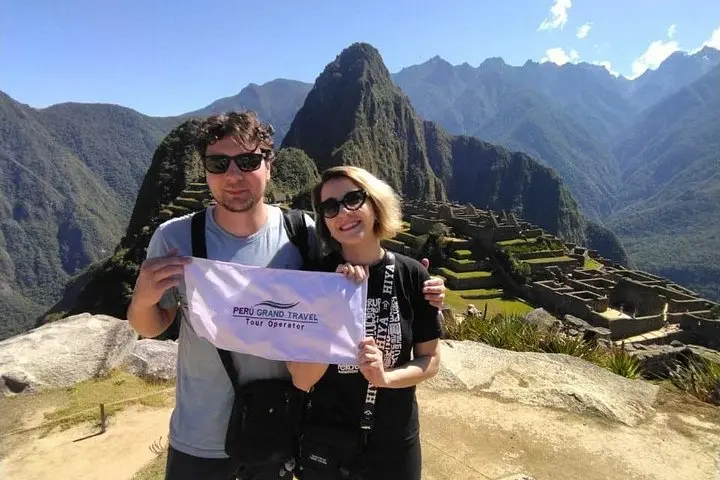
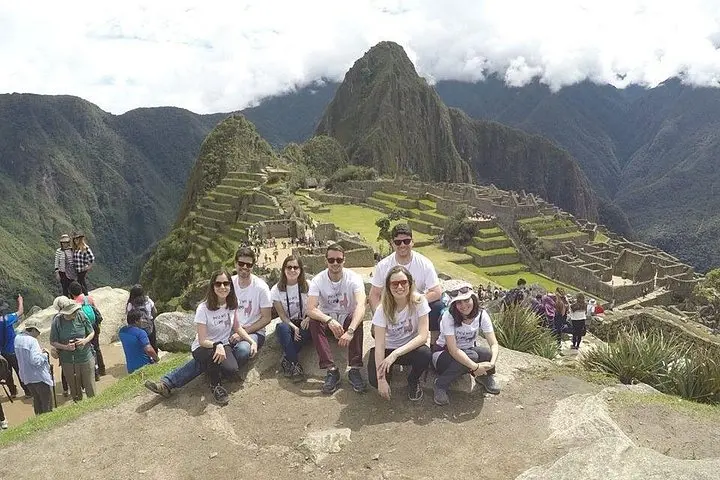
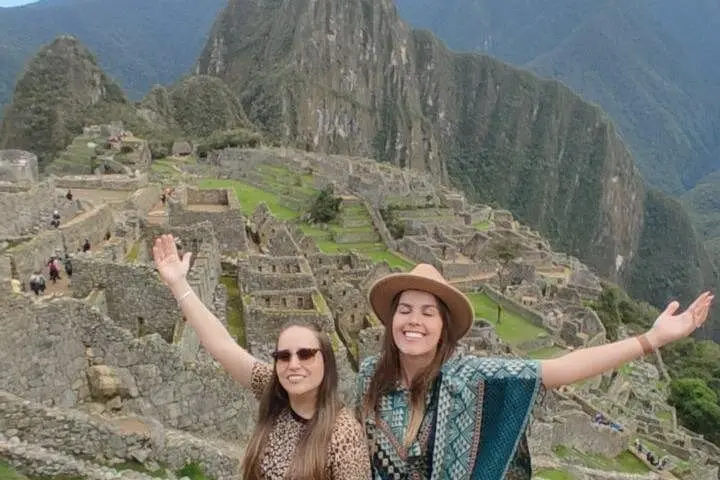
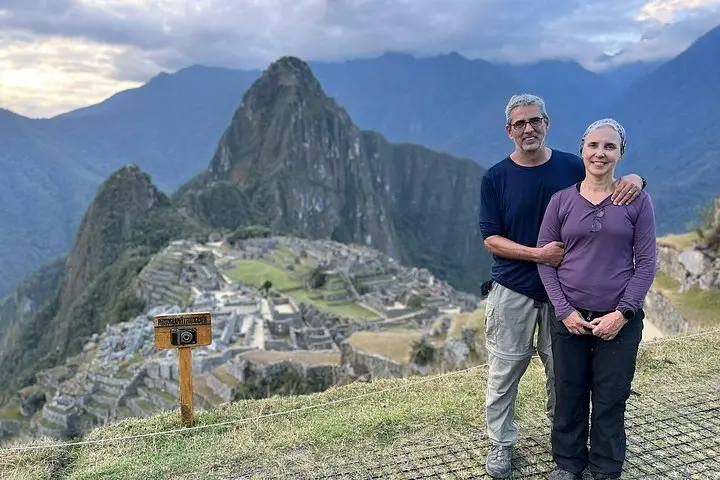
Dawn breaks over Cusco and the air feels thin and clear; stone streets still cool beneath your boots as the city wakes. On this five‑day loop you move from highland plazas to cloud‑forest terraces, watching the Sacred Valley widen beneath train windows and feeling the mist of the Urubamba daring you forward as you approach the citadel.
Dawn breaks over Cusco and the air feels thin and clear; stone streets still cool beneath your boots as the city wakes. On this five‑day loop you move from highland plazas to cloud‑forest terraces, watching the Sacred Valley widen beneath train windows and feeling the mist of the Urubamba daring you forward as you approach the citadel.
The route threads through centuries of Inca ingenuity: Qoricancha’s cut stones that once held gold, the massive, quarried blocks of Sacsayhuamán, and the agricultural terraces of Pisac and Ollantaytambo that reveal a refined understanding of microclimates and irrigation. Geologically, you travel over folded Andean strata into the younger, wetter ranges that cradle Machu Picchu — a site reworked by both human hands and persistent cloud forest growth. Local Quechua culture remains present in markets, textile workshops, and small altiplano towns where tradition and Spanish colonial layers overlap.
Practically, the program spaces acclimatization, city touring, a Sacred Valley day, an overnight in Aguas Calientes, and a guided Machu Picchu visit with included bus and train transfers. Expect cobbled streets, short uphill hikes on uneven stone, and steep steps at ruins; bring layered clothing for sun, wind and sudden mountain rain. Hydrate deliberately over the first 48 hours and keep pace steady: altitude, not distance, is the main challenge here. Early starts give the clearest light and smallest crowds at the citadel. With straightforward logistics handled, the trip is about attention — to stone, sound, and the weathered details that make the Inca world feel immediate again.