THE ADVENTURE COLLECTIVE® · Independent discovery and booking for outdoor travel

Head deep into the Peruvian Amazon on a five‑day wildlife safari to the Manu Wildlife Center. Experience macaw and tapir clay licks, a 34‑m canopy tower, oxbow lakes and guided day and night walks led by local naturalists.
Head deep into the Peruvian Amazon on a five‑day wildlife safari to the Manu Wildlife Center. Experience macaw and tapir clay licks, a 34‑m canopy tower, oxbow lakes and guided day and night walks led by local naturalists.
Mist rises off the Madre de Dios as your boat pushes upstream, the river pushing you into a different tempo—slower, wetter, louder. By midday the Manu Wildlife Center appears as a clearing of wooden buildings and trails, a basecamp for watching the Amazon stage its daily dramas: scarlet macaws carving bright arcs over the canopy, tapirs slipping like shadows to the clay lick at dusk, and troops of monkeys threading the forest with eager hands.
Verified experiences and guided adventures in the surrounding area.
Operated by VIPAC Travel · Boca Colorado / Manu Wildlife Center area, Madre de Dios
Mist rises off the Madre de Dios as your boat pushes upstream, the river pushing you into a different tempo—slower, wetter, louder. By midday the Manu Wildlife Center appears as a clearing of wooden buildings and trails, a basecamp for watching the Amazon stage its daily dramas: scarlet macaws carving bright arcs over the canopy, tapirs slipping like shadows to the clay lick at dusk, and troops of monkeys threading the forest with eager hands.
The Manu region sits at the edge of Manu National Park, a UNESCO biosphere reserve shaped by Andean runoff and floodplain dynamics; oxbow lakes and clay licks form where rivers have changed course, concentrating minerals that draw wildlife. Indigenous communities and rubber-era settlements shaped the human story here, and local guides—many born along the Madre de Dios—bring that cultural memory to each walk and river run.
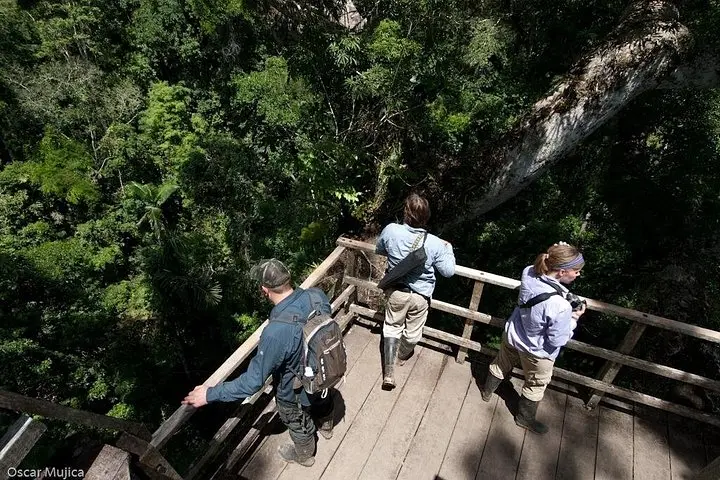
Expect a blend of short forest hikes (uneven, muddy footpaths), quiet observation from hides and a 34‑metre canopy tower, plus multiple river transfers. Days start early to catch feeding windows; nights reveal a different cast via guided trail walks and river searches for caimans and nocturnal mammals.
Practical edge: pack layers for humidity and rain, binoculars and a good headlamp, and plan for long boat transfers with protection for gear. Respect viewing windows at clay licks—silence and patience reward you far more than speed. The trip is low‑impact but remote; follow your guide’s safety briefings and leave no trace to keep this corner of the Amazon thriving for the next visitor.
Travel begins in Puerto Maldonado with a combination of van and multiple boat transfers (several hours total); expect early departures and long river journeys to reach the lodge.
Yes—this package includes lodge accommodations and meals from lunch on day one through breakfast on day five, as well as guided activities listed in the itinerary.
Common sightings include macaws at clay licks, various monkey species, river dolphins or otters at oxbow lakes, and occasional tapir or caiman during night searches—sightings are never guaranteed but the program maximizes encounter windows.
The itinerary notes suitability for all fitness levels, but boat transfers and uneven trails may be challenging for very young children or those with mobility limitations—consult the operator for specific accommodations.
VIPAC Travel operates guided outdoor trips and adventures with an emphasis on safety, stewardship, and memorable experiences.
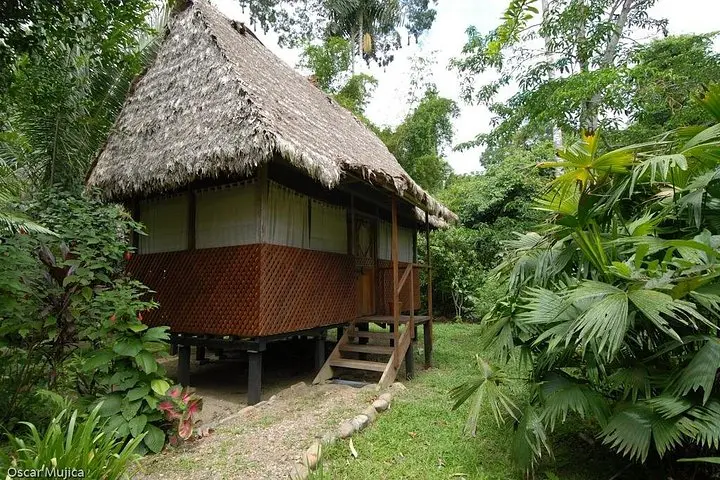
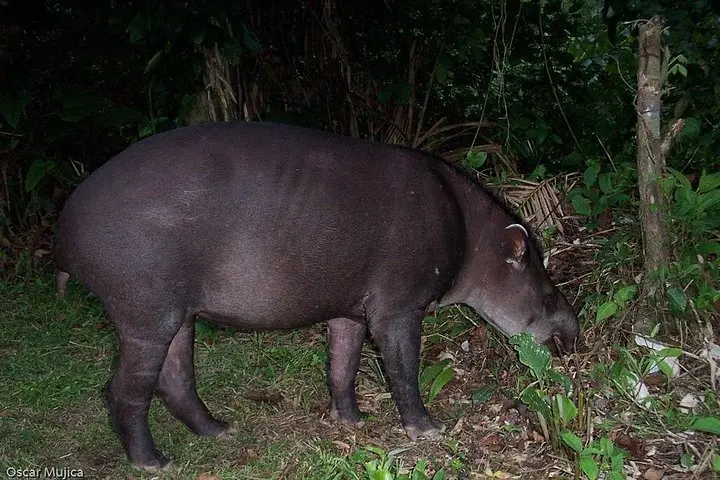
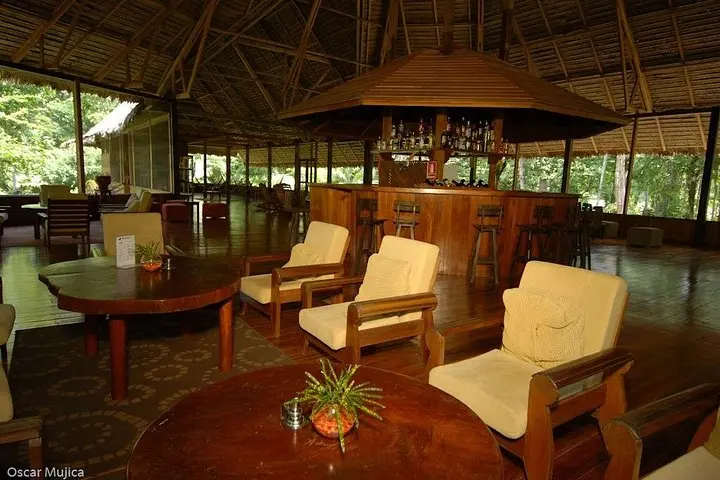
Mist rises off the Madre de Dios as your boat pushes upstream, the river pushing you into a different tempo—slower, wetter, louder. By midday the Manu Wildlife Center appears as a clearing of wooden buildings and trails, a basecamp for watching the Amazon stage its daily dramas: scarlet macaws carving bright arcs over the canopy, tapirs slipping like shadows to the clay lick at dusk, and troops of monkeys threading the forest with eager hands.
Mist rises off the Madre de Dios as your boat pushes upstream, the river pushing you into a different tempo—slower, wetter, louder. By midday the Manu Wildlife Center appears as a clearing of wooden buildings and trails, a basecamp for watching the Amazon stage its daily dramas: scarlet macaws carving bright arcs over the canopy, tapirs slipping like shadows to the clay lick at dusk, and troops of monkeys threading the forest with eager hands.
The Manu region sits at the edge of Manu National Park, a UNESCO biosphere reserve shaped by Andean runoff and floodplain dynamics; oxbow lakes and clay licks form where rivers have changed course, concentrating minerals that draw wildlife. Indigenous communities and rubber-era settlements shaped the human story here, and local guides—many born along the Madre de Dios—bring that cultural memory to each walk and river run.
Expect a blend of short forest hikes (uneven, muddy footpaths), quiet observation from hides and a 34‑metre canopy tower, plus multiple river transfers. Days start early to catch feeding windows; nights reveal a different cast via guided trail walks and river searches for caimans and nocturnal mammals.
Practical edge: pack layers for humidity and rain, binoculars and a good headlamp, and plan for long boat transfers with protection for gear. Respect viewing windows at clay licks—silence and patience reward you far more than speed. The trip is low‑impact but remote; follow your guide’s safety briefings and leave no trace to keep this corner of the Amazon thriving for the next visitor.