THE ADVENTURE COLLECTIVE® · Independent discovery and booking for outdoor travel

A five-day, non-technical ascent of Kilimanjaro via the classic Marangu route that moves from rainforest to alpine desert and finishes at Uhuru Peak. Practical itineraries, elevation gains, and culture meet clear guidance on acclimatization and gear.
A five-day, non-technical ascent of Kilimanjaro via the classic Marangu route that moves from rainforest to alpine desert and finishes at Uhuru Peak. Practical itineraries, elevation gains, and culture meet clear guidance on acclimatization and gear.
Before dawn on summit night, headlamps bob like a slow constellation across the alpine desert. The air bites; each breath is visible and deliberate. You move pole pole—slowly—following a string of lights up scree towards Gilman’s Point and, eventually, Uhuru Peak. That copper rim of Kibo rewards the patient with an enormous Pacific-style horizon: African plains falling away beneath a glacier-scraped crater.
Verified experiences and guided adventures in the surrounding area.
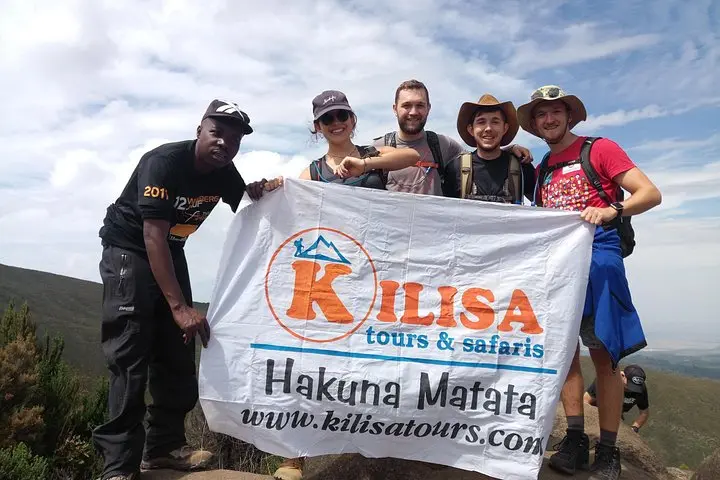
Operated by Kilisa Tours & Safaris · Moshi, Kilimanjaro Region
Before dawn on summit night, headlamps bob like a slow constellation across the alpine desert. The air bites; each breath is visible and deliberate. You move pole pole—slowly—following a string of lights up scree towards Gilman’s Point and, eventually, Uhuru Peak. That copper rim of Kibo rewards the patient with an enormous Pacific-style horizon: African plains falling away beneath a glacier-scraped crater.
The Marangu route wears its history plainly. Opened by early European climbers in the early 20th century, Marangu climbs the gentler eastern flank of Kilimanjaro—Africa’s highest freestanding volcano. Geology shapes everything here: the route begins in dense montane rainforest, slides through heath and moorland dotted with giant lobelias, and finishes in a moonlike alpine desert carved by Kibo’s volcanic past. The Chagga people have lived on Kilimanjaro’s lower slopes for centuries; their coffee terraces and village homesteads frame the approach and offer cultural context before the trail eats away at vegetation.
On this five-day itinerary you’ll rise from about 1,860m at the gate to 5,895m at Uhuru Peak. Daily profiles are compact and practical: Day 1, rainforest to Mandara Hut (≈8km, +840m); Day 2, moorland to Horombo Hut (≈12km, +1,000m); Day 3, Kibo Hut on the saddle (≈9km, +1,000m); Day 4, summit push and descent (≈6km up, 15km down; +1,195m to summit, then long descent); Day 5, steady down to Marangu gate and return to Moshi.
The route is non-technical but altitude is the adversary. Guides emphasize acclimatization, rhythm, and hydration—'pole pole' isn’t a slogan, it’s a survival strategy. Expect mixed terrain: slippery rainforest roots, tussock and scrub on the saddle, loose volcanic scree and occasional snow near the rim. Evening hut life is basic; you sleep in dorm-style refuges and share meals prepared by your trekking team.
Practical edge: train with long hikes and stair climbing; use trekking poles to conserve knees on the descent; pack layered insulation and a reliable headlamp for the summit bid. Bring altitude medication if advised, and plan for weather swings from tropical warmth in Moshi to sub-zero on the crater rim.
If you want to turn a climb into a cultural trip, arrive early in Moshi to visit a coffee cooperative or hire a guide for a short Chagga village walk. Respect the park’s rules—stay on trails, minimize waste, and tip porters and guides fairly; they make the mountain possible.
Marangu is considered one of the more straightforward routes in terms of navigation and terrain, but altitude makes it challenging—good fitness and acclimatization are essential.
No ropes or technical gear are required; however, warm layers, sturdy boots, and poles are necessary for safety and comfort.
Huts are dormitory-style with bunk beds, communal dining, and basic facilities; expect simple amenities and prepared meals.
Yes, acute mountain sickness can occur; guides monitor clients, recommend slow pacing, hydration, and may use oxygen or descend if symptoms worsen.
Two main seasons—January to mid-March and June to October—offer more stable weather and clearer summit conditions.
This itinerary includes professional guides, cooks, and porters; tipping at the end is customary and supports local livelihoods.
Kilisa Tours & Safaris operates guided outdoor trips and adventures with an emphasis on safety, stewardship, and memorable experiences.
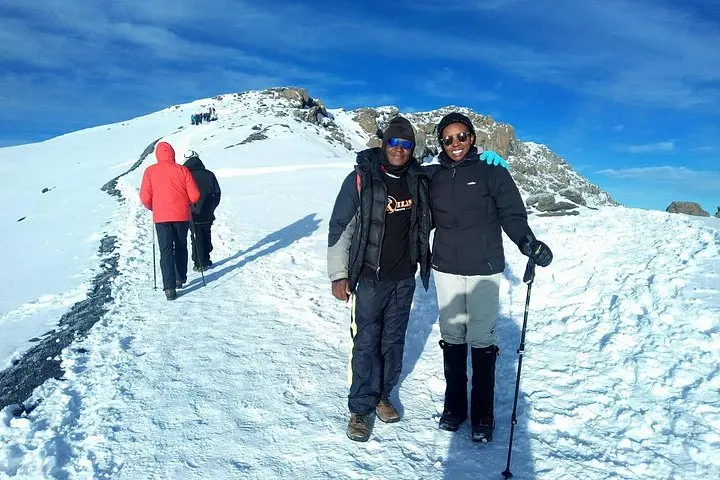
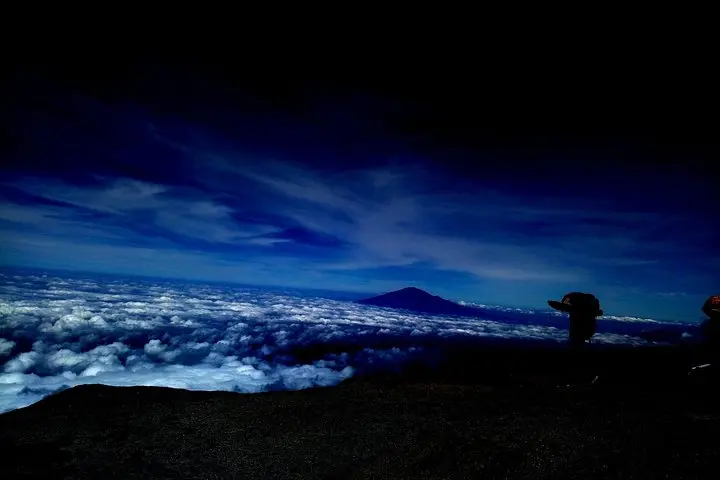
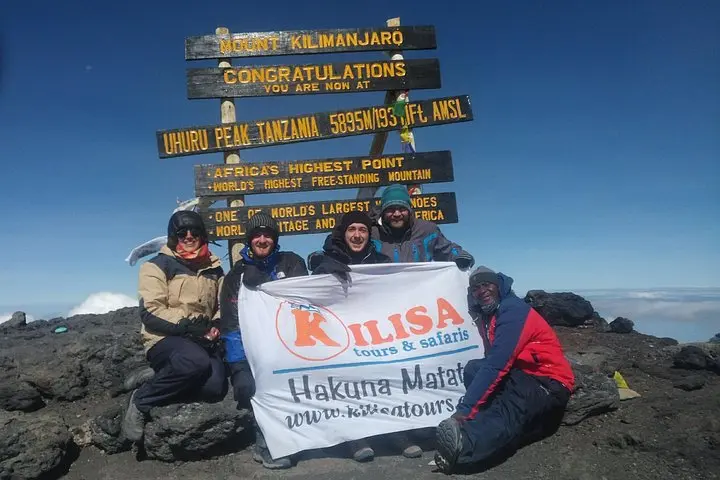
Before dawn on summit night, headlamps bob like a slow constellation across the alpine desert. The air bites; each breath is visible and deliberate. You move pole pole—slowly—following a string of lights up scree towards Gilman’s Point and, eventually, Uhuru Peak. That copper rim of Kibo rewards the patient with an enormous Pacific-style horizon: African plains falling away beneath a glacier-scraped crater.
Before dawn on summit night, headlamps bob like a slow constellation across the alpine desert. The air bites; each breath is visible and deliberate. You move pole pole—slowly—following a string of lights up scree towards Gilman’s Point and, eventually, Uhuru Peak. That copper rim of Kibo rewards the patient with an enormous Pacific-style horizon: African plains falling away beneath a glacier-scraped crater.
The Marangu route wears its history plainly. Opened by early European climbers in the early 20th century, Marangu climbs the gentler eastern flank of Kilimanjaro—Africa’s highest freestanding volcano. Geology shapes everything here: the route begins in dense montane rainforest, slides through heath and moorland dotted with giant lobelias, and finishes in a moonlike alpine desert carved by Kibo’s volcanic past. The Chagga people have lived on Kilimanjaro’s lower slopes for centuries; their coffee terraces and village homesteads frame the approach and offer cultural context before the trail eats away at vegetation.
On this five-day itinerary you’ll rise from about 1,860m at the gate to 5,895m at Uhuru Peak. Daily profiles are compact and practical: Day 1, rainforest to Mandara Hut (≈8km, +840m); Day 2, moorland to Horombo Hut (≈12km, +1,000m); Day 3, Kibo Hut on the saddle (≈9km, +1,000m); Day 4, summit push and descent (≈6km up, 15km down; +1,195m to summit, then long descent); Day 5, steady down to Marangu gate and return to Moshi.
The route is non-technical but altitude is the adversary. Guides emphasize acclimatization, rhythm, and hydration—'pole pole' isn’t a slogan, it’s a survival strategy. Expect mixed terrain: slippery rainforest roots, tussock and scrub on the saddle, loose volcanic scree and occasional snow near the rim. Evening hut life is basic; you sleep in dorm-style refuges and share meals prepared by your trekking team.
Practical edge: train with long hikes and stair climbing; use trekking poles to conserve knees on the descent; pack layered insulation and a reliable headlamp for the summit bid. Bring altitude medication if advised, and plan for weather swings from tropical warmth in Moshi to sub-zero on the crater rim.
If you want to turn a climb into a cultural trip, arrive early in Moshi to visit a coffee cooperative or hire a guide for a short Chagga village walk. Respect the park’s rules—stay on trails, minimize waste, and tip porters and guides fairly; they make the mountain possible.