THE ADVENTURE COLLECTIVE® · Independent discovery and booking for outdoor travel

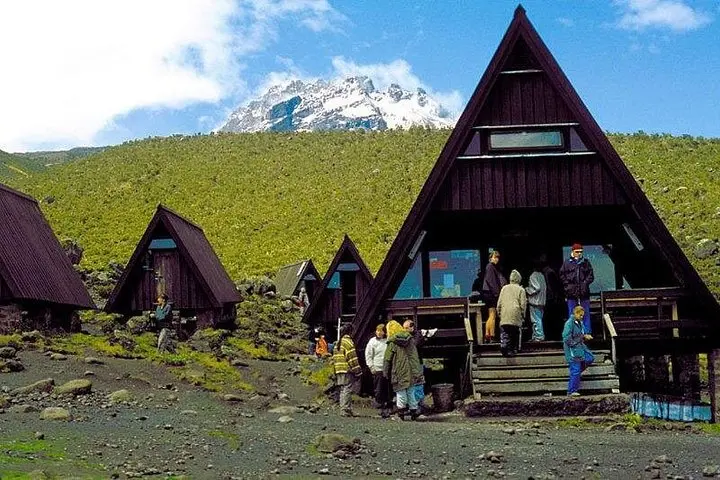
Trek the historic Marangu Route over five days, sleeping in mountain huts and following a progressively higher path from rainforest to alpine desert. This hut-to-hut climb offers accessible logistics and a classic summit push to Uhuru Peak — plan for altitude, variable weather and long summit night hours.
Trek the historic Marangu Route over five days, sleeping in mountain huts and following a progressively higher path from rainforest to alpine desert. This hut-to-hut climb offers accessible logistics and a classic summit push to Uhuru Peak — plan for altitude, variable weather and long summit night hours.
A cold wind pushes across the saddle as headlamps stitch a ribbon of light into the night; by dawn the crater rim glows and the summit pulls into view. The Marangu Route begins in rainforest, moves through heather and moorland, then into a stark alpine desert where every breath feels earned.
Verified experiences and guided adventures in the surrounding area.
Operated by Moshi Treks · Moshi, Kilimanjaro Region
A cold wind pushes across the saddle as headlamps stitch a ribbon of light into the night; by dawn the crater rim glows and the summit pulls into view. The Marangu Route begins in rainforest, moves through heather and moorland, then into a stark alpine desert where every breath feels earned.
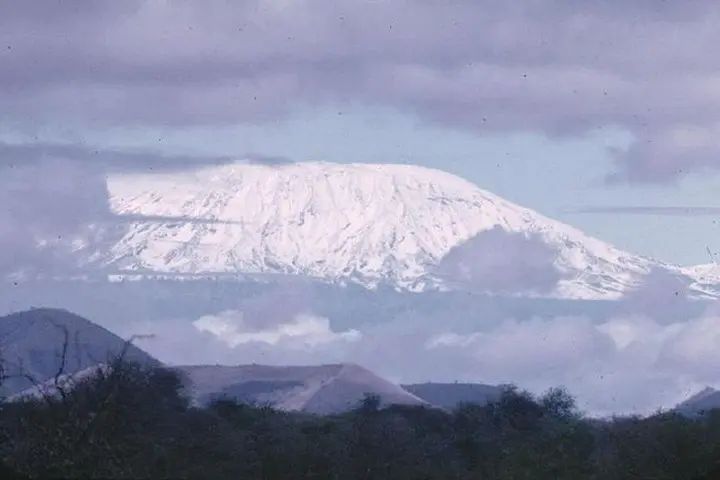
Marangu — the so-called “Coca‑Cola” route — is the mountain’s most established hut-to-hut line. Kilimanjaro itself is a dormant stratovolcano with three volcanic cones (Shira, Mawenzi, Kibo) and a fragile summit glacier that has receded noticeably in living memory. The lower slopes are worked by the Chagga people; on the trek you’ll share meals and dormitories, and depend on an experienced crew of guides, cooks and porters who manage logistics and acclimatization.
Expect roughly 5 days on trail, around 64 km round-trip and about 4,000 m of elevation gain from Marangu Gate (~1,860 m) to Uhuru Peak (5,895 m). Trails alternate between muddy rainforest tracks, rocky moorland, and loose scree on the final ascent. The summit push starts around midnight and requires steady pacing on steep scree or snow; no technical climbing equipment is necessary but stamina and good breathing at altitude are.
Plan for cold nights, sudden weather swings and slower-than-normal hiking at higher elevations. Bring layered insulation, a reliable headlamp, trekking poles and patience — the route rewards persistence with sunrise over the African plains and an unforgettable sense of arrival at the roof of the continent.
No technical skills are required; the route is a strenuous hike on well‑defined trails, though loose scree near the summit can be tiring.
Altitude sickness is a common risk—symptoms vary; good acclimatization, slow pacing, hydration and following guide advice are crucial.
Huts provide dormitory‑style bunks, basic shared facilities and cooked meals — more comfortable than camping but still rustic.
The clearest windows are the long dry season (June–October) and a shorter dry period around January–February; wet months bring muddier trails and reduced summit visibility.
Moshi Treks operates guided outdoor trips and adventures with an emphasis on safety, stewardship, and memorable experiences.
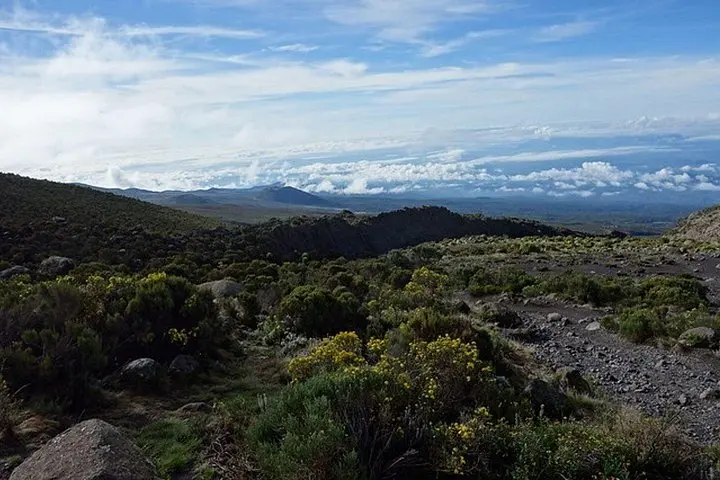
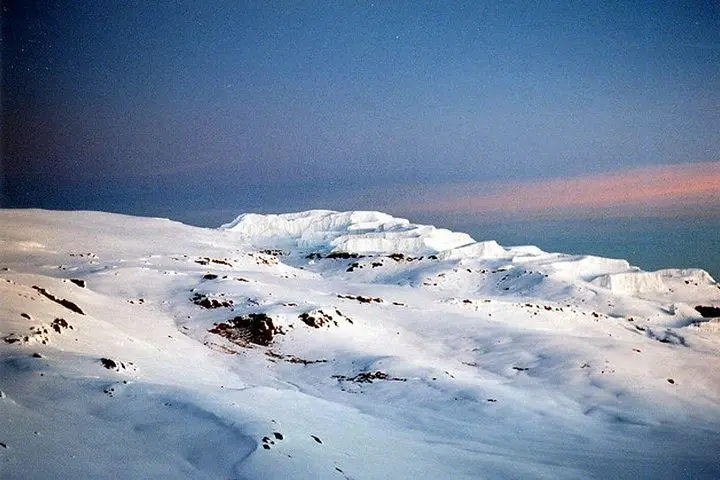
A cold wind pushes across the saddle as headlamps stitch a ribbon of light into the night; by dawn the crater rim glows and the summit pulls into view. The Marangu Route begins in rainforest, moves through heather and moorland, then into a stark alpine desert where every breath feels earned.
A cold wind pushes across the saddle as headlamps stitch a ribbon of light into the night; by dawn the crater rim glows and the summit pulls into view. The Marangu Route begins in rainforest, moves through heather and moorland, then into a stark alpine desert where every breath feels earned.
Marangu — the so-called “Coca‑Cola” route — is the mountain’s most established hut-to-hut line. Kilimanjaro itself is a dormant stratovolcano with three volcanic cones (Shira, Mawenzi, Kibo) and a fragile summit glacier that has receded noticeably in living memory. The lower slopes are worked by the Chagga people; on the trek you’ll share meals and dormitories, and depend on an experienced crew of guides, cooks and porters who manage logistics and acclimatization.
Expect roughly 5 days on trail, around 64 km round-trip and about 4,000 m of elevation gain from Marangu Gate (~1,860 m) to Uhuru Peak (5,895 m). Trails alternate between muddy rainforest tracks, rocky moorland, and loose scree on the final ascent. The summit push starts around midnight and requires steady pacing on steep scree or snow; no technical climbing equipment is necessary but stamina and good breathing at altitude are.
Plan for cold nights, sudden weather swings and slower-than-normal hiking at higher elevations. Bring layered insulation, a reliable headlamp, trekking poles and patience — the route rewards persistence with sunrise over the African plains and an unforgettable sense of arrival at the roof of the continent.