THE ADVENTURE COLLECTIVE® · Independent discovery and booking for outdoor travel

Five days on the Marangu Route take you from rainforest to Uhuru Peak. This practical guide walks you through the elevation profile, hut nights, summit-night strategy, and what to expect from the climb and local culture.
Five days on the Marangu Route take you from rainforest to Uhuru Peak. This practical guide walks you through the elevation profile, hut nights, summit-night strategy, and what to expect from the climb and local culture.
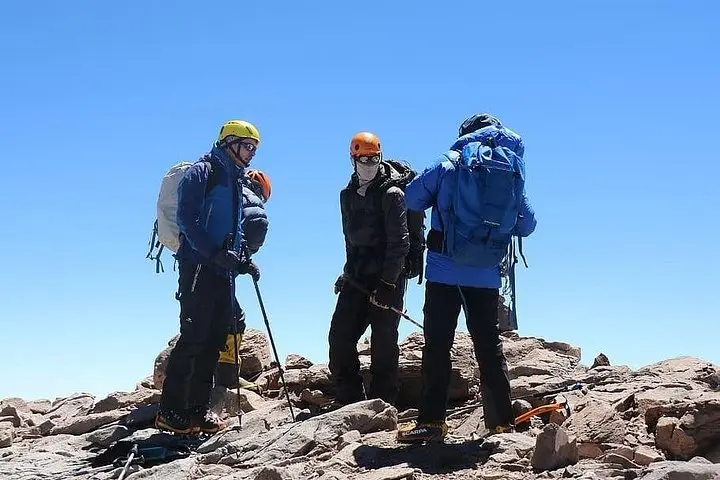
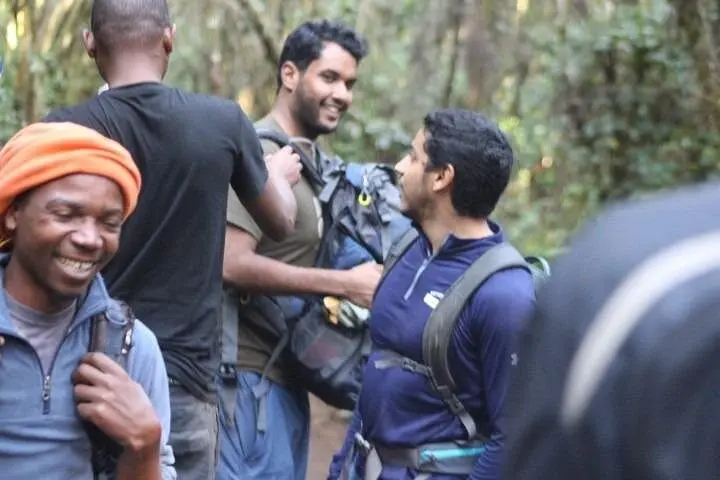
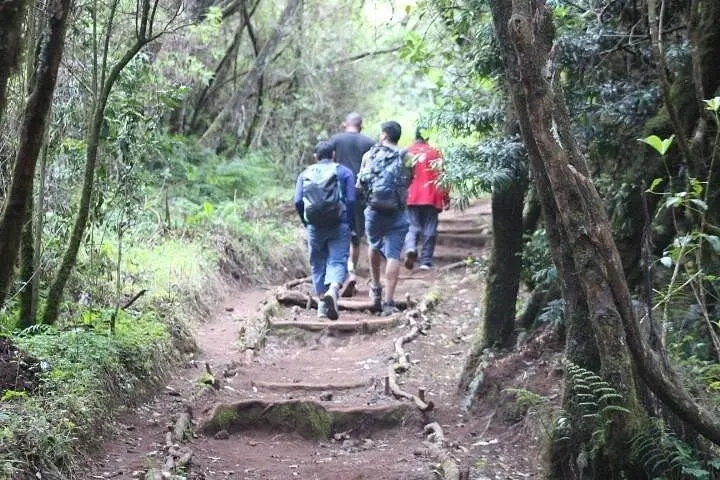
You stand at Marangu Gate before dawn, mist clinging to the ferns and a chorus of bulbuls and distant bellows from the mountain’s flanks. Porters sort gear, guides check radios, and a handful of trekkers tighten boot laces—there’s an immediate, practical hush to the start: this is work as much as wonder. Over the next five days the trail pulls you through wet rainforest, past giant lobelias in the heather zone, across a wind-scoured lunar saddle, and finally to Uhuru Peak at 5,895 meters, where sunrise throws the African plain into a hard, golden plane.
Verified experiences and guided adventures in the surrounding area.
Operated by KILIMANJARO CLIMBING TOURS · Moshi, Kilimanjaro Region
You stand at Marangu Gate before dawn, mist clinging to the ferns and a chorus of bulbuls and distant bellows from the mountain’s flanks. Porters sort gear, guides check radios, and a handful of trekkers tighten boot laces—there’s an immediate, practical hush to the start: this is work as much as wonder. Over the next five days the trail pulls you through wet rainforest, past giant lobelias in the heather zone, across a wind-scoured lunar saddle, and finally to Uhuru Peak at 5,895 meters, where sunrise throws the African plain into a hard, golden plane.
Geology and history are written in the slopes: Kilimanjaro is a three-peaked stratovolcano—Kibo (the silent summit), Mawenzi’s jagged teeth, and the eroded Shira—the result of volcanic activity and long glacial retreat. The Marangu Route follows the mountain’s southeastern approach, first crossing rainforest at about 1,700m and finishing on the volcanic rim above 5,600m. For centuries the Chagga people have shaped livelihoods on these lower slopes; their terraced farms and villages around Moshi provide the human counterpoint to high-mountain solitude.
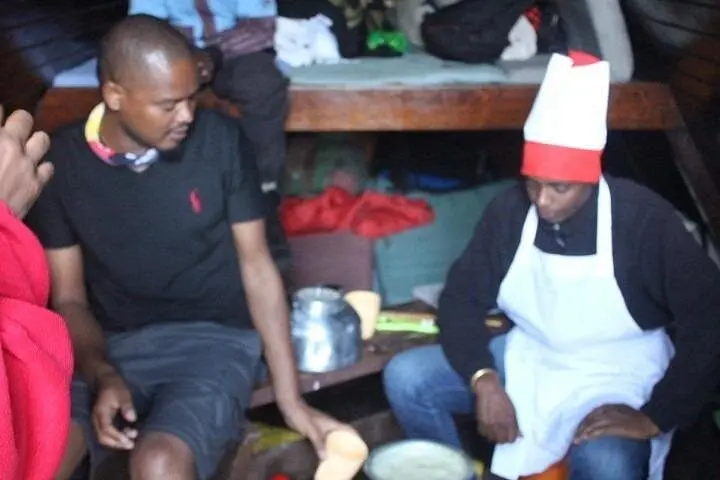
The experience is structured and social: huts at Mandara, Horombo and Kibo break the route into manageable steps, but don’t mistake huts for comfort—expect shared bunks, hearty communal meals, and cold mornings. The summit push is a classic alpine-night operation: a midnight wakeup, 6–8 hours of slow, deliberate ascent across scree and rock, and a dawn arrival that feels earned rather than granted. Altitude is the mountain’s real difficulty—your pace, not raw technicality, determines success.
Practical guidance: the itinerary climbs roughly 1,000–1,200 meters on several days (Marangu Gate 1,700m → Mandara 2,740m; Horombo 3,700m; Kibo ~4,700m → Uhuru 5,895m). Expect 5 days of organized trekking with full board and transfers; summit night departs around 23:30. Hydration and slow pacing are non-negotiable; drink frequently, carry electrolytes, and listen to guides for acclimatization cues. Footwear with good ankle support and gaiters for scree are useful; a warm down jacket, insulated sleeping layer, and a bright headlamp make the summit night tolerable.
Logistics and local notes: arrive in Moshi a day early to confirm kit and permits; know that weather can flip from blazing sun to sleet in hours. Respect porter weight limits and pack light—most operators include porter support. If altitude symptoms emerge, guides will descend; this route’s hut network lets teams adapt by adding an extra acclimatization day at Horombo, which materially improves summit odds.
The climb is equal parts physical test and cultural encounter—steeped in volcanic history and shaped by local mountain communities. With preparation, a measured pace, and respect for the altitude, the Marangu Route delivers one of Africa’s most direct paths to standing on the continent’s roof.
The summit push begins around 11:30pm–12:30am and takes roughly 6–8 hours to reach Uhuru Peak, followed by a 3–5 hour descent to Horombo Hut.
No technical mountaineering skills are required, but previous multi-day trekking and acclimatization experience significantly increase your chance of success.
Accommodation is in shared mountain huts with dormitory bunks; expect basic facilities and communal meals provided by the operator.
Mild symptoms include headache, nausea, and fatigue; severe signs—persistent vomiting, confusion, or breathlessness at rest—require immediate descent and medical attention.
Most operators include porters for personal gear; confirm weight limits and tip guidance before departure.
The main climbing windows are January–March and June–October during drier weather; conditions can be variable, so check forecasts and pack for cold and wet weather.
KILIMANJARO CLIMBING TOURS operates guided outdoor trips and adventures with an emphasis on safety, stewardship, and memorable experiences.
You stand at Marangu Gate before dawn, mist clinging to the ferns and a chorus of bulbuls and distant bellows from the mountain’s flanks. Porters sort gear, guides check radios, and a handful of trekkers tighten boot laces—there’s an immediate, practical hush to the start: this is work as much as wonder. Over the next five days the trail pulls you through wet rainforest, past giant lobelias in the heather zone, across a wind-scoured lunar saddle, and finally to Uhuru Peak at 5,895 meters, where sunrise throws the African plain into a hard, golden plane.
You stand at Marangu Gate before dawn, mist clinging to the ferns and a chorus of bulbuls and distant bellows from the mountain’s flanks. Porters sort gear, guides check radios, and a handful of trekkers tighten boot laces—there’s an immediate, practical hush to the start: this is work as much as wonder. Over the next five days the trail pulls you through wet rainforest, past giant lobelias in the heather zone, across a wind-scoured lunar saddle, and finally to Uhuru Peak at 5,895 meters, where sunrise throws the African plain into a hard, golden plane.
Geology and history are written in the slopes: Kilimanjaro is a three-peaked stratovolcano—Kibo (the silent summit), Mawenzi’s jagged teeth, and the eroded Shira—the result of volcanic activity and long glacial retreat. The Marangu Route follows the mountain’s southeastern approach, first crossing rainforest at about 1,700m and finishing on the volcanic rim above 5,600m. For centuries the Chagga people have shaped livelihoods on these lower slopes; their terraced farms and villages around Moshi provide the human counterpoint to high-mountain solitude.
The experience is structured and social: huts at Mandara, Horombo and Kibo break the route into manageable steps, but don’t mistake huts for comfort—expect shared bunks, hearty communal meals, and cold mornings. The summit push is a classic alpine-night operation: a midnight wakeup, 6–8 hours of slow, deliberate ascent across scree and rock, and a dawn arrival that feels earned rather than granted. Altitude is the mountain’s real difficulty—your pace, not raw technicality, determines success.
Practical guidance: the itinerary climbs roughly 1,000–1,200 meters on several days (Marangu Gate 1,700m → Mandara 2,740m; Horombo 3,700m; Kibo ~4,700m → Uhuru 5,895m). Expect 5 days of organized trekking with full board and transfers; summit night departs around 23:30. Hydration and slow pacing are non-negotiable; drink frequently, carry electrolytes, and listen to guides for acclimatization cues. Footwear with good ankle support and gaiters for scree are useful; a warm down jacket, insulated sleeping layer, and a bright headlamp make the summit night tolerable.
Logistics and local notes: arrive in Moshi a day early to confirm kit and permits; know that weather can flip from blazing sun to sleet in hours. Respect porter weight limits and pack light—most operators include porter support. If altitude symptoms emerge, guides will descend; this route’s hut network lets teams adapt by adding an extra acclimatization day at Horombo, which materially improves summit odds.
The climb is equal parts physical test and cultural encounter—steeped in volcanic history and shaped by local mountain communities. With preparation, a measured pace, and respect for the altitude, the Marangu Route delivers one of Africa’s most direct paths to standing on the continent’s roof.