THE ADVENTURE COLLECTIVE® · Independent discovery and booking for outdoor travel

A five-day, hut-to-hut ascent of Kilimanjaro via the Marangu Route pairs managed comfort with a classic summit push. Expect rainforest trails, stark alpine desert, and a midnight climb to Uhuru Peak—prepare for altitude, shared huts, and dramatic weather swings.
A five-day, hut-to-hut ascent of Kilimanjaro via the Marangu Route pairs managed comfort with a classic summit push. Expect rainforest trails, stark alpine desert, and a midnight climb to Uhuru Peak—prepare for altitude, shared huts, and dramatic weather swings.
The night bus from Moshi drops you where mist clings to coffee trees and the silhouette of Kibo looms like a promise. At Marangu Gate the guides check permits by torchlight; porters shoulder canvas packs and the rainforest exhales wet air that smells of earth and wild ginger. Your first steps are under a closed canopy—ferns brushing your calves, the path soft with leaf litter—until Mandara Hut breaks the green and offers the first wide view of the mountain’s flanks.
Verified experiences and guided adventures in the surrounding area.
Operated by Tarry Adventures and Safaris · Moshi, Kilimanjaro Region
The night bus from Moshi drops you where mist clings to coffee trees and the silhouette of Kibo looms like a promise. At Marangu Gate the guides check permits by torchlight; porters shoulder canvas packs and the rainforest exhales wet air that smells of earth and wild ginger. Your first steps are under a closed canopy—ferns brushing your calves, the path soft with leaf litter—until Mandara Hut breaks the green and offers the first wide view of the mountain’s flanks.
Marangu is the classic, oldest route up Kilimanjaro and the only one with hut accommodation, a fact that shapes the experience: shorter pack lists, shared dormitories, and an itinerary that trades some of the wilderness solitude for the comfort of roofs and hot meals. Geologically, Kilimanjaro is a stratovolcano whose last major eruptions left the jagged rims of Kibo and Mawenzi; as you climb you move through distinct life zones—lowland rainforest, heath and moorland, alpine desert, and finally the arctic summit zone—each with its own soils, plants, and weather personality.
Culturally, this mountain sits in Chagga country. Villages clinging to the lower slopes grow bananas and coffee on terraces cut into volcanic soils; porters and guides often come from these communities and bring stories of old routes, medicinal plants, and local ceremonies that honor the mountain.
Practicalities make or break a summit attempt. The 5-day Marangu itinerary is compact: roughly 60–70 km round trip with about 4,000 m cumulative elevation gain from gate to Uhuru Peak (5,895 m). Daily hiking ranges from 4–8 hours; the summit push begins around midnight and asks for slow, deliberate steps on scree and volcanic ash. Altitude is the primary risk—move slowly, sip frequently, and listen to your body. Hut sleeping simplifies logistics but be ready for shared, sometimes chilly dorms and basic facilities.
Footwear with a solid tread for muddy trails and loose scree, layered clothing for big temperature swings, and a reliable headlamp for the summit night are non-negotiable. Hydration systems and electrolyte supplements help stave off headache and fatigue; consider Diamox only after consulting a physician. Weather is fickle—sun can turn to driving sleet within hours—so pack waterproofs and an insulated jacket.
Logistics are straightforward: Moshi is the staging town with hotels, cafes, and outfitting shops; pickups are typically arranged from there. Reserve permits and a licensed guide; respect park rules and local wages for porters. When you stand on Uhuru at sunrise, the world below seems improbably small—an earned hush, framed by wind and a thin, impossible sky.
Technically it’s non-technical but physically demanding: expect long days, high altitude, and a strenuous midnight summit push—good fitness and acclimatization are essential.
Huts are basic communal dormitories with bunks; you’ll sleep in shared rooms and use communal latrines—bring a warm sleeping liner.
No technical climbing skills are required—this is a trekking route—but prior high-elevation hiking experience helps.
Yes—porters are standard on Marangu; ensure they are fairly contracted and pay adheres to local ethical guidelines.
Altitude sickness and rapid weather changes are the primary hazards; follow your guide, move slowly, and carry warm layers.
Dry seasons (January–March and June–October) have more stable weather and clearer summit views, though conditions can vary year to year.
Tarry Adventures and Safaris operates guided outdoor trips and adventures with an emphasis on safety, stewardship, and memorable experiences.
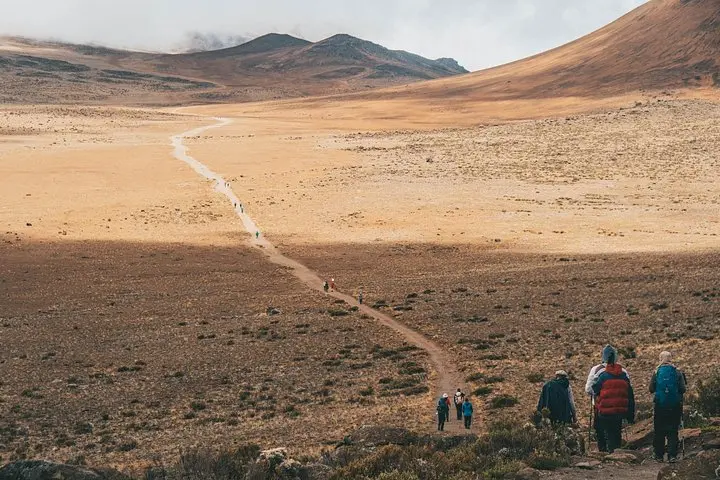
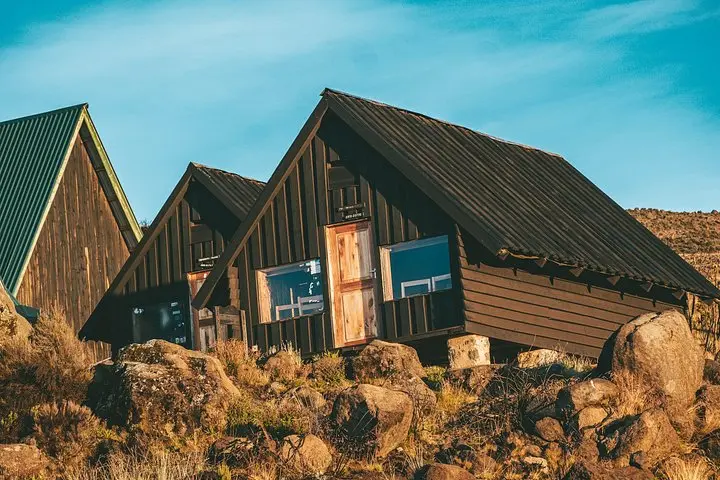
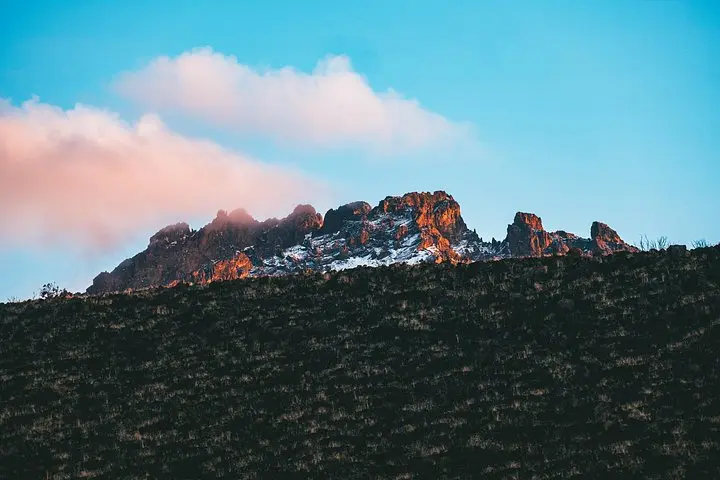
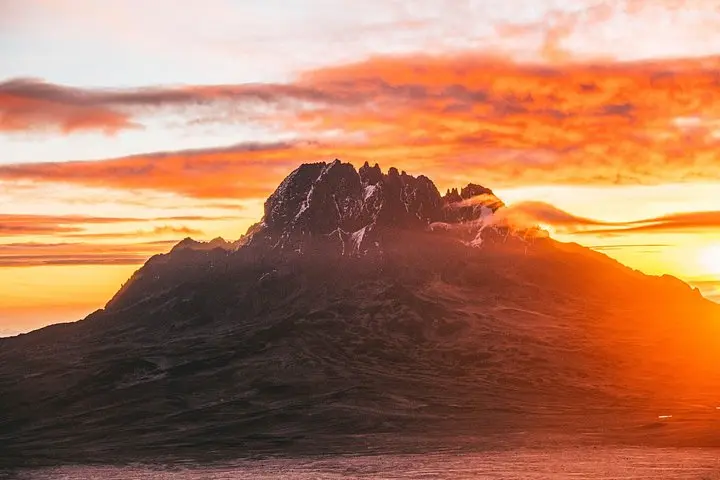
The night bus from Moshi drops you where mist clings to coffee trees and the silhouette of Kibo looms like a promise. At Marangu Gate the guides check permits by torchlight; porters shoulder canvas packs and the rainforest exhales wet air that smells of earth and wild ginger. Your first steps are under a closed canopy—ferns brushing your calves, the path soft with leaf litter—until Mandara Hut breaks the green and offers the first wide view of the mountain’s flanks.
The night bus from Moshi drops you where mist clings to coffee trees and the silhouette of Kibo looms like a promise. At Marangu Gate the guides check permits by torchlight; porters shoulder canvas packs and the rainforest exhales wet air that smells of earth and wild ginger. Your first steps are under a closed canopy—ferns brushing your calves, the path soft with leaf litter—until Mandara Hut breaks the green and offers the first wide view of the mountain’s flanks.
Marangu is the classic, oldest route up Kilimanjaro and the only one with hut accommodation, a fact that shapes the experience: shorter pack lists, shared dormitories, and an itinerary that trades some of the wilderness solitude for the comfort of roofs and hot meals. Geologically, Kilimanjaro is a stratovolcano whose last major eruptions left the jagged rims of Kibo and Mawenzi; as you climb you move through distinct life zones—lowland rainforest, heath and moorland, alpine desert, and finally the arctic summit zone—each with its own soils, plants, and weather personality.
Culturally, this mountain sits in Chagga country. Villages clinging to the lower slopes grow bananas and coffee on terraces cut into volcanic soils; porters and guides often come from these communities and bring stories of old routes, medicinal plants, and local ceremonies that honor the mountain.
Practicalities make or break a summit attempt. The 5-day Marangu itinerary is compact: roughly 60–70 km round trip with about 4,000 m cumulative elevation gain from gate to Uhuru Peak (5,895 m). Daily hiking ranges from 4–8 hours; the summit push begins around midnight and asks for slow, deliberate steps on scree and volcanic ash. Altitude is the primary risk—move slowly, sip frequently, and listen to your body. Hut sleeping simplifies logistics but be ready for shared, sometimes chilly dorms and basic facilities.
Footwear with a solid tread for muddy trails and loose scree, layered clothing for big temperature swings, and a reliable headlamp for the summit night are non-negotiable. Hydration systems and electrolyte supplements help stave off headache and fatigue; consider Diamox only after consulting a physician. Weather is fickle—sun can turn to driving sleet within hours—so pack waterproofs and an insulated jacket.
Logistics are straightforward: Moshi is the staging town with hotels, cafes, and outfitting shops; pickups are typically arranged from there. Reserve permits and a licensed guide; respect park rules and local wages for porters. When you stand on Uhuru at sunrise, the world below seems improbably small—an earned hush, framed by wind and a thin, impossible sky.