THE ADVENTURE COLLECTIVE® · Independent discovery and booking for outdoor travel

Take the classic Marangu Route to Uhuru Peak in five days: hut-to-hut shelter, rainforest to alpine desert, and a summit night that rewards steady pacing. This guide explains the route, daily elevations, what to bring and how to prepare.
Take the classic Marangu Route to Uhuru Peak in five days: hut-to-hut shelter, rainforest to alpine desert, and a summit night that rewards steady pacing. This guide explains the route, daily elevations, what to bring and how to prepare.
A predawn drizzle lifts as porters haul turquoises and packs along a narrow rainforest track — the first day on the Marangu Route begins beneath tall eucalyptus and the chatter of colobus monkeys. The trail moves steadily upward, trading wet forest for giant lobelias and open moorland until the compact, communal Mandara and Horombo huts appear like practical waystations against the mountain’s scale.
Verified experiences and guided adventures in the surrounding area.
Operated by MERU SLOPES TOURS AND SAFARIS · Marangu, Kilimanjaro Region
A predawn drizzle lifts as porters haul turquoises and packs along a narrow rainforest track — the first day on the Marangu Route begins beneath tall eucalyptus and the chatter of colobus monkeys. The trail moves steadily upward, trading wet forest for giant lobelias and open moorland until the compact, communal Mandara and Horombo huts appear like practical waystations against the mountain’s scale.
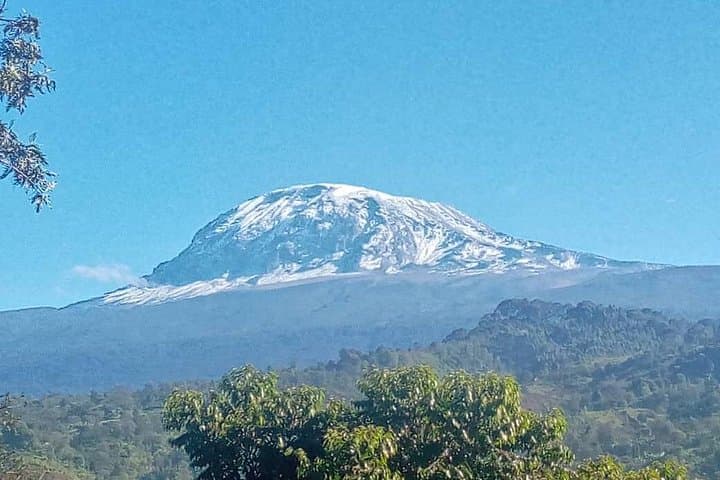
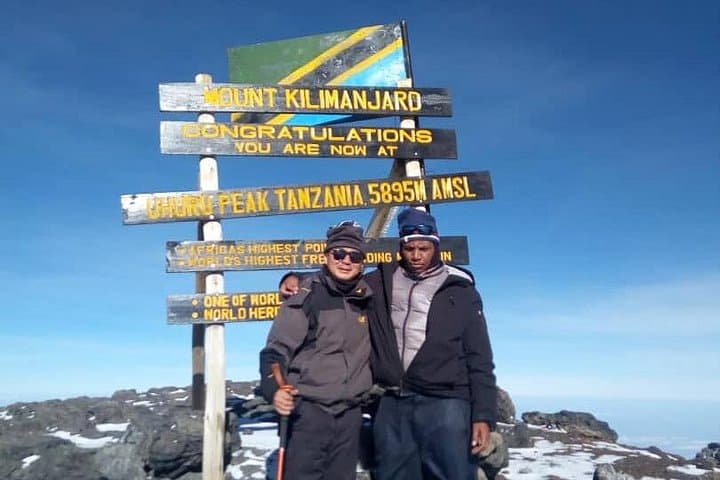
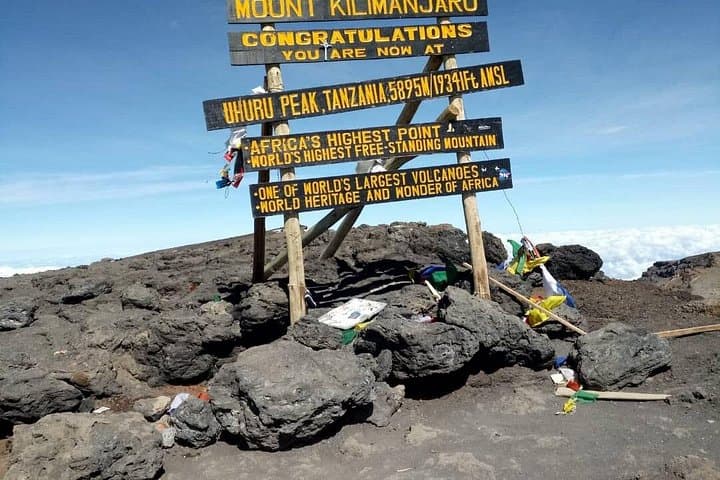
Marangu is the oldest, shortest and most direct path to Uhuru Peak (5,895 m), traditionally called the “Coca-Cola” route because of its hut system and relative accessibility. Geologically you cross volcanic slopes: dense forest bands give way to heath and then the alpine desert of the saddle between Mawenzi and Kibo. The Chagga people have long lived on the mountain’s lower flanks; explorers reached the summit in the late 19th century, and the range is now protected inside Kilimanjaro National Park and a UNESCO site.
Expect four main elevation pushes: ~1,860→2,700 m (day 1); 2,700→3,700 m (day 2); 3,700→4,700 m (day 3); and the summit night: ~4,700→5,895 m then descent. Huts provide bunks, mattresses and solar lights; food and purified water are supplied. Travel “pole pole” (slowly) on summit night, carry layers and a reliable headlamp, and monitor for altitude symptoms. Practical preparation — aerobic fitness, heavy boots broken in, and respect for the mountain’s weather swings — will make the classic Marangu summit realistic and memorable.
No technical climbing skills are required, but prior multi-day trekking experience and good cardiovascular fitness are important due to altitude and long days.
Huts are communal with wooden bunks, a sponge mattress and pillow, basic solar lighting and shared dining; bring a warm sleeping bag and earplugs.
Symptoms vary; the 5-day itinerary is the minimum and carries moderate risk—consider adding an acclimatization day or using prophylactic measures after consulting a doctor.
Typical inclusions are park fees, guides and porters, meals (breakfast/lunch/dinner), purified water, hut accommodation and transfers to/from Moshi—confirm specifics with the operator.
MERU SLOPES TOURS AND SAFARIS operates guided outdoor trips and adventures with an emphasis on safety, stewardship, and memorable experiences.

A predawn drizzle lifts as porters haul turquoises and packs along a narrow rainforest track — the first day on the Marangu Route begins beneath tall eucalyptus and the chatter of colobus monkeys. The trail moves steadily upward, trading wet forest for giant lobelias and open moorland until the compact, communal Mandara and Horombo huts appear like practical waystations against the mountain’s scale.
A predawn drizzle lifts as porters haul turquoises and packs along a narrow rainforest track — the first day on the Marangu Route begins beneath tall eucalyptus and the chatter of colobus monkeys. The trail moves steadily upward, trading wet forest for giant lobelias and open moorland until the compact, communal Mandara and Horombo huts appear like practical waystations against the mountain’s scale.
Marangu is the oldest, shortest and most direct path to Uhuru Peak (5,895 m), traditionally called the “Coca-Cola” route because of its hut system and relative accessibility. Geologically you cross volcanic slopes: dense forest bands give way to heath and then the alpine desert of the saddle between Mawenzi and Kibo. The Chagga people have long lived on the mountain’s lower flanks; explorers reached the summit in the late 19th century, and the range is now protected inside Kilimanjaro National Park and a UNESCO site.
Expect four main elevation pushes: ~1,860→2,700 m (day 1); 2,700→3,700 m (day 2); 3,700→4,700 m (day 3); and the summit night: ~4,700→5,895 m then descent. Huts provide bunks, mattresses and solar lights; food and purified water are supplied. Travel “pole pole” (slowly) on summit night, carry layers and a reliable headlamp, and monitor for altitude symptoms. Practical preparation — aerobic fitness, heavy boots broken in, and respect for the mountain’s weather swings — will make the classic Marangu summit realistic and memorable.