THE ADVENTURE COLLECTIVE® · Independent discovery and booking for outdoor travel

Walk from rainforest to alpine desert on the classic hut-to-hut Marangu Route, timed to summit Uhuru Peak on Day 4. This five-day itinerary balances structured accommodation with hard-altitude hiking—ideal for trekkers seeking a direct Kilimanjaro push with logistical support.
Walk from rainforest to alpine desert on the classic hut-to-hut Marangu Route, timed to summit Uhuru Peak on Day 4. This five-day itinerary balances structured accommodation with hard-altitude hiking—ideal for trekkers seeking a direct Kilimanjaro push with logistical support.
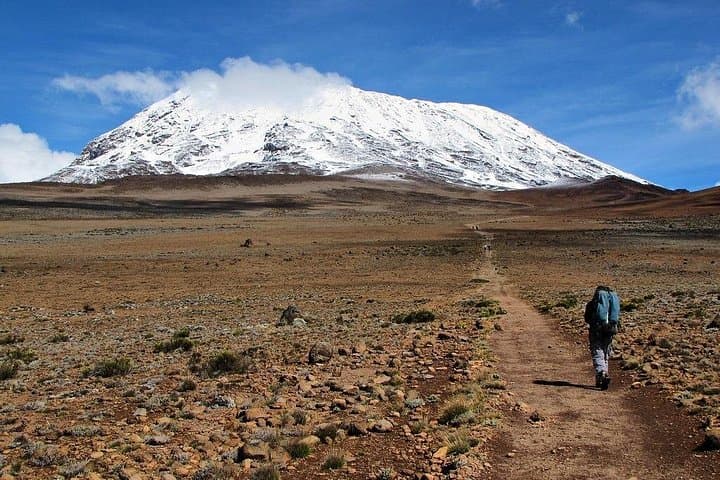
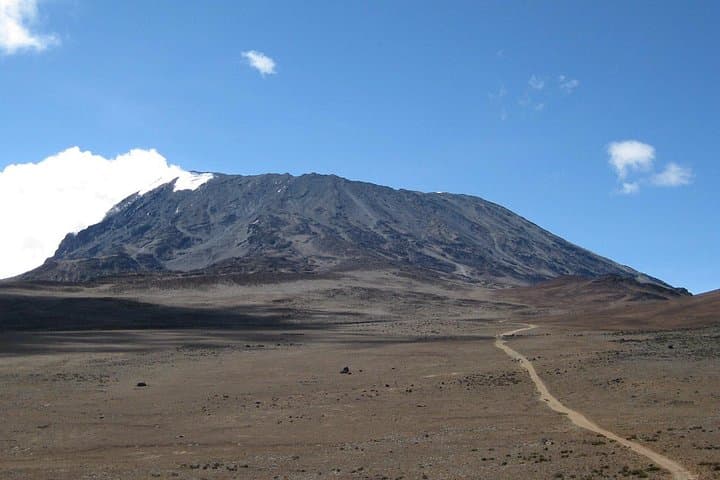
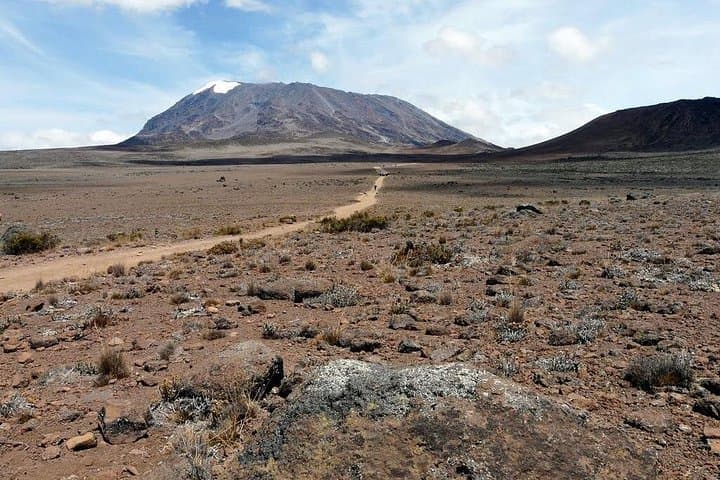
Night air over Moshi is still when the minivan drops you at Marangu Gate; headlamps flick on, guides knot packs, and the rainforest seems to lean closer as the trail swallows the first footsteps. The Marangu Route eases climbers into Kilimanjaro’s elevation bands—dense montane forest gives way to heath and moor, then the bald saddle below Kibo’s scarred rim—until the summit’s raw wind demands everything you’ve conserved.
Verified experiences and guided adventures in the surrounding area.
Operated by Mafie Adventures · Moshi, Kilimanjaro Region
Night air over Moshi is still when the minivan drops you at Marangu Gate; headlamps flick on, guides knot packs, and the rainforest seems to lean closer as the trail swallows the first footsteps. The Marangu Route eases climbers into Kilimanjaro’s elevation bands—dense montane forest gives way to heath and moor, then the bald saddle below Kibo’s scarred rim—until the summit’s raw wind demands everything you’ve conserved.
Historically the Marangu path became the classic route in the early 20th century and is known for its hut system, which changed how people attempted Africa’s highest peak. Geologically, Kibo is the dormant volcanic cone of Kilimanjaro; its glaciers and volcanic rock record Pleistocene ice ages and ongoing retreat. Culturally, the trail passes through the Chagga lands—villages ringed by terraced farms—and guides often share stories of early explorers like Hans Meyer and local mountain traditions.
Practical guidance: hike steady and slow to aid acclimatization—pacing beats speed. Expect single-file dirt track, rocky scree near Kibo, and long, cold summit hours starting around midnight. Carry layered insulation, a waterproof shell, high-calorie snacks, and a reliable headlamp. Hydrate deliberately; altitude suppresses thirst.
On hut nights you’ll sleep on mattresses in shared dorms; porters handle camp logistics but tip fairly. Summit day is long—12–15 hours—so plan rest before the ascent and set realistic turnaround expectations. Weather changes fast; plan clothing and contingency time. With preparation, Marangu rewards with accessible infrastructure and a direct route to Uhuru Peak.
No technical experience is required, but prior multi-day trekking experience and good cardiovascular fitness improve success and comfort.
Yes—this route uses simple mountain huts with mattresses; expect shared dorms, basic facilities, and cold nights at higher huts.
Guides use gradual ascent and rest; stay hydrated, ascend slowly, and report symptoms immediately—descent is the definitive treatment for AMS.
Standard packages include Kilimanjaro National Park fees, camping or hut accommodation per itinerary, meals as listed, porterage, and guide services—confirm details with the operator.
Mafie Adventures operates guided outdoor trips and adventures with an emphasis on safety, stewardship, and memorable experiences.
Night air over Moshi is still when the minivan drops you at Marangu Gate; headlamps flick on, guides knot packs, and the rainforest seems to lean closer as the trail swallows the first footsteps. The Marangu Route eases climbers into Kilimanjaro’s elevation bands—dense montane forest gives way to heath and moor, then the bald saddle below Kibo’s scarred rim—until the summit’s raw wind demands everything you’ve conserved.
Night air over Moshi is still when the minivan drops you at Marangu Gate; headlamps flick on, guides knot packs, and the rainforest seems to lean closer as the trail swallows the first footsteps. The Marangu Route eases climbers into Kilimanjaro’s elevation bands—dense montane forest gives way to heath and moor, then the bald saddle below Kibo’s scarred rim—until the summit’s raw wind demands everything you’ve conserved.
Historically the Marangu path became the classic route in the early 20th century and is known for its hut system, which changed how people attempted Africa’s highest peak. Geologically, Kibo is the dormant volcanic cone of Kilimanjaro; its glaciers and volcanic rock record Pleistocene ice ages and ongoing retreat. Culturally, the trail passes through the Chagga lands—villages ringed by terraced farms—and guides often share stories of early explorers like Hans Meyer and local mountain traditions.
Practical guidance: hike steady and slow to aid acclimatization—pacing beats speed. Expect single-file dirt track, rocky scree near Kibo, and long, cold summit hours starting around midnight. Carry layered insulation, a waterproof shell, high-calorie snacks, and a reliable headlamp. Hydrate deliberately; altitude suppresses thirst.
On hut nights you’ll sleep on mattresses in shared dorms; porters handle camp logistics but tip fairly. Summit day is long—12–15 hours—so plan rest before the ascent and set realistic turnaround expectations. Weather changes fast; plan clothing and contingency time. With preparation, Marangu rewards with accessible infrastructure and a direct route to Uhuru Peak.