THE ADVENTURE COLLECTIVE® · Independent discovery and booking for outdoor travel

A compact, hut‑based ascent of Kilimanjaro via the Marangu Route: five days of rainforest, moorland and a midnight summit push to Uhuru Peak. This guide explains terrain, timing, and practical planning to maximize your summit chances.
A compact, hut‑based ascent of Kilimanjaro via the Marangu Route: five days of rainforest, moorland and a midnight summit push to Uhuru Peak. This guide explains terrain, timing, and practical planning to maximize your summit chances.
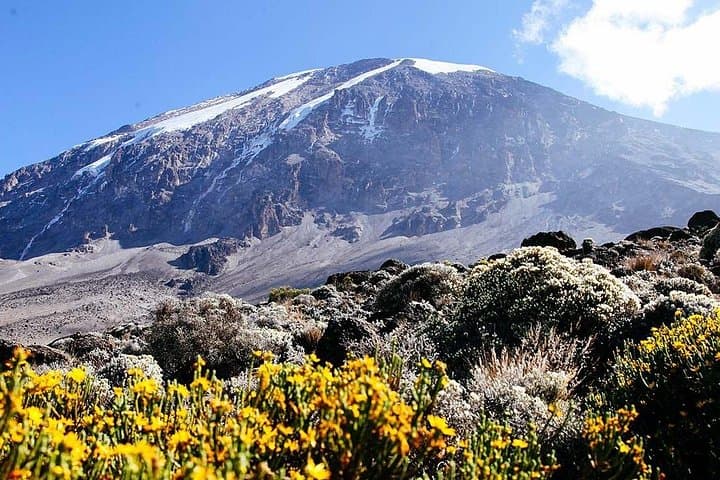
The headlamp shrinks the world to a pulsing cone of light as the team steps out into the night. Cold air bites at exposed faces and the silhouette of Kibo hovers ahead, a dark smudge with a white rim. On the Marangu Route, the summit is earned in stages: rainforest at the gate, heath and moor as you climb, a barren saddle, and the last thin, icy steps to Uhuru Peak. The mood is pragmatic—quiet, steady breathing and the slow crunch of boots—yet the horizon softens at dawn into a spectacle only mountains can produce.
Verified experiences and guided adventures in the surrounding area.
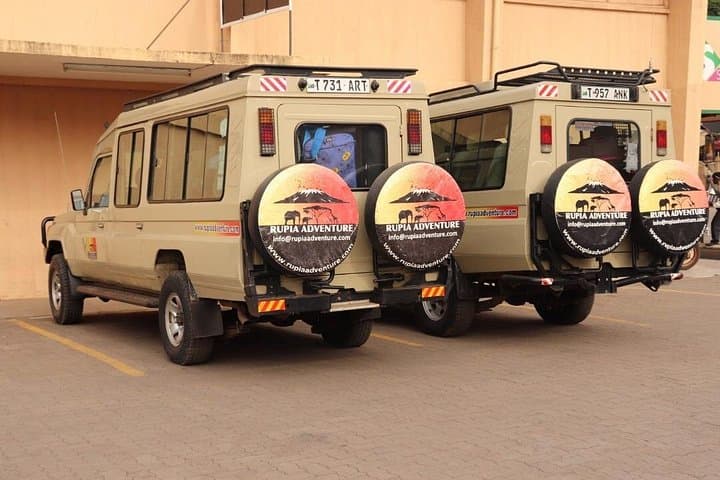
Operated by Rupia Adventure · Moshi, Kilimanjaro Region
The headlamp shrinks the world to a pulsing cone of light as the team steps out into the night. Cold air bites at exposed faces and the silhouette of Kibo hovers ahead, a dark smudge with a white rim. On the Marangu Route, the summit is earned in stages: rainforest at the gate, heath and moor as you climb, a barren saddle, and the last thin, icy steps to Uhuru Peak. The mood is pragmatic—quiet, steady breathing and the slow crunch of boots—yet the horizon softens at dawn into a spectacle only mountains can produce.
Marangu is the classic “Coca‑Cola” route: direct, well‑trodden and served with mountain huts rather than tents. Geologically, Kilimanjaro is a volcanic stratovolcano with three cones—Shira, Mawenzi and Kibo—the latter holding the summit and a shrinking pocket of equatorial glacier. Culturally, the trek crosses Chagga farmland and slopes long tended for coffee and banana cultivation; guides often share Chagga stories and the mountain’s central place in local identity.
Expect vertical math: from the Marangu Gate at ~1,860 m to Uhuru Peak at 5,895 m is ~4,035 m of elevation gain, spread across five days. Typical daily hiking ranges: Gate→Mandara Hut (1,860→2,700 m, ~4–6 hours), Mandara→Horombo (2,700→3,700 m, 4–6 hours), Horombo→Kibo (3,700→4,700 m, 5–7 hours), Kibo→Summit→Horombo (midnight start, 8–14 hours round trip), and Horombo→Gate descent (6–8 hours). Trails change from soft loam and root‑riddled rainforest to scree and hardpacked volcanic gravel on the saddle.
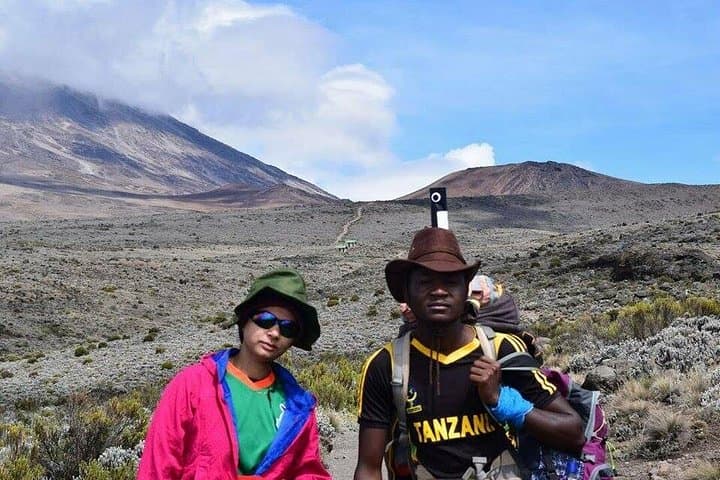
Practical edge: the Marangu huts give you a bed and hot meals—valuable comforts—but altitude remains the main challenge. Acclimatize deliberately, drink regularly, and keep your summit night pace slow. Porters handle a lot of the load; tip fairly and pack light for the hike segments. Weather moves fast: storms can push up from the plains or strip warmth at dawn; layer for wind, wet and cold.
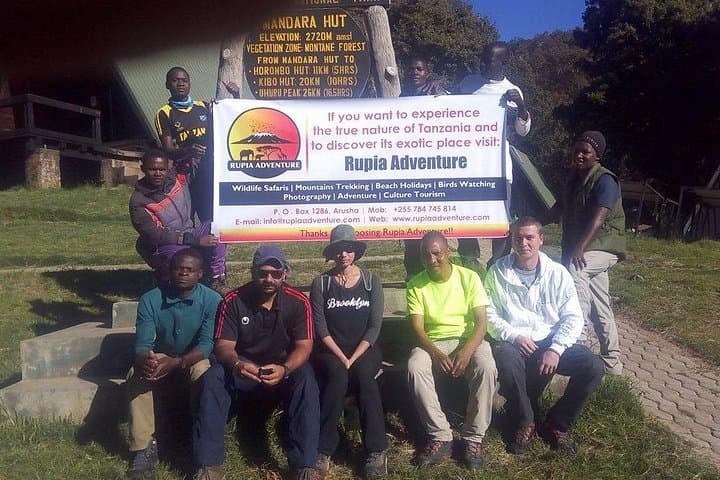
Rupia Adventure’s itinerary covers transfers, meals and huts, with gear rental available in Moshi. For planners: book the dry season windows (June–September or December–February) for the best summit odds, carry a basic altitude first‑aid kit, and allow a buffer day in Moshi before departure.
When you stand on the crater lip at sunrise, the clouds below will feel like an ocean and the world suddenly small—exactly the kind of clarity that draws climbers back to these slopes.
The summit night is the most demanding: expect 6–8 hours up from Kibo Hut and 6–8 hours total return; slow, steady pacing is critical.
Hut accommodation is standard on Marangu, but space and conditions vary—confirm with your operator and carry a lightweight liner.
Yes—Kilimanjaro National Park requires registered guides and they are essential for navigation, safety and altitude management.
Acclimatize gradually, stay hydrated, communicate symptoms to guides, and be prepared to descend if AMS signs develop.
Yes—many outfitters in Moshi rent boots, down jackets and sleeping liners; check fit and condition before departure.
June–September and December–February are the most reliable windows for good weather and clearer summit conditions.
Rupia Adventure operates guided outdoor trips and adventures with an emphasis on safety, stewardship, and memorable experiences.
The headlamp shrinks the world to a pulsing cone of light as the team steps out into the night. Cold air bites at exposed faces and the silhouette of Kibo hovers ahead, a dark smudge with a white rim. On the Marangu Route, the summit is earned in stages: rainforest at the gate, heath and moor as you climb, a barren saddle, and the last thin, icy steps to Uhuru Peak. The mood is pragmatic—quiet, steady breathing and the slow crunch of boots—yet the horizon softens at dawn into a spectacle only mountains can produce.
The headlamp shrinks the world to a pulsing cone of light as the team steps out into the night. Cold air bites at exposed faces and the silhouette of Kibo hovers ahead, a dark smudge with a white rim. On the Marangu Route, the summit is earned in stages: rainforest at the gate, heath and moor as you climb, a barren saddle, and the last thin, icy steps to Uhuru Peak. The mood is pragmatic—quiet, steady breathing and the slow crunch of boots—yet the horizon softens at dawn into a spectacle only mountains can produce.
Marangu is the classic “Coca‑Cola” route: direct, well‑trodden and served with mountain huts rather than tents. Geologically, Kilimanjaro is a volcanic stratovolcano with three cones—Shira, Mawenzi and Kibo—the latter holding the summit and a shrinking pocket of equatorial glacier. Culturally, the trek crosses Chagga farmland and slopes long tended for coffee and banana cultivation; guides often share Chagga stories and the mountain’s central place in local identity.
Expect vertical math: from the Marangu Gate at ~1,860 m to Uhuru Peak at 5,895 m is ~4,035 m of elevation gain, spread across five days. Typical daily hiking ranges: Gate→Mandara Hut (1,860→2,700 m, ~4–6 hours), Mandara→Horombo (2,700→3,700 m, 4–6 hours), Horombo→Kibo (3,700→4,700 m, 5–7 hours), Kibo→Summit→Horombo (midnight start, 8–14 hours round trip), and Horombo→Gate descent (6–8 hours). Trails change from soft loam and root‑riddled rainforest to scree and hardpacked volcanic gravel on the saddle.
Practical edge: the Marangu huts give you a bed and hot meals—valuable comforts—but altitude remains the main challenge. Acclimatize deliberately, drink regularly, and keep your summit night pace slow. Porters handle a lot of the load; tip fairly and pack light for the hike segments. Weather moves fast: storms can push up from the plains or strip warmth at dawn; layer for wind, wet and cold.
Rupia Adventure’s itinerary covers transfers, meals and huts, with gear rental available in Moshi. For planners: book the dry season windows (June–September or December–February) for the best summit odds, carry a basic altitude first‑aid kit, and allow a buffer day in Moshi before departure.
When you stand on the crater lip at sunrise, the clouds below will feel like an ocean and the world suddenly small—exactly the kind of clarity that draws climbers back to these slopes.